















Story Highlight
– Widow sues employer after husband’s electrocution incident.
– Blair Campbell died while pruning hedges in 2022.
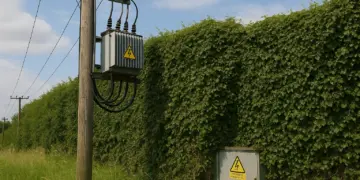
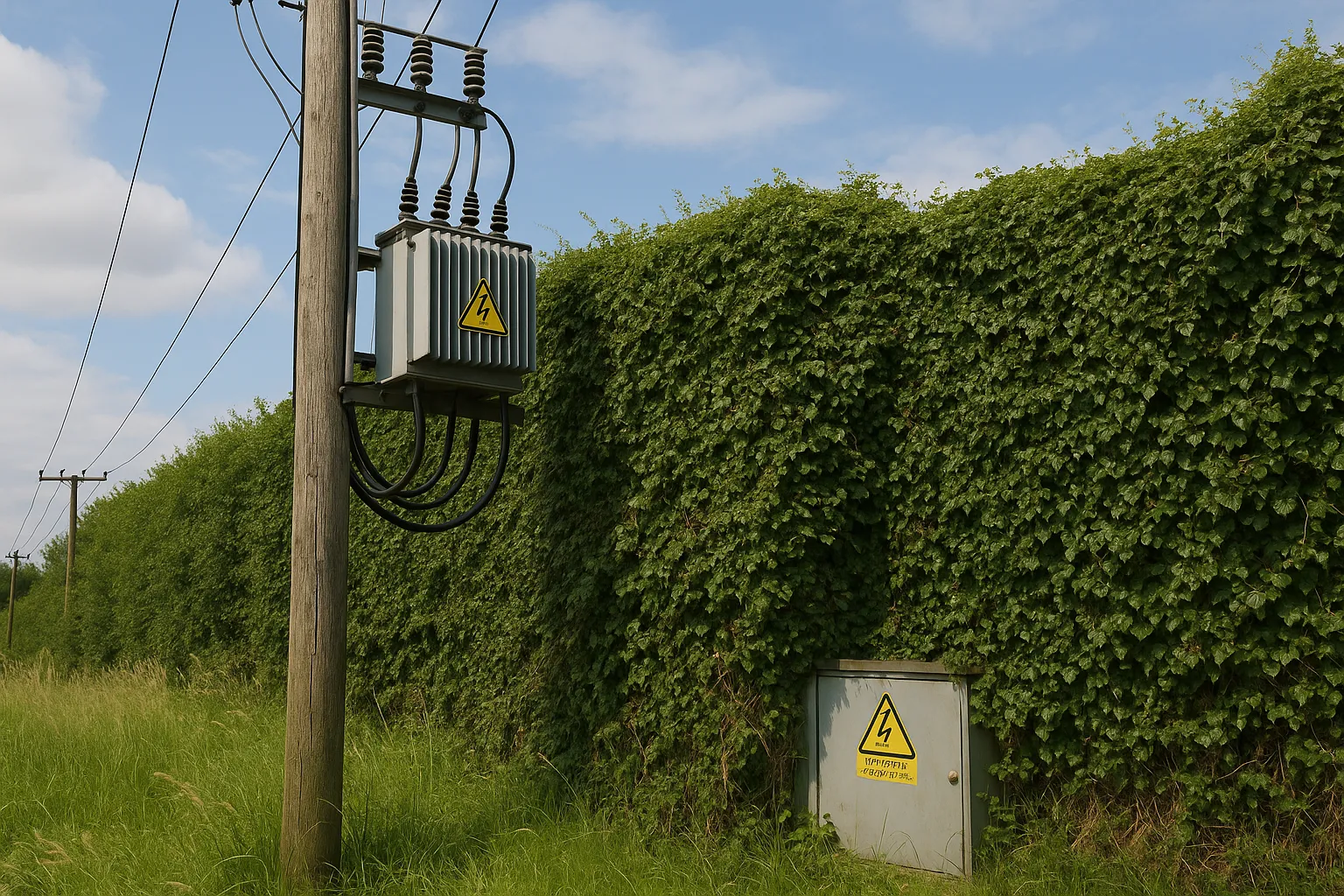
– Ivy-covered substation concealed warning signs from view.
– Legal claim cites multiple health and safety breaches.
– SP Manweb denies liability despite maintaining safety policies.
Full Story
A widow from Cheshire is pursuing legal action against a major electricity network provider following the tragic death of her husband, who was fatally injured while working as a landscape gardener. Blair Campbell, 35, was involved in a dreadful incident in October 2022, when he was electrocuted while tending to hedges at a residence in Mobberley, close to Wilmslow.
The incident occurred while Mr Campbell was attempting to prune an ivy-covered bush. Unbeknownst to him, he accidentally severed wires linked to a pole-mounted substation. Despite being airlifted to a hospital shortly after the accident, he succumbed to his injuries shortly thereafter. An inquest into his death revealed that warning signs indicating the presence of high-voltage electrical equipment had been concealed by the dense ivy, leaving Mr Campbell unaware of the dangers lurking beneath the foliage.
In the wake of this harrowing event, his widow, Tina Liu-Campbell, aged 42, has initiated High Court proceedings against SP Manweb PLC, the company responsible for the electricity distribution network involved in the incident. She described Blair as her “soul mate,” recounting their journey from their initial meeting in New Zealand to a life spent together in the UK. They had two children, and Tina spoke of the immense void left in their lives following her husband’s untimely death.
Tina reflected on the profound impact of her husband’s death, stating, “Our future together has been taken from me and the children, and it’s still incredibly difficult to come to terms with how suddenly everything changed.” She vividly recalled the moment she received the devastating news: “No one expects their husband to go to work and never come home.” The grief remains fresh, as she added, “Even now, I still wake up hoping it’s all been a terrible nightmare.”
Despite the tragedy, Tina is resolute in her quest for justice. She expressed her determination to ensure that the circumstances surrounding her husband’s death are thoroughly investigated, stating, “Taking this case to the High Court is something I never imagined I would have to do, but I feel I owe it to Blair and to our children to make sure what happened to him is fully understood.” Her goal is not only to seek justice for her family but also to prevent similar incidents from occurring in the future, saying, “All I want is clarity and justice, so steps can be taken to help prevent anything like this happening again.”
Legal representatives for Mrs Liu-Campbell have alleged that SP Manweb PLC breached several safety regulations at the site where Mr Campbell lost his life. Documents submitted to the court outline claims that the electricity provider failed to protect members of the public from the inherent dangers associated with high-voltage electricity equipment. Evidence presented during the inquest indicated that prior to Mr Campbell’s accident, there had been multiple reports highlighting the necessity of removing the ivy that obscured essential warning signs.
Furthermore, legal filings assert that SP Manweb PLC did not maintain the substation and surrounding area in a safe condition, allowing the ivy to flourish unchecked, which ultimately led to the lethal incident. It is also alleged that the firm neglected to ensure that the high-voltage wires were adequately insulated or protected, potentially contributing to the circumstances surrounding Mr Campbell’s death.
Steve Hill, a specialist workplace accident lawyer from Irwin Mitchell representing Tina, reiterated the family’s ongoing sorrow and the serious health and safety concerns revealed during the inquest. Hill stated, “Tina and her family remain devastated by Blair’s death and the circumstances surrounding it. The inquest heard worrying evidence regarding health and safety at the site which we believe played a key role in Blair’s unnecessary death. Despite this, SP Manweb PLC has denied liability.”
With the ongoing complexities of the legal process, Hill expressed a desire for resolution, asserting, “All Tina wants is for all lessons possible to be learned from what happened to improve health and safety for other workers. Despite the seriousness of this case, it’s regrettable that SP Manweb PLC has failed to resolve the claim amicably. Therefore, we call on the company to work with us to resolve this case as quickly as possible so that Tina and her family can try to start rebuilding their lives after this awful tragedy.”
In response to the legal action and the circumstances surrounding Mr Campbell’s death, a spokesperson for SP Energy Networks, the parent company of SP Manweb PLC, offered condolences to the family. However, due to the ongoing legal proceedings, they refrained from providing further comment.
As this case unfolds, it raises important questions about workplace safety and the responsibilities of utility companies to safeguard both their employees and the public. The Campbell family’s pursuit of justice not only seeks closure following a heartbreaking loss but may also catalyse changes in safety protocols that could potentially protect others from similar tragedies in the future.
Our Thoughts
The tragic death of Blair Campbell highlights several key areas for improvement in workplace safety. To prevent such incidents, SP Manweb PLC should have ensured regular maintenance of the substation area, particularly the removal of ivy that obscures critical warning signs, thereby violating Regulation 5 of the Health and Safety at Work Act 1974, which mandates maintaining safe working conditions.
Additionally, robust risk assessments should have been conducted, as outlined in the Management of Health and Safety at Work Regulations 1999, particularly concerning the proximity of public activities to high-voltage equipment. The failure to act on prior reports regarding the ivy indicates a breach of duty of care.
Furthermore, high-voltage wires should have been insulated and adequately protected to prevent electrocution, in accordance with the Electricity at Work Regulations 1989, which requires safety measures for the protection of workers.
In summary, a comprehensive safety audit, timely corrective actions, and adherence to existing health and safety regulations could have significantly mitigated the risks involved, potentially preventing this tragic incident.