
















Story Highlight
– Tom Scott features Tyne Tunnels’ safety system on YouTube.
– Video highlights unique fire suppression system in UK tunnels.
– 33 mist pumps act as an effective fire fighting system.
– Scott’s absence in January 2024 allowed new content creation.
– Video explains efficiency of mist-based fire control system.
Full Story
A prominent figure in the world of YouTube, Tom Scott, has recently provided his extensive audience—comprising over six million subscribers—with an inside look at the advanced safety mechanism that ensures the security of the Tyne Tunnels. Scott, who has garnered recognition as an educational content creator over the past decade, paused his usual content production in January 2024 to dedicate time to filming a series of new videos, one of which spotlights the innovative features of these critical transport links.
The Tyne Tunnels, a vital component of the region’s infrastructure, are equipped with a groundbreaking fire suppression system that holds the distinction of being the first of its kind installed in the United Kingdom. In his latest video, titled ‘The mist that keeps the Tyne Tunnels safe’, Scott showcases this state-of-the-art system, highlighting the collaborative efforts of the dedicated staff responsible for its operation and maintenance.
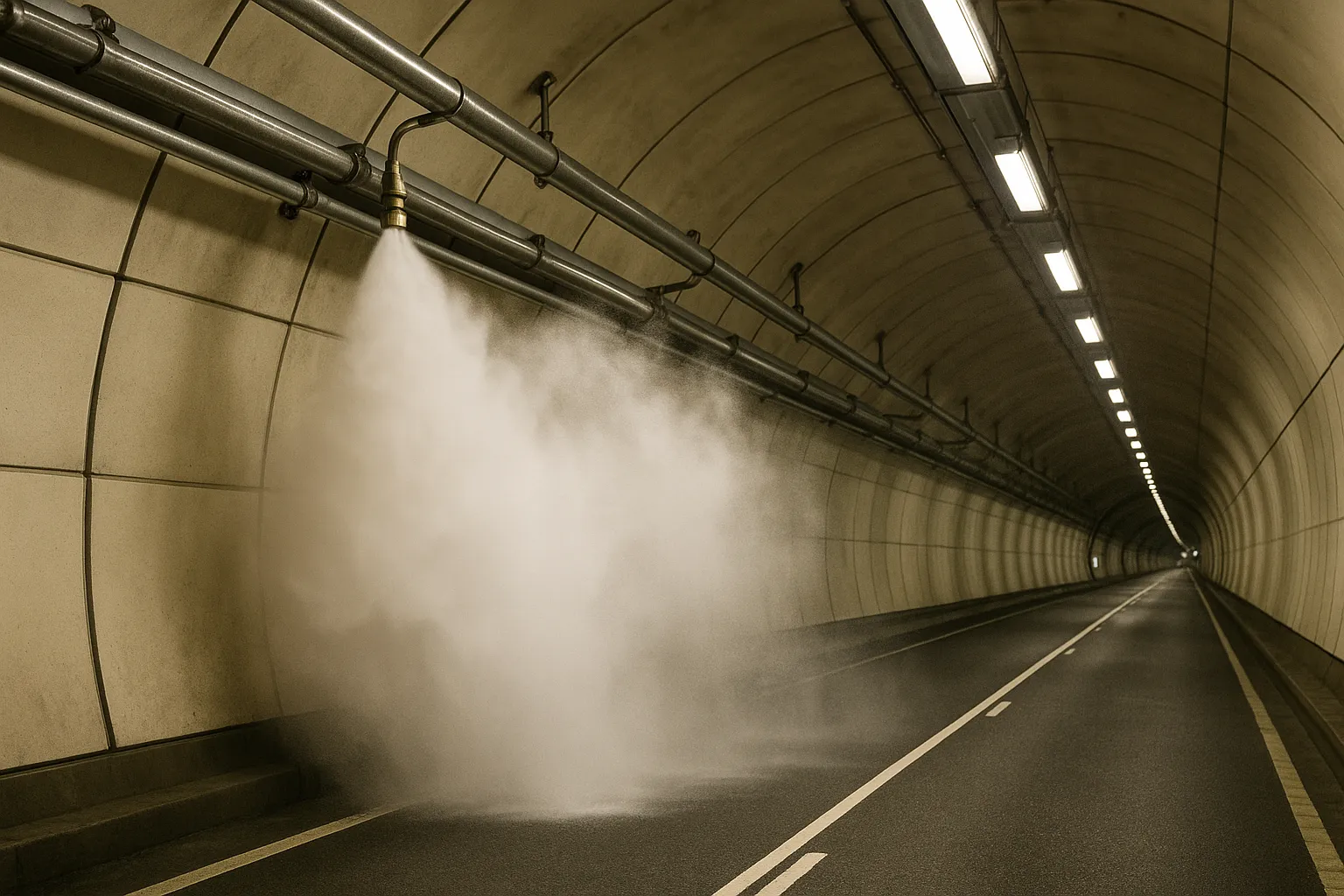
Central to the fire safety capabilities of the tunnels are 33 mist pumps strategically installed throughout the structure. These devices form a highly sophisticated mist-based firefighting system that activates in the event of a vehicle fire. When temperature sensors detect excessive heat, the pumps spring into action, discharging a fine mist that effectively suppresses flames and lowers ambient temperatures, thereby safeguarding both the tunnel infrastructure and the vehicles within.
In the video, viewers are given rare access to see this system in action. Scott explains not only how the mist system functions but also delves into the rationale behind its design and implementation. The innovative approach taken at the Tyne Tunnels demonstrates a significant shift towards modern safety solutions, which prioritise both reliability and effectiveness in emergency situations.
The video serves as an important educational tool, elucidating the complexities of safety systems that are often taken for granted by the general public. “It’s essential for the public to understand the efforts that go into maintaining safety on our roadways,” Scott remarks during his presentation. He emphasises that such systems not only protect individuals but also play a crucial role in the smooth operation of transport networks.
Scott’s return to the platform with this insightful piece highlights the intersection of technology and public safety, shedding light on practices that are pivotal yet rarely visible to daily commuters. The Tyne Tunnels are not just conduits for traffic; they represent a commitment to pioneering safety standards within the UK transport framework.
Local officials have expressed enthusiasm over the spotlight cast on the Tyne Tunnels through Scott’s video. Community leaders believe that increased awareness of the tunnels’ safety features could enhance public confidence in using these routes, especially amongst those who may have reservations about travelling through underground infrastructure.
In addition to the focus on the mist system, Scott’s video also touches upon other safety measures incorporated within the tunnels. Emergency protocols, personnel training, and routine maintenance are discussed in a manner that underscores the comprehensive nature of the safety infrastructure.
“Behind every safe journey, there are countless hours of planning and preparation,” noted Sarah Thompson, a safety engineer involved in the tunnel operations. “The filming of this video is a great opportunity for us to share our work and ensure that everyone understands how our systems are designed to work seamlessly together.”
Furthermore, Scott’s exploration of the Tyne Tunnels aligns with his broader objective to educate viewers about lesser-known aspects of engineering and technology that contribute to daily life. Utilizing his platform, he invites his audience into the world of contemporary engineering challenges and solutions, creating a narrative that both informs and engages.
As part of the video, Scott walks through the tunnel, illustrating the physical layout and operational capabilities of the fire suppression functions. His narrative is complemented by visuals that display the technology in situ, making the complex systems more relatable to his audience.
The Tyne Tunnels have become a case study in modern engineering prowess, directly addressing the need for safety in an era where infrastructural demands continue to grow. As urbanisation increases and the need for efficient transport grows, systems like those employed in the Tyne Tunnels provide a blueprint for future developments across the country.
As the video gains traction, there is hope among local authorities that it will not only educate but inspire further investment in safety features across other transport networks. Engaging with such innovative projects can lead to safer travel experiences for everyone, reinforcing the importance of prioritising public safety in infrastructure planning.
Tom Scott’s presentation of the Tyne Tunnels’ safety system is more than just a technological showcase; it’s a reminder of the commitments made by authorities to ensure that public infrastructure operates not only effectively but also safely. Through his engaging storytelling and commitment to education, Scott continues to shine a light on the hidden heroes of infrastructure, making complex topics accessible and interesting to all.
Our Thoughts
The demonstration of the Tyne Tunnels’ fire suppression system, while educational, raises concerns about the potential risks associated with publicly showcasing critical safety infrastructure. To avoid possible misuse or misunderstanding of such systems, it would be prudent to implement stricter guidelines regarding the filming of safety equipment in operation. Key safety lessons include the importance of maintaining confidentiality around emergency protocols and infrastructure to prevent them from being replicated or misused.
Relevant UK Health and Safety legislation, such as the Health and Safety at Work Act 1974, mandates employers to protect the health and safety of employees and the public. Publicly disclosing detailed operational methods could be seen as a breach of obligations to ensure both security and safety.
To prevent similar incidents, organisations should conduct risk assessments before allowing outside parties to film sensitive infrastructure, ensuring that the information shared does not compromise safety. Additionally, training for all personnel on communicating safety protocols without revealing operational details could enhance overall safety awareness.