
















Story Highlight
– TAC warns UK-India FTA could harm British farmers.
– India uses 118 pesticides banned in the UK.
– Environmental concerns raised about pesticide approval pressure.
– Weak border controls risk undermining food safety standards.
– Government claims imports must meet UK safety standards.
Full Story
The Trade and Agriculture Commission (TAC) has voiced concerns regarding the potential implications of the proposed free trade agreement (FTA) between the UK and India, particularly for British farmers. This advisory body, tasked with evaluating the agricultural effects of international trade agreements, highlights risks associated with competition from Indian agricultural practices and pesticide regulations that differ significantly from those in the UK.
In a request made by trade minister Douglas Alexander in July 2025, the TAC was asked to scrutinise whether the agreement would uphold the established UK standards related to environmental protection, animal welfare, and health. While the commission determined that the FTA would not legally compel the UK to relax its food or environmental standards, it articulated that the disparity in pesticide regulations between the two nations could exert pressure to adjust domestic standards in order to remain competitive.
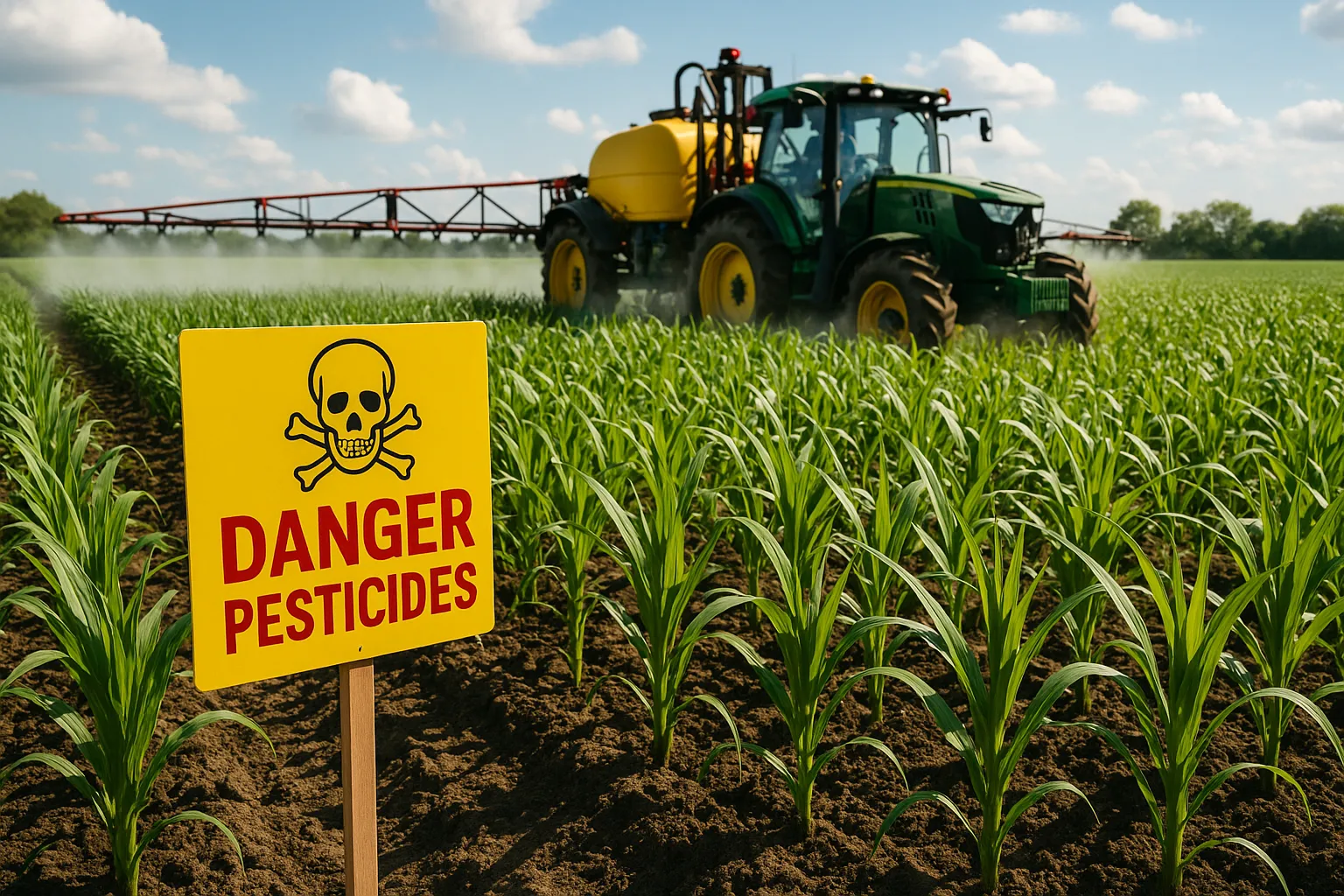
According to the TAC’s findings, India permits the use of 118 Highly Hazardous Pesticides (HHPs), which is notably 62% more than the UK, where 73 such substances are banned due to their harmful effects on biodiversity, particularly concerning bee populations and aquatic ecosystems, as well as risks to soil and water quality. Substances such as atrazine, chlorpyrifos, imidacloprid, acephate, and paraquat are among those prohibited within the UK due to their toxicity.
Although the TAC did not assess the direct human health implications of the FTA, it acknowledged the significant environmental risks tied to the agreement. Environmental advocacy groups, including Pesticides Action Network UK (PAN UK), have raised alarms that the FTA could indirectly pressure the UK into permitting the use or reapproval of pesticides currently banned domestically, thereby undermining the objectives outlined in the 25-Year Environment Plan and the UK Pesticides National Action Plan 2025.
Compounding these environmental concerns, the commission provided evidence indicating that up to 30% of pesticides utilised in India might be counterfeit or unlawful, further heightening the dangers associated with agricultural practices there. These cheaper production methods could endow Indian farmers with a competitive edge over their UK counterparts, who operate under stricter regulations.
Additionally, the potential for tariff liberalisation within the FTA may lead to increased imports of various agricultural products such as fruit, vegetables, and grains that are also produced within the UK. This situation raises the possibility of imported goods containing pesticide residues that are banned in the UK.
The report issued by the TAC also sheds light on the inadequacies of current border controls, warning that they could compromise the integrity of UK food and environmental standards. Moreover, World Trade Organisation (WTO) regulations limit the UK’s ability to block imports solely on grounds of environmental harm in producer countries.
Another aspect of the TAC report focuses on concerns regarding animal welfare standards within India’s dairy industry, where the use of antimicrobials is widespread and often poorly regulated. This could contribute to the growing problem of antimicrobial resistance (AMR), with potential repercussions for safety and welfare standards within the UK.
Liz Webster, the founder of the campaign group Save British Farming, expressed deep concern regarding the findings of the TAC, stating that the trade deal “opens the door to food produced with pesticides, antibiotics and welfare practices that would be illegal here.” She highlighted the risks for UK farmers, who may find themselves operating under unfair competitive conditions, while consumers could face what she described as “deregulation by stealth.”
In response to the report, a spokesperson for the UK government firmly rejected the implications of the TAC’s claims, asserting, “Where Indian products do not meet UK food safety standards, they aren’t eligible for import to the UK. The TAC advice is clear that nothing in the agreement undermines this.” The spokesperson further emphasised that imported goods must adhere to the same rigorous food safety standards as domestically produced items, underscoring the government’s position that the agreement will ultimately benefit UK workers and consumers without compromising existing safety protocols.


If imports can legally enter while not meeting the same pesticide standards that UK farmers must follow, that creates a real risk to both worker and public safety as well as to market fairness. Regulators need to be clear about how safety checks will be carried out at borders and what powers enforcement agencies will have to prevent non compliant products reaching the supply chain. Farmers and supply chain workers must be confident that their workplaces will not be undermined by lower standards elsewhere, and that any imported foods are subject to the same testing and traceability requirements. Robust surveillance, transparent reporting and prompt action on any breaches will be essential to protect health, maintain consumer trust and ensure a level playing field.
Farmers already operate on tight margins and any agreement that risks flooding the market with produce not meeting our standards will make maintaining safe practices harder. Enforcement at the border is crucial but only part of the picture — we also need robust surveillance and clear traceability so unsafe or counterfeit pesticides cannot undermine workplace safety and public health. If imports meet UK rules then they must be treated the same, but government must not rely on reassurances alone. Practical checks, stronger lab capacity and support for farmers to compete on quality are essential.
This highlights real risks for public health and worker safety. If imports contain pesticide residues that are illegal here we could see increased exposure for farm workers, food handlers and consumers. Border controls and testing need to be strengthened and resourced so that safety standards are enforced in practice not just on paper. Any trade agreement must ensure imports meet our regulations and that enforcement is adequate to protect health rather than create downward pressure on standards.
Appreciate the concerns raised. Any trade deal must not undermine our food safety or worker protection standards. If imports use substances banned here there is a real risk to farm workers and consumers unless enforcement at the border and supply chain verification are robust. Counterfeit or poorly labelled pesticides increase exposure risks for those handling crops and for inspectors. The government should set out clear, enforceable checks and transparent monitoring with contingency measures if standards are not met, and ensure funding and training for enforcement teams so standards on UK farms are not forced down by price competition.