







Story Highlight
– Jolly Rancher sweets recalled for containing MOAH.
– MOAH linked to potential health risks, including cancer.
– Hershey Company actively removing products from UK market.
– FSA advises immediate product withdrawal and recalls.
– Consumers urged to dispose of affected sweets safely.
Full Story
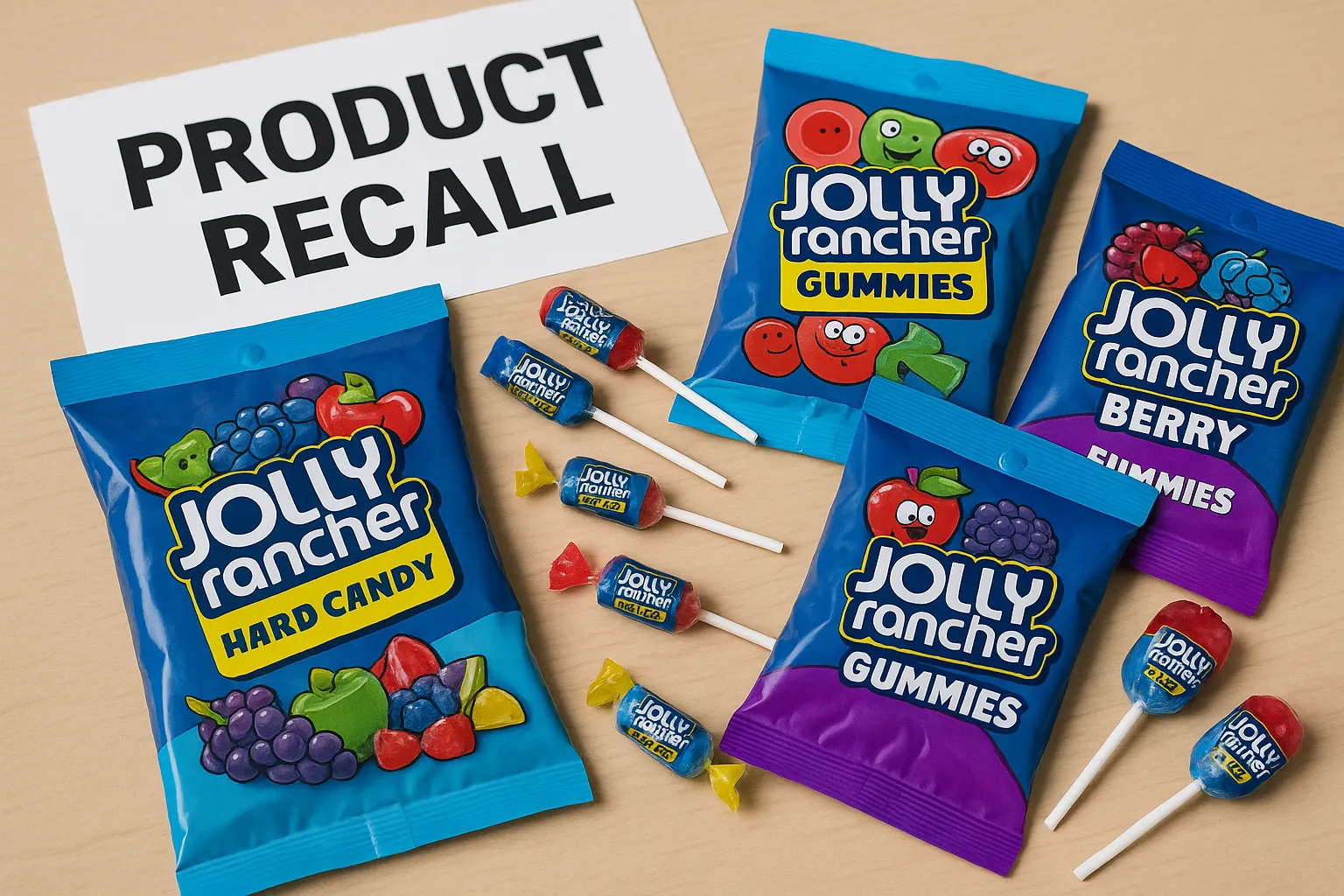
A significant recall has been initiated for a variety of sweets that have been identified as posing health risks due to unsafe contents. The Food Standards Agency (FSA) has raised concerns regarding specific products manufactured by The Hershey Company, notably various flavours of Jolly Rancher candies, which were found to contain Mineral Oil Aromatic Hydrocarbons (MOAH). This group of complex compounds, deriving from petroleum, poses potential health risks when ingested, particularly as they can leach into food through packaging materials, lubricants, or food processing aids.
In an official announcement made on Friday, the FSA advised businesses involved in the importation of these sweets to halt further distribution immediately. The agency recommended that UK retailers cease sales of the implicated products, undertake product withdrawals from store shelves, and initiate recalls where possible. Responding to the situation, The Hershey Company has been proactive in removing these items from the market in the UK.
The FSA has acknowledged the company’s efforts to cooperate with their guidelines and remove unsafe products. However, it highlighted concerns that despite Hershey’s withdrawal from the UK market and their commitment to enhancing food safety protocols, certain other vendors continue to supply these sweets. Consequently, the agency is urging enforcement authorities to take the necessary steps to eliminate these products from the consumer market to safeguard public health.
While there is no immediate alarm for consumers who have already consumed these sweets, the FSA noted, “the safety risk is low.” Nonetheless, it cautioned that MOAH is classified as a genotoxic carcinogen, implying that regular consumption could lead to greater risks over time.
A complete list of the affected Jolly Rancher products subject to the recall includes:
– Jolly Rancher Hard Candy (available in all flavours, pack sizes, batch codes, and best before dates)
– Jolly Rancher ‘Misfits’ Gummies (available in all flavours, pack sizes, batch codes, and best before dates)
– Jolly Rancher Hard Candy Fruity 2 in 1 (available in all flavours, pack sizes, batch codes, and best before dates)
– Jolly Rancher Berry Gummies (Berry flavour, all pack sizes, all batch codes, all best before dates)
– Jolly Rancher Filled Pops (available in all flavours, pack sizes, all batch codes, all best before dates)
– Jolly Rancher Freeze Dried Candy (in all flavours, all pack sizes, all batch codes, all best before dates)
The FSA is particularly concerned that the levels of MOAH in these sweets may still pose a health risk. According to their assessment, the risk is of particular concern for younger consumers or anyone who is likely to consume these products in large quantities or on a regular basis. The impact of MOAH on health, as the agency explains, is significant. “MOAH can damage DNA and increase the risk of malignant diseases, particularly when consumed frequently or in large amounts over time,” the agency cautioned.
To protect the public, the FSA has called on local enforcement agencies to ensure that businesses that might have received the hazardous products should take immediate action to withdraw these from sale. They have also alerted local authorities to keep the FSA informed regarding any steps taken concerning the recall and withdrawal of these products.
Consumers who may have purchased affected Jolly Rancher products are strongly advised against consuming them. Instead, they should dispose of any remaining stock at home safely. Those with concerns regarding the recall are encouraged to contact their local Trading Standards or Environmental Health departments for more information or guidance.
In addition to addressing this specific issue, the FSA provided insights into the processes behind product recalls and withdrawals. When a food product is flagged as unsafe for consumption, it can be ‘withdrawn’ from shelves or ‘recalled,’ which involves requesting customers to return any purchased items. The agency issues Product Recall Information Notices to inform both the public and local authorities of these food safety issues. In some instances, a ‘Food Alert for Action’ may be issued to give local authorities clear instructions for the necessary consumer protection actions to take.
As this recall process unfolds, the FSA remains committed to ensuring the safety of foods available to consumers and will continue to collaborate with food businesses to maintain the highest standards of product safety.
Our Thoughts
To avoid the incident involving contaminated Jolly Rancher products, stronger regulatory compliance measures should have been implemented by The Hershey Company and their distributors. This includes adhering to the Food Safety Act 1990, which mandates that food products must be safe for human consumption. Additionally, effective Hazard Analysis Critical Control Point (HACCP) systems should be in place to identify potential contamination risks, particularly from packaging materials.
Key safety lessons include the importance of rigorous supplier assessments and regular audits to ensure that packaging and processing aids do not introduce harmful substances like Mineral Oil Aromatic Hydrocarbons (MOAH) into food products. Implementing stricter quality control measures and better traceability in the supply chain can help in identifying and addressing issues promptly.
The continuous importation of these products by other businesses despite the known risks indicates a failure to comply with the General Food Law Regulation (EC) 178/2002, which prohibits placing unsafe food on the market. Preventive measures should focus on enhancing monitoring and enforcement of food safety regulations to deter similar incidents in the future.