













Story Highlight
– Captain Philip Muldowney died during a training exercise.
– He suffered a gunshot wound to the shoulder.
– CPR was performed, but he was pronounced dead.
– Multiple agencies are investigating the incident.
– Muldowney was an enthusiastic officer in the Royal Artillery.
Full Story
An inquest has been opened following the death of Captain Philip Gilbert Muldowney, aged 25, who tragically lost his life during a training exercise at the Otterburn Training Area in Northumberland, one of the largest military training facilities in the UK. The inquest was initiated at Northumberland Coroner’s Court on Thursday, with Senior Coroner Andrew Hetherington presiding over the proceedings.
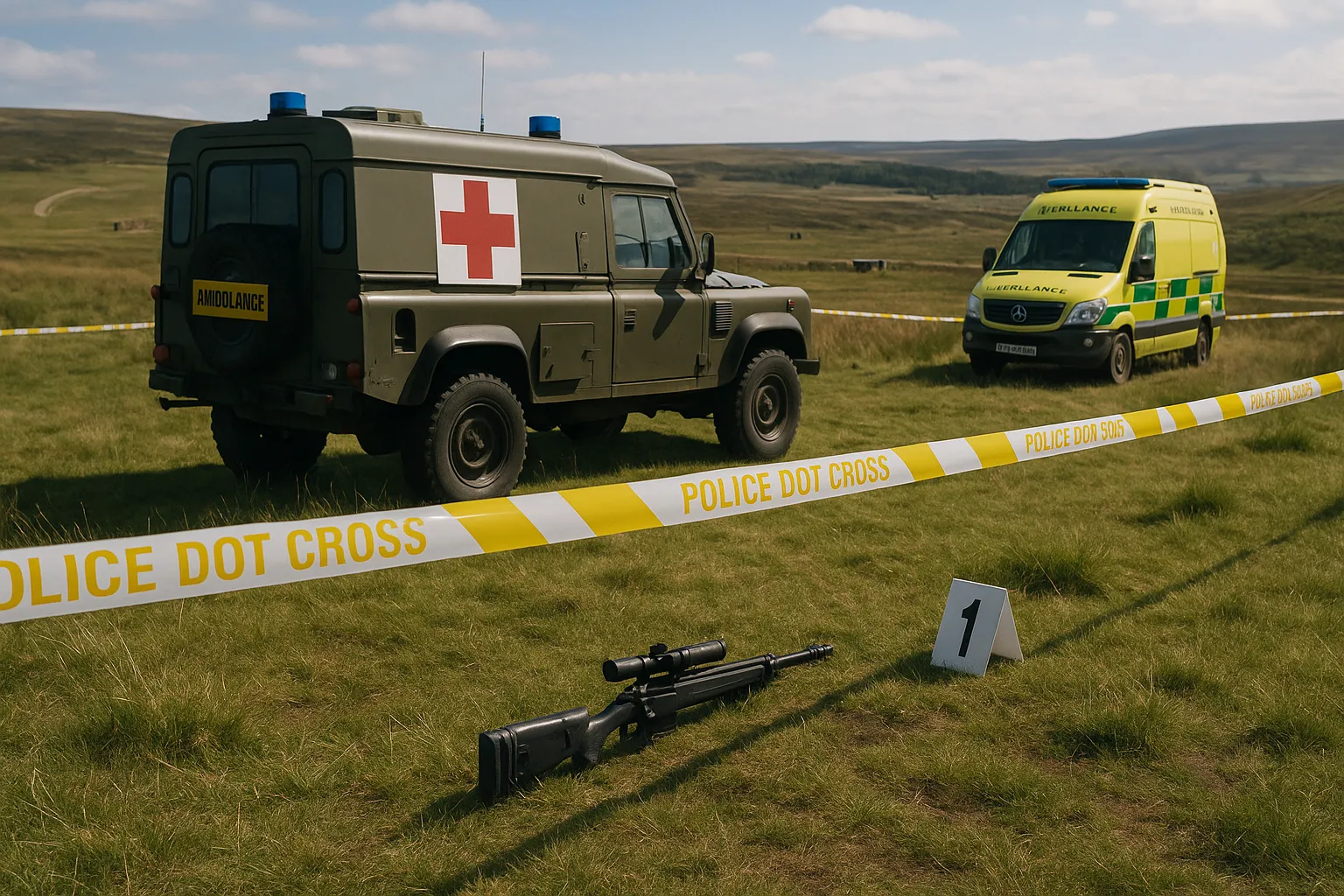
During the hearing, Coroner Hetherington presented details surrounding the incident that occurred on January 25. Known to many as Gilbert, Captain Muldowney was engaged in a training operation at the Otterburn Camp when he sustained a gunshot wound. The coroner reported that the injury appeared to have entered through the captain’s back and exited via his left shoulder.
Military medics at the scene provided immediate resuscitation efforts, and ambulance services were also summoned. Despite these interventions, it was determined that Captain Muldowney had sadly passed away at the site of the incident.
Investigations into the circumstances surrounding the shooting are now ongoing, with multiple agencies including Northumbria Police, the Health and Safety Executive, and the Defence Safety Authority involved in the inquiry process. These organisations are collaborating to ascertain the details of the incident and ensure appropriate measures are taken moving forward.
Coroner Hetherington indicated that although the inquest officially opened, it would be adjourned until May 19, 2027, emphasizing that this date was provisional and subject to change as further developments arise. Attending the hearing via videolink were Captain Muldowney’s parents, who have been deeply affected by the loss of their son.
Born in Co Roscommon, Ireland, Captain Muldowney served as a fire support commander with 129 (Dragon) Battery, part of the 4th Regiment Royal Artillery. His career in the army began on January 5, 2020, and after completing his training at the prestigious Royal Military Academy Sandhurst, he was commissioned into the Royal Artillery on December 11 of the same year.
In the wake of his passing, the Ministry of Defence released a statement acknowledging Captain Muldowney’s enthusiasm and dedication as an officer. A spokesperson described him as an “immensely enthusiastic officer who embraced life with a vigour that inspired those around him,” highlighting the impact he had on his colleagues and the wider military community.
The incidents at training facilities, particularly involving live weapons, have garnered attention and prompted discussions within the military and among safety regulators. Such events not only raise questions about safety protocols but also the emotional toll on service personnel involved in training exercises.
Experts familiar with military training environments have stressed the importance of rigorous safety measures to prevent similar tragedies. The complexities inherent in live-fire training exercises necessitate thorough adherence to protocols, and ongoing inquiries may influence how practices are implemented in the future.
Local communities often express concern when incidents occur on training grounds, particularly with regards to the impact on the personnel involved and their families. Many residents of Northumberland are aware of the significance of the Otterburn Training Area for military operations, yet they also recognise the precarious nature of the environment for those undergoing training.
In reflecting on Captain Muldowney’s legacy, friends and colleagues have recalled not only his commitment to duty but also his approachability and enthusiasm, which encouraged camaraderie among his peers. He is remembered for his ability to uplift those around him, and his tragic death has left a profound void within his unit and the local community.
As the investigation continues, it is essential that representatives from the various agencies collaborate to ensure a comprehensive analysis of the incident. This will be crucial in determining any necessary changes to training protocols that can enhance safety and potentially prevent future occurrences.
The inquest’s adjournment until May 2027 allows for a thorough examination of the circumstances surrounding Captain Muldowney’s death, while his family and friends await answers about the tragic incident. In the meantime, the military community continues to mourn the loss of a promising officer who dedicated his life to serving his country.
Ultimately, the case of Captain Muldowney serves as a stark reminder of the risks faced by those in military training and the ongoing need for vigilance in maintaining safety standards. As investigations proceed, there is hope that lessons learned will lead to improvements that safeguard the lives of service members during their essential training activities.
Our Thoughts
To prevent the tragic incident involving Captain Philip Gilbert Muldowney, several measures could have been implemented in line with UK health and safety regulations.
Firstly, a comprehensive risk assessment should have been conducted prior to the training exercise, as outlined by the Management of Health and Safety at Work Regulations 1999. This would involve identifying potential hazards associated with the use of firearms in training scenarios and implementing appropriate control measures to mitigate these risks.
Additionally, ensuring that all personnel involved in the exercise received adequate training and were fully aware of safety protocols concerning weapon handling could have been crucial. The Health and Safety at Work Act 1974 mandates that employers must provide a safe working environment, which includes training on safe practices.
Moreover, regular safety audits and drills related to the use of firearms and emergency response could enhance preparedness for such incidents. The implementation of stringent supervision and adherence to safety guidelines during live exercises is essential and would align with the UK’s Ministry of Defence’s own safety standards.
These actions might have contributed to preventing the accident or reducing its severity, highlighting the importance of rigorous safety procedures in military training environments.