















Story Highlight
– HMP Dartmoor closed due to dangerous radon gas levels.
– Over 750 former inmates suing for compensation over exposure.
– Government still pays £4m annually for unusable prison.
– Health and Safety Executive investigating prison’s radon response.
– Evacuations led to chaotic prisoner movements and decision-making.
Full Story
In a troubling development for HMP Dartmoor, a prison located within the Duchy of Cornwall, serious safety concerns have emerged due to hazardous levels of radon gas. This naturally occurring radioactive substance, linked to heightened risks of lung cancer, prompted an urgent response from prison authorities in late 2023, with significant implications for inmates and staff alike.
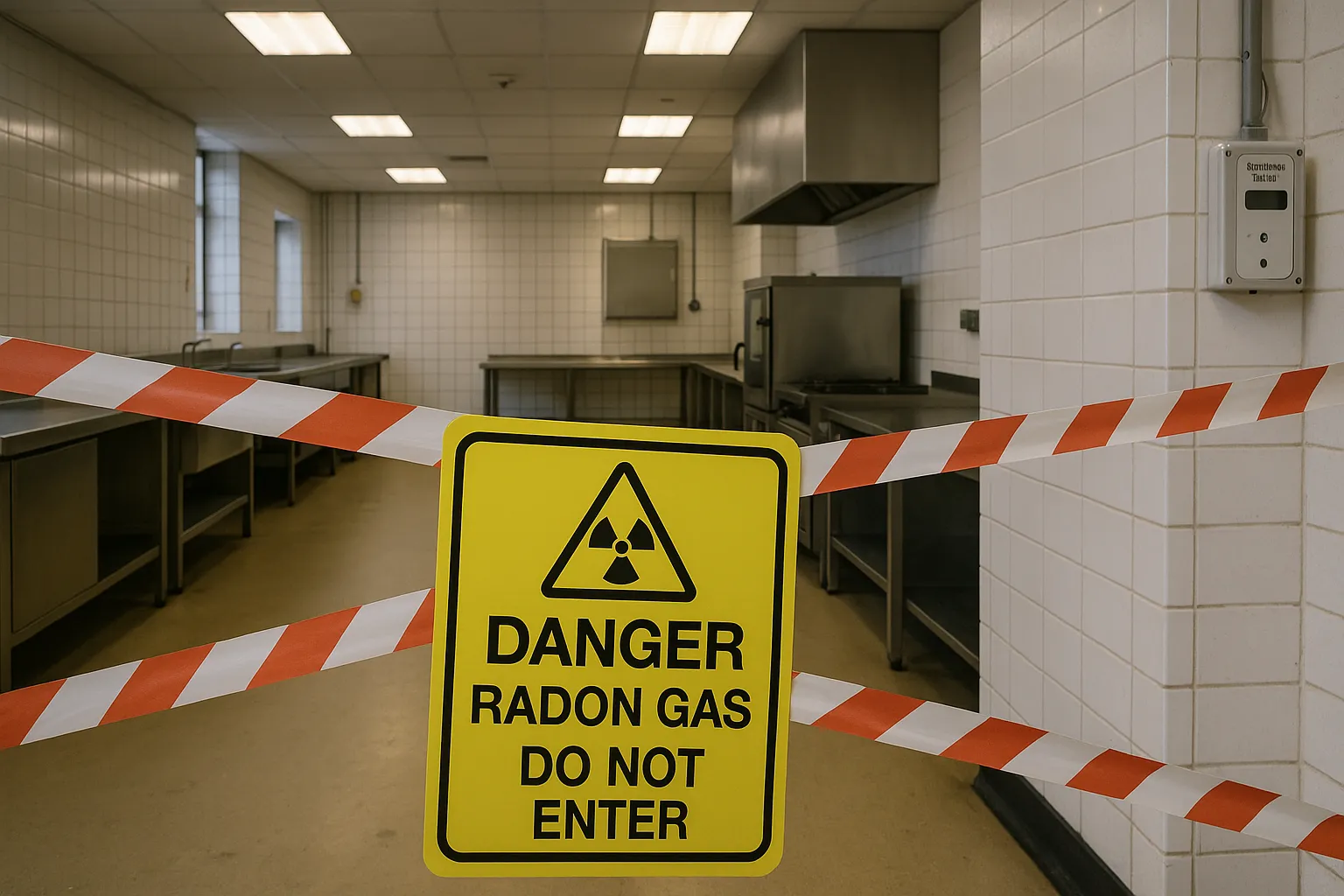
The alarming situation was first signalled by the installation of bold neon signs stating “Do Not Enter” across various parts of the prison, indicating a serious health risk associated with radon exposure. Although staff initially assured inmates that the situation could be controlled, the reality soon unfolded as monitoring devices were installed in individual cells and common areas like the kitchen. Adam, a former inmate, noted his surprise and concern as he witnessed these measures being put into effect. By December 2023, the situation escalated when dozens of prisoners from F wing, a section housing vulnerable individuals, were hastily relocated. What followed was a drastic reduction in the prison population, plummeting from approximately 650 inmates to just over 100 by August 2024 as the government intervened due to alarming radon levels.
Adam relocated to Stafford in January 2024 and subsequently received a letter from His Majesty’s Prison and Probation Service (HMPPS), which revealed that he had been subjected to exposure levels five times the annual safety limit for radon. Within this correspondence, the potential health implications were starkly outlined, with warnings of symptoms that could include weight loss and respiratory issues involving blood-tinged phlegm.
Frustration and anger reverberate through a population of around 750 former inmates and staff who have launched a collective legal action against the Ministry of Justice (MoJ). They are seeking compensation amounting to £60,000 each, asserting that they were knowingly placed in harm’s way. Among those partaking in the lawsuit is a former NHS professional whose fertility has suffered unexplained declines thought to be connected to his exposure at Dartmoor. Others include a seasoned prison officer, disillusioned after years of service due to a perceived lack of transparency from HMPPS regarding radon risks.
Indeed, many former prisoners express deep resentment over being incarcerated in a facility that was allegedly known to pose health hazards. Documents reveal that the prison, built on granite bedrock that can naturally emit radon gas, has faced health scrutiny since readings in 2020 indicated dangerously high levels. As a historic site, HMP Dartmoor has drawn scrutiny from health and safety regulators, leading the Health and Safety Executive (HSE) to initiate a criminal investigation into the decision-making processes of the prison’s leadership during the radon crisis.
Mladen Kesar, the solicitor spearheading the legal action, underscored the chilling irresponsibility displayed by the authorities. “This is about putting humans in a dangerous situation where the public authority knew it was dangerous and didn’t care whether that had any health consequences,” he remarked. The litigation is expected to reveal glaring failures within the MoJ’s management of the environmental hazards, with claims indicating that overcrowding pressures led to reckless decisions.
Despite the health risks posed, the government is currently expending approximately £4 million annually on the prison, a decision that has raised eyebrows given the ongoing lease obligations since a £100 million agreement was struck in 2022. As part of this arrangement, taxpayers are additionally responsible for £68 million in necessary upgrades, alongside £1.2 million dedicated specifically to mitigating radon exposure. The lease allows the MoJ an exit option after December 2033, following five years’ notice.
Sir Geoffrey Clifton-Brown, chair of the public accounts committee, emphasised the governmental oversight, stating that the evacuation of inmates did not occur until the health watchdog intervened, enforcing health and safety regulations that had been unheeded for too long. Currently, investigations extend to 42 other facilities across the prison estate, with heightened scrutiny on 15 additional prisons.
Within the grounds of Dartmoor, former staff members have recounted feelings of unease and inadequate communication regarding the radon situation. One NHS worker recalled learning about the gas only when detectors were being installed in early 2024. He described a meeting where management downplayed the risks, labelling exposure as “minimal,” a reassurance now contradicted by subsequent findings.
The evacuation process has been characterised as disorganised, with various wings closed at different times while staff and prisoners were moved in and out in rapid succession, leading to user frustration. Mark McKay, a former officer who dedicated nearly a decade to HMP Dartmoor, described the breakdown of trust with HMPPS as “irretrievable,” criticising the handling of safety protocols and risk assessment.
Concerns surrounding medical implications continue to escalate among former inmates, with fears unconfined to just immediate health effects. Kieran, a former prisoner, expressed his anxiety about long-term implications from radon exposure, citing significant respiratory issues he experienced during his time in custody. Reports from multiple individuals indicate that many have been left without adequate information regarding the health implications of their exposure.
As the situation remains dynamic, prisons minister James Timpson informed Parliament that a decision regarding the future of HMP Dartmoor has yet to be formed. Meanwhile, security at the now largely unoccupied facility has been transitioned to private contractors, signalling a dramatic shift in operations as the ramifications of the crisis continue to unfold. The HMPPS is dedicated to reassessing the safety and feasibility of the prison site, while navigating ongoing investigations that could lead to significant consequences for those accountable for the oversight of inmate safety and wellbeing.
Our Thoughts
The situation at HMP Dartmoor illustrates several critical failures in health and safety practices, particularly concerning the management of radon exposure, which contravenes UK legislation such as the Ionising Radiations Regulations 2017 and the Health and Safety at Work Act 1974. To prevent such incidents, regular and thorough assessments of radon levels should have been conducted and communicated transparently to both staff and inmates. This includes adhering to the recommended action levels specified by Public Health England for radon gas, requiring immediate evacuation and remediation when thresholds are exceeded.
Training and awareness programs would have equipped staff with essential knowledge about radon risks, ensuring prompt reporting and action when unsafe levels were detected. The perceived “minimal exposure” narrative undermined the seriousness of the situation, leading to prolonged risk to health for both staff and inmates. Moreover, timely evacuation and effective risk management strategies should have been prioritised as soon as high readings were identified, rather than delaying action until required by external authorities. This negligence may invoke legal consequences for the Ministry of Justice as investigations by the Health and Safety Executive proceed. Future protocols must prioritize health and safety, focusing on prevention and swift action in response to environmental hazards.