















Story Highlight
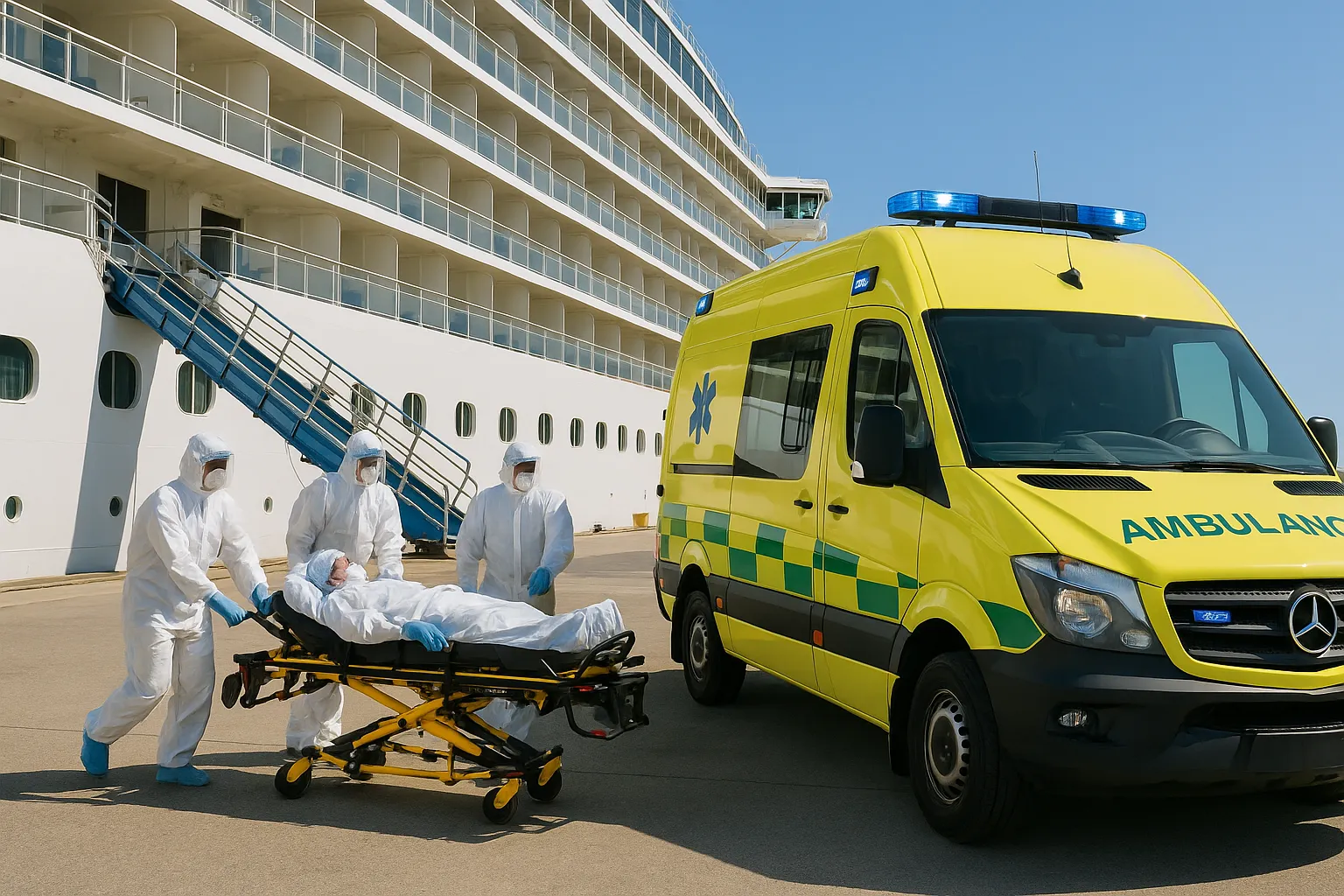
– Three suspected hantavirus cases evacuated from a ship.
– Patients en route to medical care in the Netherlands.
– Coordination with WHO and multiple national authorities.
– Involves ship operator and countries like Cabo Verde.
– Dr. Tedros Adhanom Ghebreyesus shared the update on X.
Full Story
Dr. Tedros Adhanom Ghebreyesus, the Director-General of the World Health Organization (WHO), recently shared an update regarding a concerning health situation on a ship carrying three individuals suspected of having contracted hantavirus. In a post on the social media platform X, he outlined that efforts were being coordinated to ensure the safe medical evacuation of these patients to the Netherlands.
The WHO is working hand in hand with the ship’s operator and relevant national authorities from various countries, including Cabo Verde, the UK, Spain, and the Netherlands, to facilitate the transfer of these individuals to healthcare facilities. The rapid response reflects a collective commitment to addressing potential health risks and ensuring the well-being of both passengers and crew members aboard the vessel.
Hantavirus is a viral infection typically associated with rodent exposure, leading to severe respiratory issues and can even result in hantavirus pulmonary syndrome (HPS), a potentially fatal condition. The symptoms of hantavirus infection can initially resemble those of influenza, including fever, muscle aches, and fatigue, but can progress to serious respiratory distress.
This particular incident has raised alarms as the disease, although relatively rare, can pose significant health risks when not promptly addressed. Dr. Ghebreyesus emphasized the importance of swift medical attention and surveillance in such cases to prevent any outbreak or spread of the virus.
Authorities are currently monitoring the situation closely, ensuring that appropriate health protocols are in place both on the ship and during the patients’ transfer. The collaboration among nations is crucial in managing international health security, particularly given the ease of global travel and shipping which can facilitate the rapid movement of diseases.
In light of this incident, experts have reiterated the need for heightened awareness of vector-borne diseases, particularly as many countries continue to navigate the complexities presented by public health threats in a post-pandemic world. Keeping lines of communication open among health agencies and coordinating response efforts is vital to managing such health challenges efficiently.
Hantavirus incidents serve as a critical reminder of the interconnectedness of global health. Although cases are infrequent in many regions, the potential for outbreaks still exists, especially in areas where environmental factors might favour an increase in rodent populations, which are natural carriers of the virus.
As the situation evolves, health officials are focusing not only on the immediate needs of the suspected cases but also on preventive measures to educate the public about reducing the risk of hantavirus exposure. Environmental modifications, such as improving sanitation and sealing potential rodent entry points, are recommended strategies.
With global health bodies actively involved, the next steps involve thorough investigations to confirm the presence of the virus among the patients and to ascertain if there are any further implications for public health. The coordinated response to this incident underscores the importance of readiness and preparedness among health authorities worldwide.
As countries come together to tackle public health crises, local communities are encouraged to remain vigilant and informed. Measures such as avoiding areas with known rodent infestations and practicing good hygiene when handling potential carriers of the disease can be effective preventive strategies.
The WHO’s ongoing monitoring and mobilization of resources in response to this incident highlight a commitment to global health security. By leveraging international cooperation, health officials aim to mitigate risks and ensure that any potential threats to public health are effectively addressed.
In summary, the evacuation of these suspected hantavirus patients illustrates the importance of rapid health response in an interconnected world. With continued monitoring, collaboration among health agencies, and a proactive approach towards prevention, the risks posed by such infectious diseases can be adeptly managed. The situation not only reinforces the significance of global health partnerships but also serves as a call to action for communities and individuals to remain informed and prepared.
Our Thoughts
The incident involving suspected hantavirus cases on a ship highlights several potential areas for improvement in health and safety protocols. Firstly, adequate risk assessments should have been conducted prior to departure, considering the potential for infectious diseases, particularly in regions where such risks are known. The Health and Safety at Work Act 1974 emphasizes the duty of care employers have towards their employees and others who may be affected by their activities.
Implementing stringent health screening measures for passengers and crew before boarding could have mitigated the risk of infectious disease transmission. Additionally, ensuring up-to-date training in disease outbreak response for onboard medical personnel is crucial.
The Control of Substances Hazardous to Health Regulations 2002 (COSHH) mandates the assessment and control of risks from hazardous substances, which may apply in this context. If hygiene and sanitation protocols were insufficient, this could represent a breach of regulatory requirements.
To prevent similar incidents in the future, regular health and safety audits on ships, improved emergency response plans, and enhanced communication with health authorities should be established.