
















Story Highlight
– New mine in Vares opened, sparking economic growth.
– Blood tests show elevated lead levels in 300 residents.
– Environmental agencies filed criminal charges against mining company.
– Health concerns raised over long-term lead exposure effects.
– Residents demand accountability and answers from authorities.
Full Story
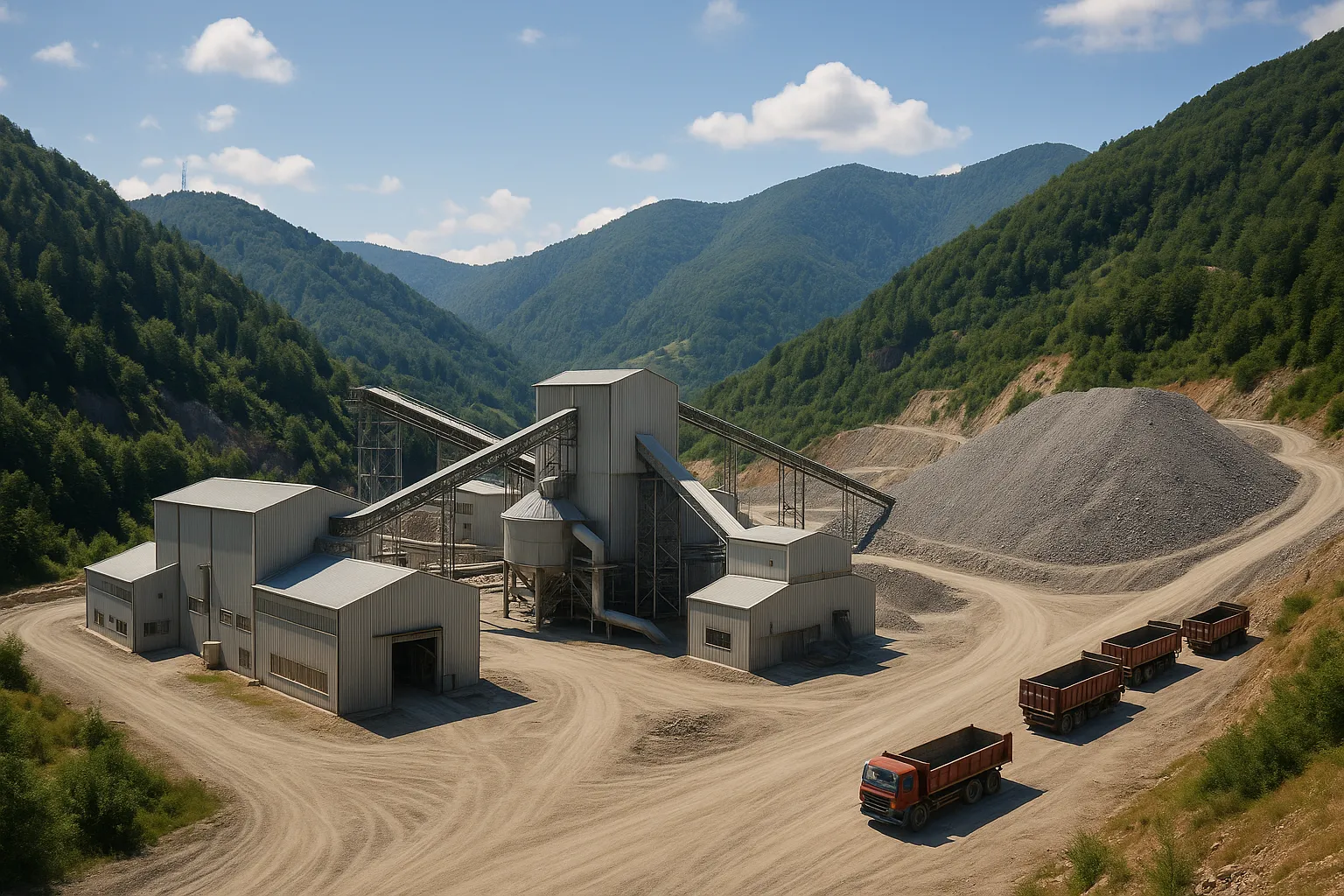
A silver, lead, and barite mine that opened in Vares, a small town nestled in the mountainous region of central Bosnia, has raised hopes for economic revitalisation since its inception in 2024. The mine’s establishment was welcomed with the construction of new infrastructures such as roads and housing, alongside an uptick in the local economy, as cafes and restaurants began to thrive. The influx of workers and new residents transiently reversed the town’s waning population trends. However, recent developments have cast a shadow over this optimism. Tests conducted on residents living in proximity to the mine have revealed elevated levels of lead exposure in over 300 individuals, raising health concerns and putting the community’s future at risk.
On Wednesday, four Bosnian environmental agencies took significant action by filing criminal charges against Dundee Precious Metals (DPM), the Canadian mining firm that assumed control of the mine after acquiring it from UK-based Adriatic Metals in September. Miroslav Pejcinovic, president of Opstanak (Survival) Vares and one of the agencies involved, expressed urgency, stating, “We think that the situation is ripe to declare an emergency situation. Somebody needs to take responsibility.” Although DPM has contested its liability, the company has acknowledged the health issues in the area.
In December, DPM committed to covering the costs for blood tests after local residents raised concerns over their health. Initially, the request for testing stemmed from an offer made by the mine’s previous owners, rather than any specific health threats observed within the community. Nonetheless, alarming results emerged when 17 out of 44 individuals living near the mine’s processing plant and waste storage area displayed concerning lead levels in their blood. Further assessments by health institutions in Zenica and Sarajevo indicated that lead was present in the blood of more than 300 residents, including those residing further from the mining operations.
The health risks associated with lead exposure cannot be overstated, particularly its potential to inflict harm on the nervous system and impair cognitive function in children. While residents and health officials have reported no immediate signs of acute lead poisoning, experts warn that even minimal exposure can be hazardous. A report from the Vares health centre in March stated that the findings were consistent with long-term exposure to environmental factors rather than acute poisoning.
In a comprehensive analysis conducted by the Zenica-based Institute for Health and Food Safety, blood samples from 238 individuals revealed that 23% contained lead levels exceeding the danger threshold of 2.8 micrograms per decilitre, with 13% surpassing 5 micrograms per decilitre. Local authorities have noted that such extensive testing had not been performed in the past, making it challenging to ascertain whether these elevated levels originated from the new mine or stemmed from decades of historical mining activity in the region, which is known for its rich mineral deposits.
In response to the troubling test results, DPM has participated in a collaborative working group with local officials and medical professionals. This group is addressing the situation by initiating tests on local soil, water, agricultural products, and airborne dust surrounding the mine’s key operational sites. DPM has stated its commitment to prioritising health and environmental concerns, asserting, “We believe that issues relating to the environment and public health should be assessed on the basis of expert analysis, verified data and through the appropriate institutional procedures, without prejudging responsibility before the relevant processes have been concluded.”
Simultaneously, the environmental agencies have directed charges not only towards DPM but also against various cantonal and regional government ministers. These officials are being accused of negligence in safeguarding the health interests of the residents. The case is currently under review, and if deemed valid, it may escalate to the courts for further examination and potential legal ramifications.
The local government from Bosnia’s Bosniak-Croat Federation, which includes Vares, has signalled its intention to seek a resolution to the emerging crisis. Prime Minister Nermin Niksic mentioned the importance of continued monitoring and implementing necessary actions should conditions deteriorate. “The peoples’ health cannot be endangered because of someone’s negligence, or someone’s investment or someone’s interest,” he stated, reflecting the urgent need for accountability.
Families, such as the Ahmedovic family, who live close to the mine, find themselves in a precarious situation. They have remained dedicated to their roots in Vares, investing their efforts in agriculture and livestock while many others have departed in search of more stable opportunities. However, after testing positive for lead, including within their children, and discovering the presence of lead in their farmland, their future is uncertain. “I am not even sure if there is lead in this hay,” lamented Enisa Ahmedovic, as she tended to their cattle. “Life with lead is not easy.”
Residents of Vares are left seeking answers amidst their fears. Emina Veljovic, a legal expert specialising in environmental law at the Aarhus Centre in Bosnia, voiced a growing apprehension, emphasising the need for clarity: “We don’t know who is to blame. The authorities must determine who poisons children, who poisons our citizens.” As the situation unfolds, the community remains vigilant, united in their demand for transparency and action regarding the looming health crisis they face.
Our Thoughts
The situation in Vares highlights several key areas for improvement in health and safety management that could have mitigated the risk of lead exposure. Crucial measures would include conducting a comprehensive environmental impact assessment prior to the mine’s opening, in accordance with UK health and safety legislation such as the Health and Safety at Work Act 1974. This would have helped identify potential hazards associated with lead contamination.
Additionally, rigorous ongoing monitoring of air, soil, and water quality should have been mandated, alongside regular health checks for local residents, ensuring compliance with the Control of Substances Hazardous to Health Regulations (COSHH). Failure to establish a proactive risk management plan reflects negligence that endangers public health and safety.
Furthermore, the mining company’s engagement with local stakeholders should have been more transparent and robust, fostering trust and clarity on how they intended to safeguard community health. Finally, in cases where contamination is suspected, timely and effective communication of risks and consultation with health experts is essential.
In summary, enforcing relevant regulations and adopting a precautionary approach could prevent similar incidents in the future, ensuring community safety and environmental protection.