
















Story Highlight
– UK faces record June temperatures, impacting various sectors.
– Care homes prioritize cool conditions for vulnerable residents.
– Schools struggle to remain open amidst extreme heat.
– NHS infrastructure inadequately prepared for high temperatures.
– Construction union calls for heat safety measures and limits.
Full Story
As June temperatures across the UK soar to unprecedented levels, authorities are urging individuals to minimise exercise and avoid non-essential travel. The extreme heat has sparked discussions about how various sectors are managing the oppressive conditions and adapting their work environments in light of predicted longer and more intense heatwaves due to climate change.
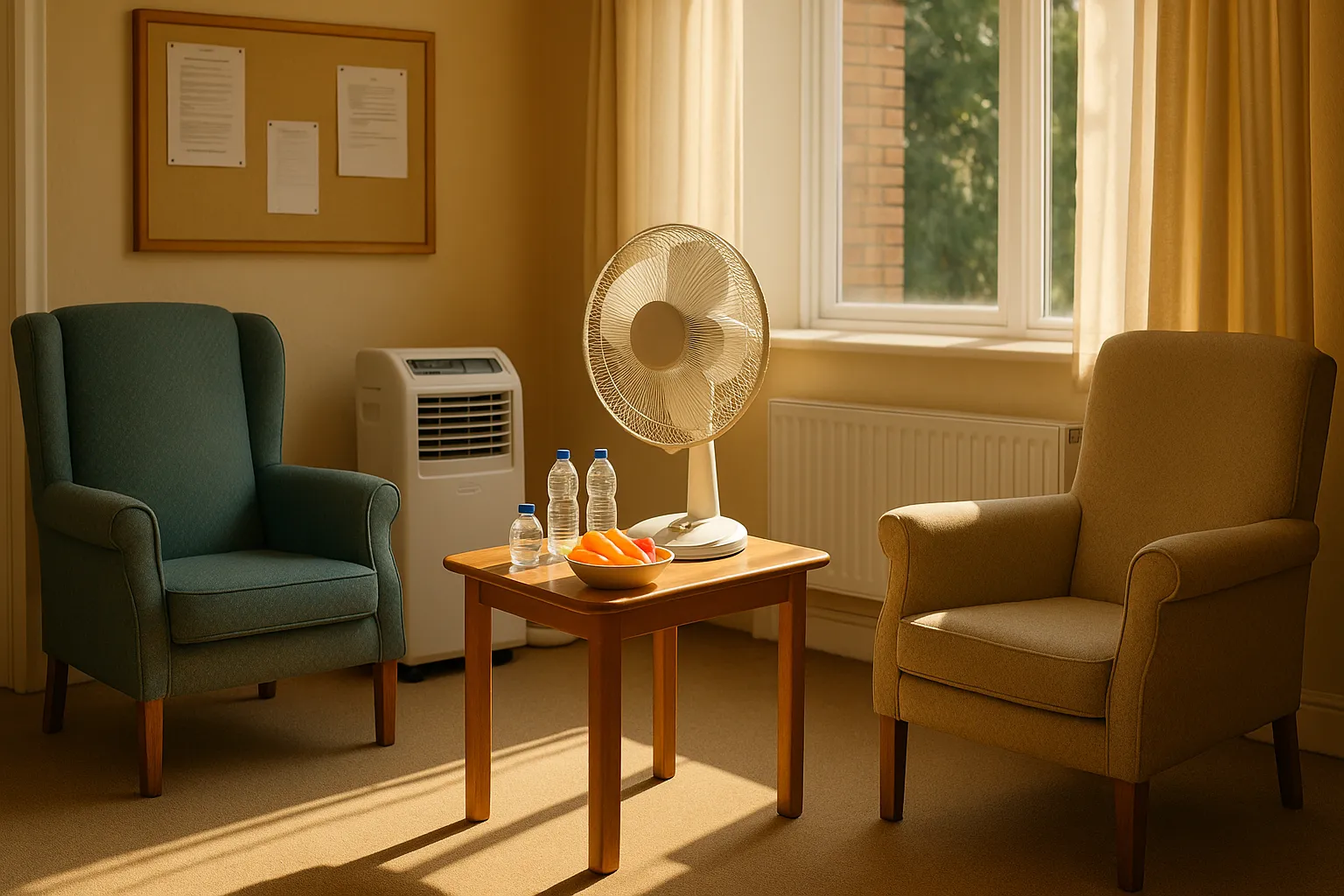
In care homes, the primary objective is to ensure the safety and comfort of residents, particularly vulnerable older adults who are at higher risk during extreme heat. Approximately 500,000 individuals reside in UK’s residential care facilities. Nadra Ahmed, chair of the National Care Association, stated, “Their priority is protecting vulnerable residents,” emphasising the proactive measures taken by responsible care homes. Many facilities began preparations as early as March, implementing cooling strategies such as fans, air conditioning units, and even paddling pools, complemented by an abundance of ice lollies and cold fruit. Some care homes are enhancing their monitoring of residents and have designated cool rooms, while outdoor activities may be postponed.
How effective these measures are will reflect lessons learned from the heatwave of 2022 when temperatures in the UK exceeded 40°C for the first time. During that crisis, nearly 3,000 heat-related fatalities were recorded in England, predominantly affecting individuals over the age of 65. Death rates in care homes were notably steep, with nursing homes witnessing a 34% increase in deaths and residential homes facing a 13% rise. A subsequent review by the UK Health Security Agency cited an antiquated care system, ill-prepared for extreme heat and overly reliant on ineffective cooling systems, while privately owned homes fared better. The report starkly noted, “Not all care facilities are created equal.”
A recent report from the Climate Change Committee indicates that the care sector remains inadequately equipped for severe heat, revealing “little evidence that climate action is taking place.” It proposed that by 2040, care homes should be capable of maintaining indoor temperatures ranging from 16°C to 26°C. This proposal, however, overlooks the social care needs of individuals living independently at home, where only a brief daily visit from domiciliary care staff may occur. Modifying homes designed for winter warmth to withstand ongoing heat challenges will be arduous, especially for a sector already grappling with heightened demand, financial constraints, and staff shortages.
In the education sector, school administrators across various regions impacted by unusual heat are crafting contingency plans to keep educational institutions operating. Issues arise not only from ensuring the wellbeing of catering staff and the functionality of transportation services but also concerning the overall learning environment. Approximately 300 schools in Somerset, Gloucestershire, and Buckinghamshire closed temporarily, while others made concerted efforts to remain open.
At Walton High School in Stafford, which is located on the outskirts of a red warning zone, students have been permitted to wear sports uniforms throughout the week. However, deputy headteacher Jo Rowley highlighted the challenges posed by the school’s outdated infrastructure, stating that despite the introduction of fans, the absence of air conditioning means little relief. The Department for Education maintains that schools should remain operational during heatwave conditions, prompting Rowley to navigate decisions day by day. “That’s a pressure point: whether we can provide catering for the whole week,” she commented.
School leaders remain grateful that the current heatwave did not coincide with crucial academic exams, which, during May’s similar heatwave, occurred amid half-term closures. Rowley expressed concerns about the sustainability of maintaining normal operations, stating, “We’re dodging a few bullets, but I’m not sure how much longer we can keep dodging.”
Healthcare systems face considerable challenges amidst rising temperatures, as many NHS facilities lack adequate infrastructure to cope with extreme weather. Inadequate air conditioning and poor ventilation exacerbate the situation, with many windows restricted by safety measures. As part of the response to these conditions, NHS trusts activated their extreme weather plans, coordinating actions based on health alerts to accommodate rising patient demands and safeguard at-risk individuals.
Notably, the University Hospital Southampton NHS Foundation Trust reported overwhelming demand in emergency departments, advising the public to refrain from attending unless absolutely necessary. NHS trusts have urged patients to limit the number of companions accompanying them to visits, as additional individuals contribute to increasing indoor temperatures.
Looking ahead, efforts are being made to address the underlying issues stemming from climate change. In Birmingham, for instance, surgeons have begun trialling carbon-neutral operations, avoiding the use of anaesthetic gases due to their greenhouse gas emissions. Meanwhile, an NHS trust in London has implemented software designed to power down idle computers overnight, significantly reducing carbon footprints without compromising security. Nevertheless, immediate interventions are essential; a report from the UK Health Alliance on Climate Change indicated that 90% of hospital buildings in England are at risk of overheating.
Ciarán Devane, chief executive of the NHS Alliance, underscored the urgency of addressing infrastructure shortcomings, stating, “Years of underinvestment means much of the NHS estate is too dilapidated, outdated or ill-equipped to deal well with heatwaves.” He called for enhanced government funding and the exploration of additional capital sources to ensure that the healthcare system can adapt effectively.
The food service sector is also feeling the strain of the rising temperatures. For establishments like Hawksmoor, a chain of steak restaurants, the heat poses significant operational challenges. Will Beckett, its owner, noted, “There are walk-in fridges, wet flannels, and even frozen bandanas. Ultimately, we must adapt, but we cannot simply change our menu to salads because of the heat.”
Restaurants, market vendors, and agricultural workers are grappling with maintaining food freshness and staff comfort in the blistering conditions. Juliane Caillouette Noble, chief executive of the Sustainable Restaurant Association, remarked that many restaurants are closing earlier, with some modifying their menus to accommodate the heat. However, while businesses selling meat and fish may be better insulated, market vendors—who lack refrigeration—are facing significant losses due to spoilage.
Adjustments along the food supply chain have also become common. Riverford, an organic fruit and vegetable delivery service, has altered its delivery schedule to accommodate the heat wave, dispatching goods before dawn to ensure freshness. Workers harvesting crops indoors are undertaking their tasks at first light to avoid oppressive heat later in the day.
Wildlife facilities face their own challenges during heatwaves, as zoos must guarantee the wellbeing of animals, staff, and visitors. Strategies employed to keep animals cool include providing large ice lollies laced with animal-friendly treats and ensuring shaded areas are available.
David Gibson, chief executive of Dartmoor Zoo in Devon, stated, “Most animals cope well with some heat,” but those adapted to cooler climates require additional support. Similarly, Bristol Zoological Society is utilising cooling mats for certain species and maintaining pools and misting systems to keep habitats comfortable.
In the transport sector, conditions can become increasingly perilous during heatwaves, as records show that the extreme heat can cause tracks to heat dangerously. The rail and bus sectors are struggling with inadequate cab insulation, leading to uncomfortable working conditions for transport staff. Unions have raised serious concerns about health implications due to elevated temperatures, calling for improvements and protective measures to maintain worker safety.
In the construction industry, there is mounting pressure to implement safety protocols as temperatures soar. Unite, a prominent union representing construction workers, is advocating for a maximum working temperature to prevent heat-related ailments. Jason Poulter, Unite’s national officer for construction, asserted that extreme heat conditions pose significant health risks such as heat exhaustion and potential accidents at construction sites.
As the UK becomes increasingly accustomed to rising temperatures, various sectors will have to implement adaptive measures to protect both workers and the public from the impactful effects of extreme heat. The long-term implications of climate change necessitate urgent action to equip industries to handle these challenges effectively.
Our Thoughts
To avoid the adverse effects of extreme heat described in the article, various sectors, particularly care homes and healthcare facilities, must proactively implement measures aligned with UK health and safety legislation. Key lessons include:
1. **Risk Assessments**: Employers are required under the Health and Safety at Work Act 1974 to assess risks, including those posed by extreme temperatures. Care homes and schools should have conducted heat risk assessments well before the onset of the heatwave to ensure adequate cooling measures were in place.
2. **Adequate Cooling Systems**: The Control of Substances Hazardous to Health Regulations (COSHH) require proper ventilation and temperature control in workplaces. Facilities must invest in effective air conditioning or cooling systems to protect vulnerable populations.
3. **Employee Wellbeing**: Under the Management of Health and Safety at Work Regulations 1999, employers must ensure the health and safety of employees. This includes providing rest breaks and hydration for outdoor workers, especially in construction and transportation.
4. **Training and Guidance**: Staff should be trained on the risks of heat stress and provided with clear guidelines on how to manage high temperatures. Ensuring communication and awareness can prevent health crises.
5. **Legislation Breach**: Not adequately preparing for heat can breach duties under the Health and Safety at Work Act and could lead to increased liabilities in case of incidents caused by heat-related illnesses.
Immediate action to remedy these vulnerabilities and invest in future-proofing against climate impacts is imperative across all sectors.