














Story Highlight
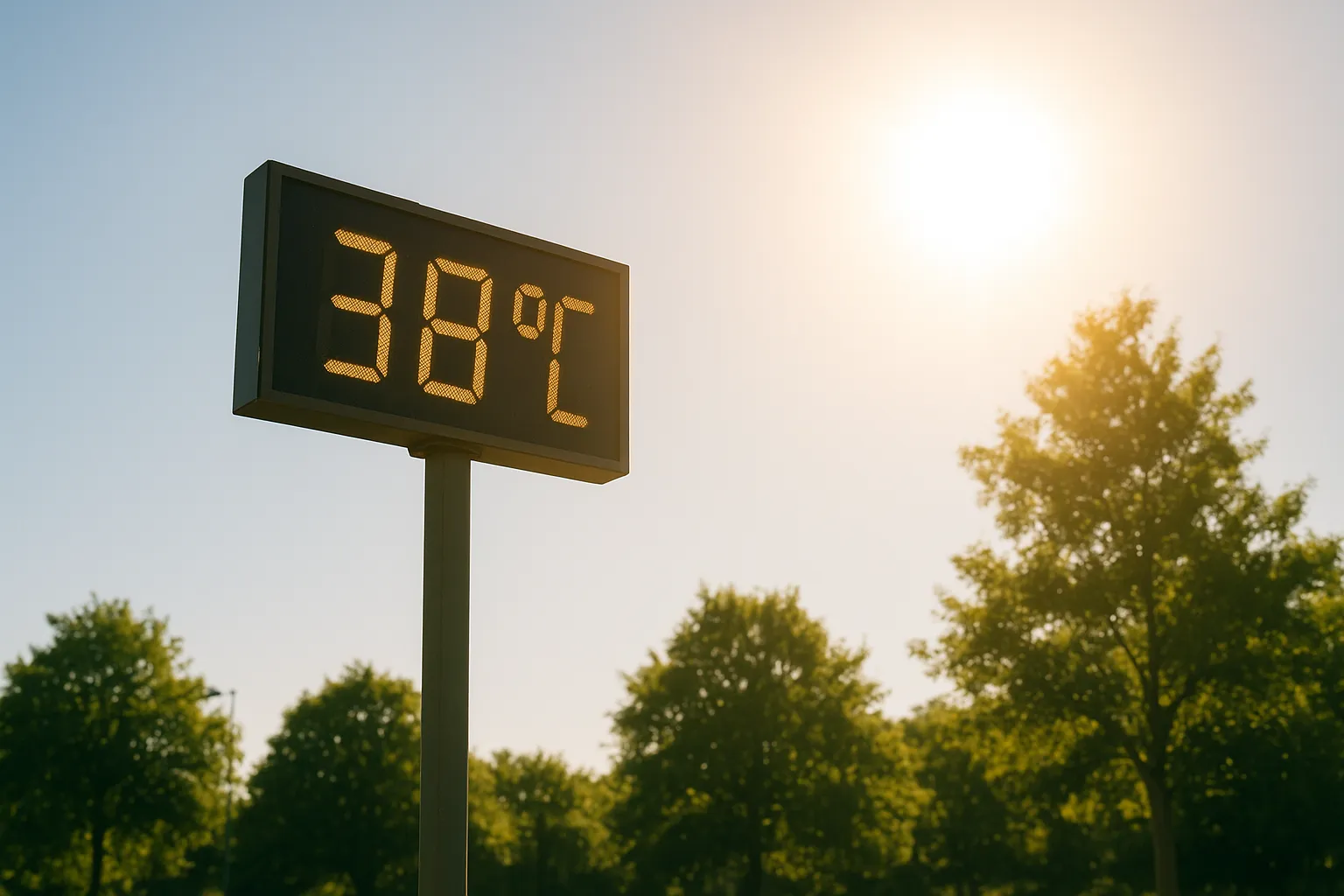
– UK temperatures may exceed 38C, matching June record.
– Extreme heat warnings issued by UK Health Security Agency.
– Employers must protect workers from excessive heat hazards.
– Employers required to provide PPE and first aid resources.
– Employees can refuse unsafe work under Employment Rights Act.
Full Story
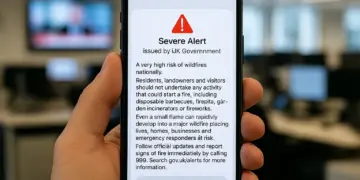
With forecasts indicating that temperatures could climb beyond 38°C, potentially surpassing the June record of 35.6°C established in 1976, the UK is on high alert for extreme heat. Consequently, health warnings and alerts have been disseminated to prepare the public for the impending conditions.
The UK Health Security Agency (UKHSA) has issued a caution regarding the anticipated far-reaching effects of the heat on health services and social care. Vulnerable populations, particularly those aged 65 and older or individuals with pre-existing health issues, are expected to be at increased risk. The agency highlighted that such elevated temperatures could correlate with a rise in mortality rates among these groups.
Under the provisions of the Health and Safety at Work Act 1974, employers are mandated to ensure a safe working environment for their employees. This obligation extends to safeguarding workers against the dangers associated with adverse weather conditions, including extreme heat.
John Johnston, the head of e-commerce at Workwear Express, emphasised the responsibility employers have to mitigate the risks presented by heatwaves. He stated that during periods of extreme weather, particularly when employees are engaged in outdoor activities, it is crucial for employers to implement protective measures in accordance with health and safety regulations.
Essential strategies include the provision of personal protective equipment (PPE) specifically designed for high temperatures. Employers are also expected to conduct comprehensive risk assessments and ensure that all personnel receive training on recognising the signs of heat-related illnesses, such as heat exhaustion and heatstroke.
Furthermore, it is imperative that employers offer shaded areas where staff can take breaks, allowing them to cool down and recuperate from extended exposure to the sun. As temperatures soar, the likelihood of workplace accidents also increases, with sunburn, dehydration, and heat-related illnesses becoming more prevalent. Therefore, providing adequate first aid resources and ensuring that a trained first aider is available on-site are crucial components of workplace safety during such extreme conditions.
Interestingly, despite the potentially hazardous nature of the situation, there is currently no legally defined maximum temperature that can be enforced in workplaces across the UK. This shortfall means that workers cannot simply exit their workplace on the basis of high temperatures alone.
However, it’s worth noting that workers do possess the right to refuse to work if they believe their working conditions pose a danger to their health and safety. This right is enshrined in the Employment Rights Act of 1966 and provides a safeguard for employees against working in unsafe conditions.
In light of these extreme weather predictions, trade union representatives are advising members to reach out to their unions if they feel that their workplace environment is unsafe during this period of intense heat. Unions can offer crucial support and guidance, ensuring that workers remain informed of their rights and responsibilities.
In the context of health risks, it is vital for both employers and employees to remain vigilant. Recognising the symptoms of heat-related illnesses can be life-saving. Common signs to look for include dizziness, excessive sweating, a rapid pulse, and fatigue. Immediate action is necessary if anyone exhibits these symptoms, involving relocation to a cooler environment and seeking medical assistance.
Additionally, public health messages being circulated stress the importance of hydration during extremely warm weather. Drinking ample water and avoiding excessive caffeine and alcohol are key recommendations to help mitigate the risks associated with heat stress. Convincing the workplace community to prioritise hydration can significantly reduce the incidence of heat-related ailments.
Local authorities and health agencies are preparing for the potential impacts of the heat on public health systems. With a predicted surge in the need for medical attention, particularly among the vulnerable demographic, these organisations are mobilising resources to equip themselves for a potential increase in emergency cases related to heat exposure.
In summary, as the UK braces for what could be one of the hottest spells in recent history, both governmental agencies and employers must collaborate to protect public health. This includes implementing effective strategies to manage heat exposure in workplaces, enhancing awareness of health risks, and ensuring that workers are informed of their rights.
By fostering an environment of safety and preparedness, it is hoped that the adverse effects of the impending heatwave can be mitigated, safeguarding the health and wellbeing of all. As the country navigates these challenging conditions, a concerted effort from all parties will be essential to maintain safety in the workplace and beyond.
Our Thoughts
To mitigate risks associated with extreme heat, employers should have implemented preventive measures aligned with the Health and Safety at Work Act 1974. Key actions include conducting comprehensive risk assessments specifically for temperature-related hazards, ensuring timely communication of health threats, and providing adequate protective equipment (PPE) designed for high temperatures.
Employers are mandated to offer sheltered break areas to allow employees to cool down and recover, which is critical in preventing heat-related illnesses. Training workers to recognize symptoms of heat exhaustion is essential to enable early intervention.
While there is no specific legal maximum workplace temperature in the UK, the responsibility lies with employers to maintain a safe working environment. Employees retain the right to refuse work if conditions threaten their health, as outlined in the Employment Rights Act 1966.
To prevent future incidents, it’s crucial for employers to stay informed about weather forecasts and adjust work practices accordingly, providing support and resources to ensure employee safety during extreme heat events. Engaging trade unions for employee support can also reinforce safety protocols during high-temperature periods.