














Story Highlight
– Met Office issues yellow weather warning for thunderstorms.
– Affected areas include Somerset, Devon, and Cornwall.
– Potential for disruptive storms from 18:00 to 23:59 BST.
– Residents advised to prepare flood plans and emergency kits.
– Stay indoors and avoid sheltering under trees.
Full Story
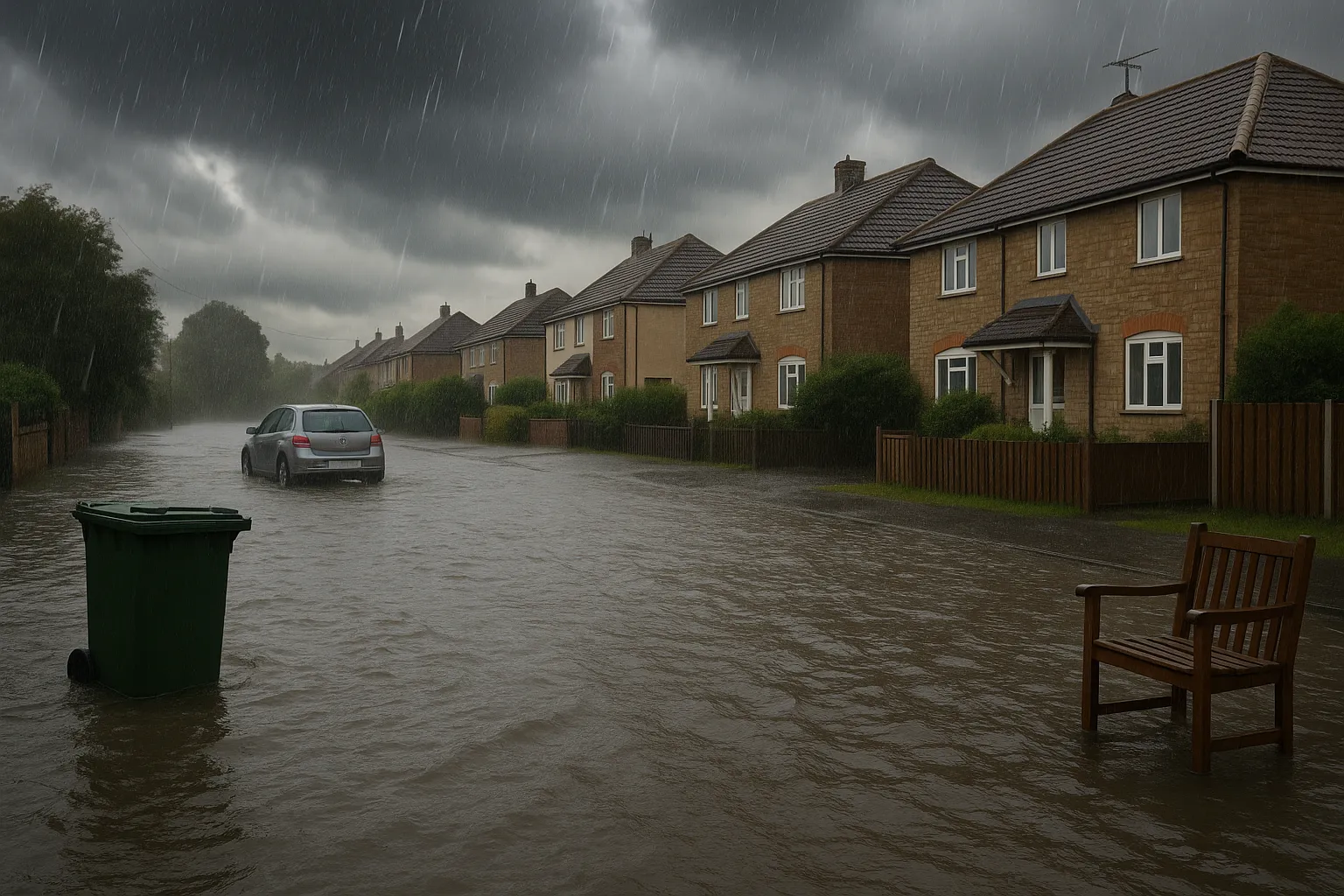
A new yellow weather warning for thunderstorms has been issued by the Met Office, following severe flash flooding and a high volume of lightning strikes experienced across the region. The warning specifically concerns the South West of England, covering significant areas including Somerset, Devon, and Cornwall. It forecasts the potential for intense storms that could occur between 18:00 and 23:59 BST on Thursday.
Residents within the warning zone are advised to prepare for possible disruptions that may arise from these storms. The Met Office has outlined several concerns, including the potential for damage to buildings due to sudden, strong winds. Moreover, the forecast suggests the likelihood of hazardous driving conditions, interruptions to power supplies, and the risk of flash flooding during these turbulent weather events.
Local officials are urging residents to assess their vulnerability to flooding. Those likely to be affected are encouraged to establish a flood plan along with an emergency kit containing essential items. It is critical to secure loose outdoor objects such as bins, garden furniture, trampolines, tents, sheds, and fences, which could become dangerous projectiles in high winds.
In an effort to minimise risk during storms, the Met Office has provided important safety recommendations. Individuals who may find themselves outside during severe weather should seek shelter in a safe and enclosed environment, like a vehicle. It is particularly advised to avoid taking refuge beneath trees due to the dangers they pose in strong winds.
This weather warning comes on the heels of an extraordinarily stormy period for the region, prompting concerns about the impact on local communities. Emergency services and local councils are on standby, ready to assist residents in the face of potential flooding. The public has been advised to stay updated with the latest weather reports and heed any guidance from the authorities to ensure safety.
For many, the forecast serves as a reminder of the unpredictable nature of weather patterns, particularly during the summer months when thunderstorms can emerge swiftly. Local meteorologists indicate that climate change may be contributing to more extreme weather events, heightening the sensibilities surrounding such warnings.
Residents in flood-prone areas are urged to remain vigilant and to take proactive measures. Community groups and local authorities are mobilising resources to ensure that those in vulnerable positions receive information and support as the storms approach. The emphasis lies on preparation and resilience in the face of nature’s unpredictability.
The situation also raises wider inquiries regarding infrastructure and long-term community preparedness in light of increasing weather volatility. Experts suggest that local governments should focus on improving drainage systems and flood barriers to protect cities and towns from potential damage. As storms become more frequent, comprehensive strategies will be necessary to ensure community resilience.
“If communities take proactive steps to prepare, we can mitigate some of the risks,” stated a spokesperson for the Met Office. They encourage residents to remain informed through weather updates and local news, particularly as the forecast may evolve in response to real-time meteorological changes.
In the aftermath of previous storms, many communities experienced significant challenges, including property damage and unexpected disruptions. The recent flash flooding has already posed difficulties for transport networks and emergency services. Transport authorities are advising motorists to exercise caution on the roads, particularly in areas prone to flooding where water levels can rise rapidly.
As the weather unfolds, the potential for thunderstorms will remain a priority for those monitoring the situation. The Met Office is continuously analysing data and predicting changes that could affect the region, providing real-time information to help individuals and communities stay informed.
The response from local authorities encompasses mobilising support efforts as necessary to safeguard the public. Information is being disseminated through various channels, from social media alerts to community meetings, aiming to ensure that everyone is aware of the risks posed by the impending storms.
As precautionary measures are implemented, it is clear that resilient communities require cooperative efforts. In addition to personal preparation, neighbours are encouraged to look out for each other, particularly the elderly or those with limited mobility. Community spirit often becomes the strongest asset in challenging weather, providing reassurance and practical support when most needed.
With storm conditions anticipated, the focus shifts to safety, adaptability, and community strength. The coming days will demonstrate the collective resilience of those in the South West as they prepare for potential disruption while fostering a culture of preparedness and awareness amidst changing weather patterns. Responsiveness has never been more crucial, as the unpredictability of nature compels timely and thoughtful action.
Our Thoughts
The article highlights the importance of preparedness ahead of severe weather events, like flash floods and thunderstorms. To avoid risks associated with such storms, individuals and organizations should implement a robust weather monitoring and response plan, aligning with the Health and Safety at Work etc. Act 1974, which mandates employers to ensure the health and safety of all staff and the public.
Key safety lessons include the necessity for timely communication about severe weather, encouraging the formation of flood plans and emergency kits, as advised. Organizations should conduct risk assessments in anticipation of adverse weather conditions, as outlined in the Management of Health and Safety at Work Regulations 1999.
Furthermore, businesses should train employees on safety measures during storms, including securing moveable objects and identifying safe shelter options. By fostering a culture of safety and preparedness, similar incidents can be better managed, ultimately reducing the risk of injury and damage during extreme weather.