













Story Highlight
– Tiffany’s Hotel owners fined £120,000 after boy’s death.
– Jack Piper-Sheach was electrocuted in September 2023.
– Schoolboy died four days post-incident in hospital.
– Hotel failed to correct dangerous electrical installations.
– Electrical inspections documented issues prior to incident.
Full Story
**£120,000 Fine for Hotel Following Tragic Electrocution of Young Boy**
The owners of a seaside hotel where a young boy tragically lost his life due to an electrocution incident have been fined £120,000 by a court. The incident took place at Tiffany’s Hotel in Blackpool, where ten-year-old Jack Piper-Sheach was found unresponsive in the lobby in September 2023 and sadly passed away four days later in hospital.
Jack was on holiday with his family at the time of the incident, which has prompted significant public concern and scrutiny regarding the safety standards at hospitality establishments. Following the incident, Y7 Hotels Ltd, the managing company for Tiffany’s Hotel, faced legal action from Blackpool Council for failing to adhere to health and safety regulations stipulated under the Health and Safety at Work Act 1974.
During proceedings, it was revealed that the hotel had been found guilty of two offences related to its electrical safety practices. Despite the case’s serious nature, it’s important to note that neither of the charges were directly linked to the circumstances surrounding Jack’s death, as a subsequent investigation by Lancashire Police concluded that no criminal charges would be pursued following their inquiries.
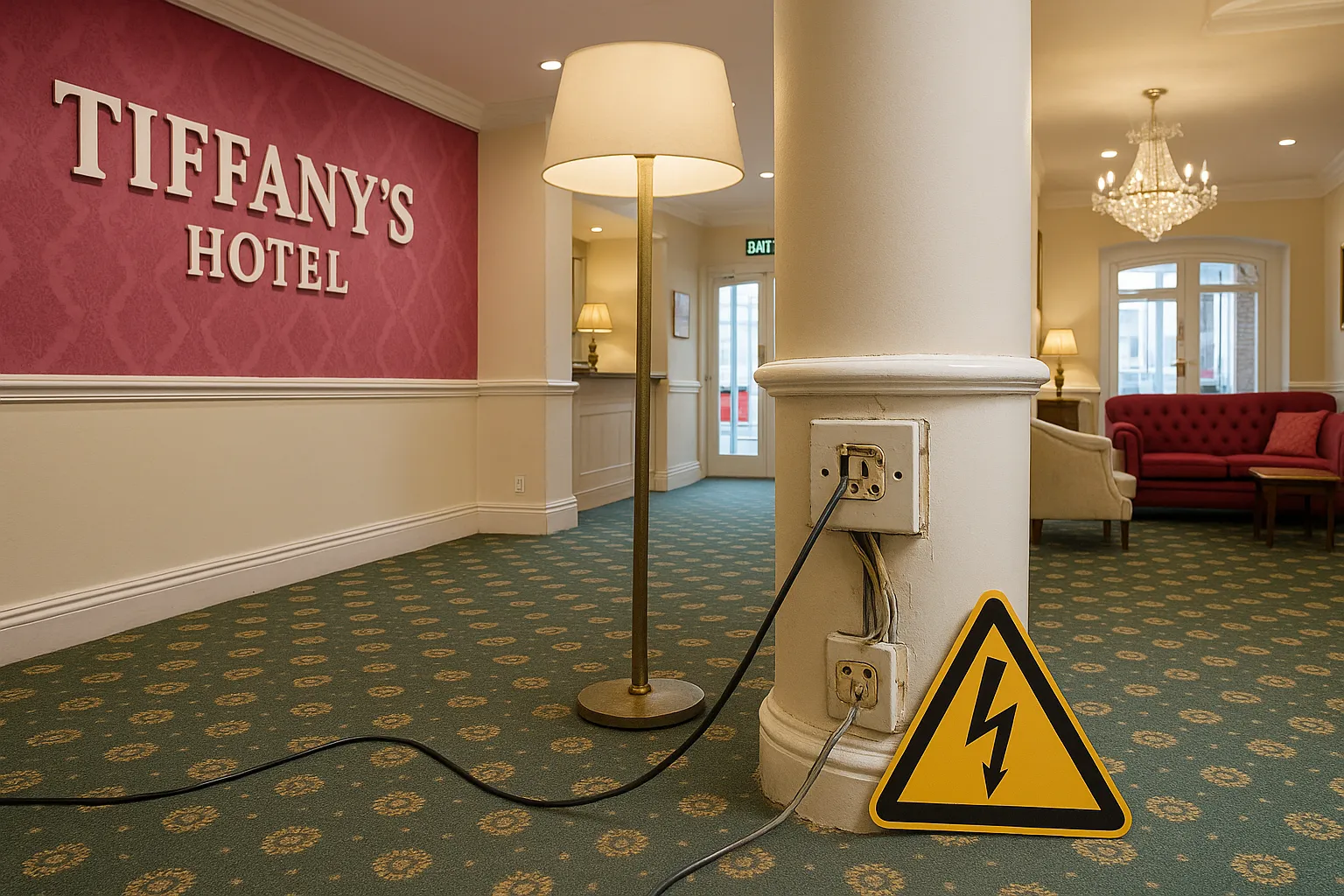
In a statement, Blackpool Council highlighted that while the hotel had completed electrical inspections as mandated by law, it had neglected to address significant electrical hazards flagged during these evaluations. Notably, it was pointed out that critical repairs were not executed by a qualified electrician, raising concerns about the overall safety of the hotel’s electrical systems. Furthermore, evidence presented to the court indicated that any maintenance work performed lacked appropriate documentation and certification, failing to ensure compliance with safety standards.
An inspection report from 2020 had already identified several concerns regarding electrical installations at the hotel, noting that certain issues posed a risk to both guests and employees. After the tragic accident, officials investigating the hotel’s operations found that the hotel’s electrical installation was not maintained adequately and posed ongoing risks.
In the wake of the incident, the director of Tiffany’s Hotel took the step to voluntarily cease operations, a decision that was likely influenced by the profound implications of the situation and the safety concerns raised by authorities. Following a detailed investigation by the Health and Safety Executive (HSE), it was determined that corrective action was necessary to address the identified electrical hazards. An Improvement Notice was subsequently issued to the hotel.
After rectifying the outstanding issues and providing a satisfactory Electrical Installation Condition Report (EICR) in November 2023, Tiffany’s Hotel was permitted to reopen. This aspect underscores the ongoing commitment by regulatory bodies to ensure that such establishments adhere to safety protocols to protect visitors.
Councillor Dave Flanagan expressed deep sympathy concerning the tragedy. He stated, “This is a tragic case and throughout our investigation our thoughts have always been, and continue to be with, the family, friends and loved ones of Jack Piper-Sheach.” His comments reflect the heavy toll that such incidents take on communities, particularly in locations frequented by families seeking leisure and enjoyment.
The provisional cause of death, as outlined by medical professionals, was determined to be electrocution, which led to cardiac arrest and resulted in a lack of oxygen to Jack’s brain. These findings highlight the severe consequences that can arise from lapses in safety standards, especially in environments that cater to families and young children.
Family sources previously spoke to the profound grief experienced by Jack’s loved ones, describing the situation as “absolutely tragic.” They emphasized the emotional struggle following such a devastating event and requested privacy as the official investigations continued.
This incident not only underscores the importance of stringent health and safety enforcement in hospitality settings but also serves as a poignant reminder of the potential risks associated with electrical systems that are not properly maintained. With tourism being a vital part of Blackpool’s economy, such tragedies have broader implications for public confidence in local accommodations.
In light of this event, community leaders are advocating for a review of safety regulations within the hospitality sector, emphasising the need for rigorous checks and penalties for non-compliance to ensure that the safety of guests is prioritized. Increasing awareness and ensuring that all businesses adhere to safety standards is essential for preventing future tragedies.
As the situation develops, ongoing discourse about the responsibilities of hotel owners and the role of regulatory bodies in enforcing safety standards remains critical to safeguarding the wellbeing of all who visit such establishments.
Our Thoughts
The tragic electrocution of ten-year-old Jack Piper-Sheach at Tiffany’s Hotel highlights significant failures in health and safety compliance. The main lessons revolve around the importance of conducting timely and thorough electrical maintenance and ensuring that all electrical work is completed by qualified professionals, as mandated by the Electricity at Work Regulations 1989.
Y7 Hotels Ltd admitted to breaches of the Health and Safety at Work Act 1974, indicating a failure to ensure the safety of both guests and employees. Despite earlier inspections, critical issues identified in a 2020 Electrical Installation Condition Report went unaddressed, demonstrating a lack of proactive risk management.
To prevent similar incidents, hotel operators must establish rigorous internal safety protocols, conduct regular risk assessments, and ensure that all electrical installations are routinely inspected and certified by competent personnel. Documenting all maintenance work is crucial for accountability and safety assurance.
Proper training in health and safety obligations for management and staff also plays an essential role in safeguarding guests and preventing future tragedies like this.