














Story Highlight
– Carl O’Keeffe died after being trapped in caving attraction.
– Major emergency response involved multiple rescue teams.
– King Kong Climbing Centre admitted health and safety breach.
– Director Paul Cornforth faces charges related to incident.
– Family mourns loss; sister shares heartfelt farewell message.
Full Story
A tragic incident at a popular climbing facility in Cumbria has led to a significant inquiry following the death of a father from Lancaster, who became ensnared in an indoor caving attraction. Carl O’Keeffe, aged 49, lost his life in April 2023 while attending a birthday celebration for a family member at King Kong Climbing Centre in Keswick.
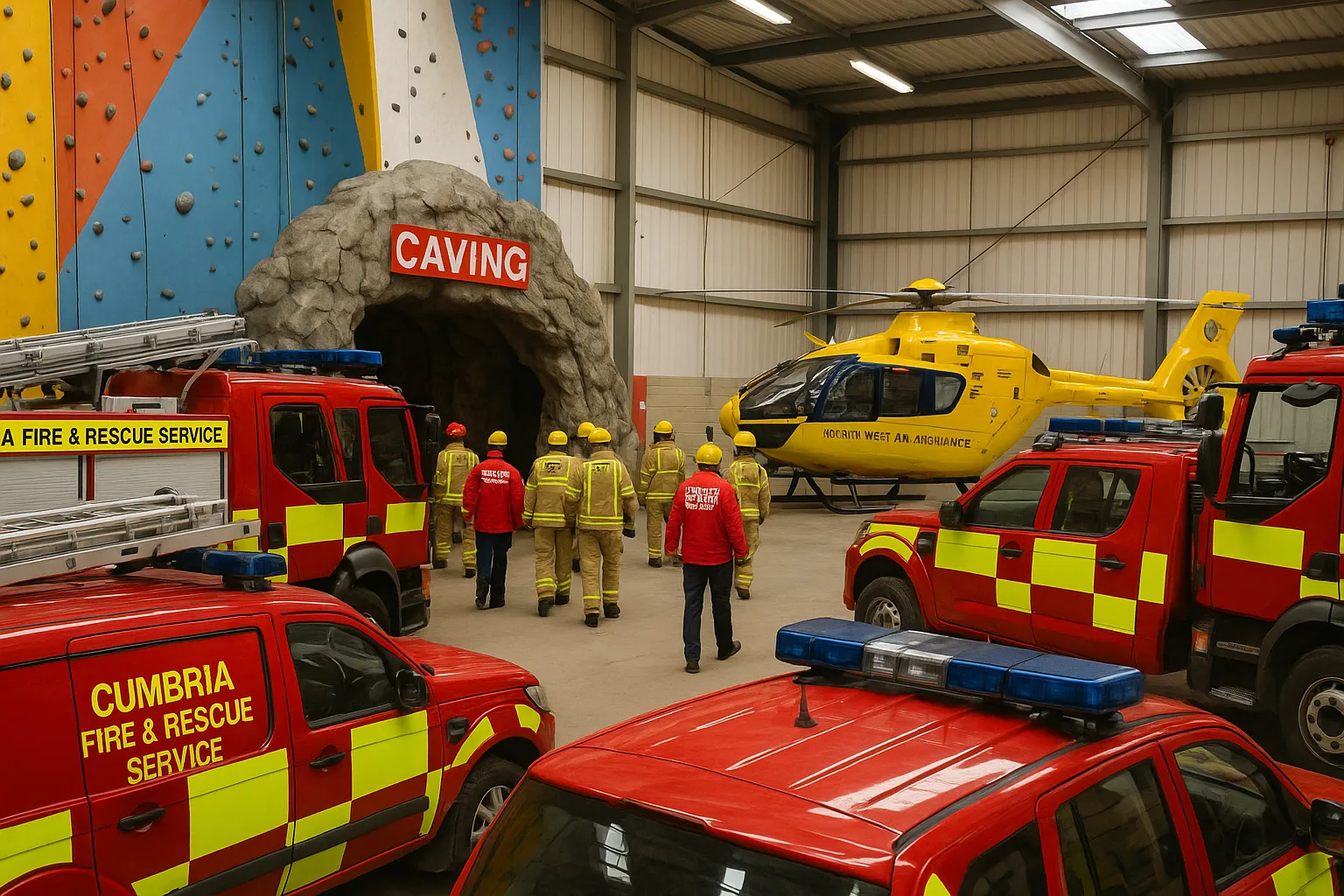
The emergency response was extensive, with six units from the Cumbria Fire and Rescue Service, along with the Keswick Mountain Rescue Team and the North West Air Ambulance, deployed in response to the incident. Despite immediate medical attention and subsequent hospitalization, Mr O’Keeffe succumbed to his injuries several days later at Cumberland Infirmary in Carlisle.
Following an investigation into the circumstances surrounding Mr O’Keeffe’s death, King Kong Climbing Centre Ltd has acknowledged a breach of health and safety regulations. The company has been charged with failing to ensure the safety of their premises, which allegedly allowed Mr O’Keeffe to be exposed to hazardous conditions, as reported by Lancs Live.
During a recent hearing at Newcastle Crown Court, Paul Cornforth, the company’s director, appeared via video link and entered a guilty plea regarding the health and safety violation. However, he faces an additional charge related to whether the breach was committed with his knowledge or consent, a claim to which he has previously pleaded not guilty. Director Cornforth remains on unconditional bail, with a subsequent court appearance scheduled for September 11, 2026, as outlined by ITV News.
Olivia Short, Mr O’Keeffe’s elder sister, shared her heartbreak on social media following the incident. In a poignant tribute posted on Facebook, she expressed, “At 3pm today I sat with Carl and said goodbye forever. He was my baby brother and over the last few years became my best friend.” Olivia conveyed the depth of their bond, recalling their daily interactions filled with word games and odd facts about nature. She noted how she had enjoyed alternate weekends with him and his children, emphasising the strong family ties they maintained.
Describing the aftermath of the accident, Olivia recounted, “I have been with him since his accident in Keswick on Saturday 22nd April. He was taken to Carlisle Hospital’s intensive care with crush injuries. It became apparent that the injuries were severe and he would not be able to survive.” After understanding the gravity of his condition, the family made arrangements for Mr O’Keeffe to be transferred to a private room, allowing her to be with him during his final moments, a decision made to ensure he could pass away with dignity. “I’m broken-hearted. As are the rest of our family,” she added, underlining the deep sense of loss felt by those who knew him.
The impact of Mr O’Keeffe’s passing has resonated not only within his family but across the local community, leading to questions regarding safety standards in recreational facilities. As relatives and friends mourn his loss, discussions about the obligations of such establishments to ensure their customers’ safety have gained prominence. It raises critical points about industry regulations and the responsibilities of business owners in safeguarding their clients while engaging in recreational activities.
Safety experts in the climbing and adventure sector stress the importance of strict adherence to guidelines designed to protect users from harm. The case of Mr O’Keeffe serves as a stark reminder of the potential dangers that can lurk in facilities tasked with providing fun and excitement to families and children.
Local community members have expressed their condolences and support for the O’Keeffe family, recognising the devastating impact of this tragedy. Many are now calling for a thorough review of safety protocols at indoor climbing and adventure facilities across the region to prevent similar incidents in the future. Such measures are seen as vital for maintaining public trust in venues that provide recreational activities for families.
While the investigation continues, the focus remains on ensuring that lessons are learned from this unfortunate event. Enhanced safety measures and staff training could play a crucial role in preventing any occurrence of similar incidents. As discussions unfurl, active participation from local authorities, business owners, and community leaders will be crucial in addressing these critical safety issues.
The case underlines the inherent risks associated with adventure sports and recreational attractions, igniting a broader dialogue regarding the responsibility of such entities to ensure the welfare of their visitors. As communities come together to honour the memory of Carl O’Keeffe, efforts will likely intensify to promote a safer environment for all who seek adventure and enjoyment in recreational activities.
As the legal proceedings move forward, the hope remains that a thorough examination of the events leading up to Mr O’Keeffe’s tragic fate will result in significant changes that enhance safety standards and genuinely prioritise the well-being of guests. The sentiment within the community echoes a collective wish for a safer future in recreational spaces, ensuring that no family has to endure the grief brought upon by preventable tragedies.
Our Thoughts
The tragic incident at King Kong Climbing Centre highlights several key lessons in health and safety practices relevant to UK legislation. The Health and Safety at Work Act 1974 mandates that employers ensure the safety of all individuals on their premises. The climbing centre’s failure to prevent risks resulted in a significant health and safety breach.
To avoid similar incidents, the centre should have implemented comprehensive risk assessments and safety protocols, particularly in areas involving physical challenges such as caving attractions. Regular safety inspections and employee training could enhance awareness of potential hazards and ensure appropriate emergency procedures are in place.
Additionally, ensuring all equipment is maintained and liability procedures are understood would limit exposure to risk. The company’s admission of guilt suggests a breach of the Management of Health and Safety at Work Regulations 1999, which emphasizes assessing risks and taking necessary precautions.
Preventative measures, including improved signage, presence of trained staff, and emergency plans, could mitigate risks in adventure and recreational facilities. Regular audits and compliance checks aligned with the relevant health and safety guidelines would further protect patrons and reduce liability issues.