















Story Highlight
– New law mandates quicker hazard fixes in social housing.
– Awaab’s Law inspired by two-year-old’s tragic death.
– Landlords must address severe issues within set timelines.
– Excess heat and cold classified as significant hazards.
– Legislation aims to improve tenant safety and accountability.
Full Story
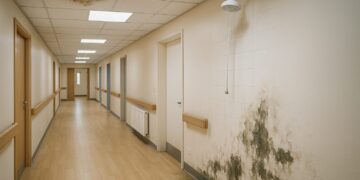
New legislation aimed at improving the safety and wellbeing of tenants in social housing will soon come into effect, mandating landlords to more rapidly address critical hazards. This initiative, known as Awaab’s Law, was introduced following the tragic death of Awaab Ishak, a two-year-old boy whose passing in December 2020 was attributed to respiratory issues caused by prolonged exposure to mould in his family’s housing association flat in Rochdale, Greater Manchester.
The new rules will come into force on 30 November and are designed to strengthen the rights of social housing tenants. They will enable residents to ensure that serious safety concerns are rectified more swiftly. While many elements of the law, specifically regarding dampness and mould, will not fully take effect until October 2025, recent announcements by the government have indicated that a variety of other significant hazards will also require urgent attention from landlords.
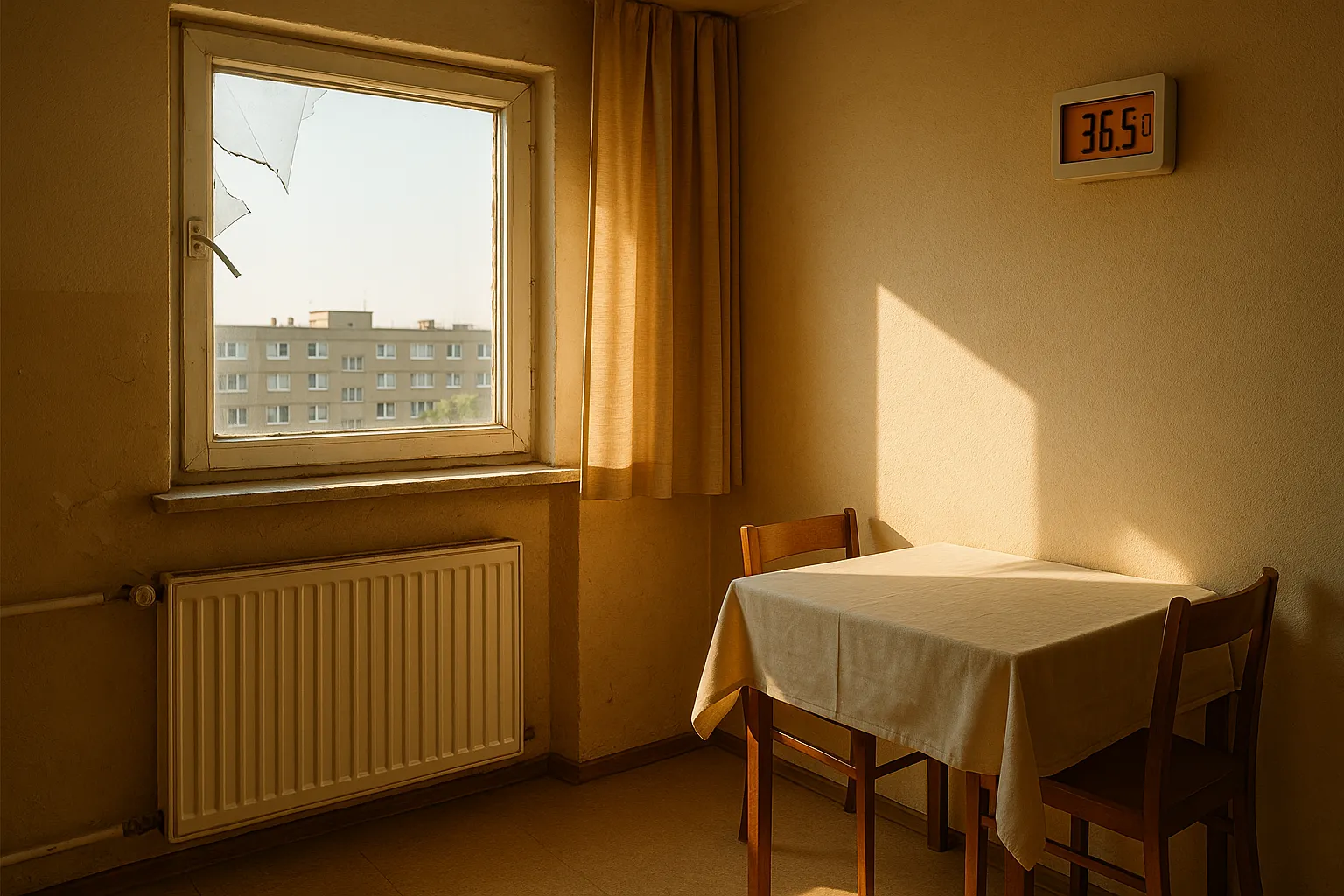
The range of issues covered by the legislation now includes not just mould and dampness, but also excess cold, excess heat, risks of falling, structural failures, fire hazards, electrical safety issues, and hygiene deficiencies. Under the government’s guidance, the definition of excess heat encompasses health threats due to excessively high indoor temperatures, particularly in cases where residents are unable to cool their homes or seek relief from heat due to a defect in the property. However, the law does specify that overheating solely caused by extreme external temperatures is excluded from its scope.
If a defect exacerbates the effects of excessive outdoor temperatures, such as a malfunctioning window, then the provisions of Awaab’s Law may apply. This clarification comes as the UK faces a series of heatwaves, with temperatures in various regions reaching over 30 degrees Celsius. The independent Climate Change Committee has issued warnings that if action is not taken, as much as 92 per cent of UK homes could be at risk of overheating by the middle of the century.
In a formal statement to Parliament, Housing Minister Matthew Pennycook emphasised the importance of the legislation: “Awaab’s Law is vital legislation that empowers social tenants to hold their landlords to account using the full force of the law if they fail to investigate and fix hazards within their homes within set timescales.” He added that the law not only safeguards tenants but also facilitates access to the Housing Ombudsman in instances where landlords do not comply with established timelines for remediation.
Pennycook acknowledged that meaningful progress would also depend on a fundamental transformation within the culture of social housing providers, asserting that the new law would play a pivotal role in ensuring that all landlords properly address tenant complaints. He expressed hope that the effect of this legislation would foster an atmosphere of trust between tenants and housing providers.
The onus is now placed firmly on landlords to react to all emergency hazard situations within a 24-hour timeframe. For concerns that are serious but not immediately life-threatening, landlords are required to investigate within ten working days. Following this investigation, tenants must receive a written summary detailing the issue and the planned corrective measures within three working days. Urgent remedial work is to be initiated within five working days to ensure that homes are made safe within a maximum of 15 days. Further, while extensive repairs may take longer, these will need to be started within a period of 12 weeks.
Housing Secretary Steve Reed has reinforced the significance of Awaab’s Law, stating, “This action will mean dangers have to be dealt with quickly by law, protecting tenants’ rights to a safe and decent home.” He stressed the necessity of prioritising tenant health and safety, advocating for swift resolution of hazards.
Gavin Smart, Chief Executive of the Chartered Institute of Housing (CIH), also welcomed the expansion of Awaab’s Law to encompass additional hazards, calling it an important move towards enhancing the safety and quality of homes across the country. “Extending Awaab’s Law to these hazards is an important step towards safer, healthier homes, and we welcome the collaborative approach the government has taken,” he noted.
Smart highlighted that the initiative is about more than just legal compliance; it signifies a cultural shift in which housing providers must actively listen to and respond to the concerns of their residents. “This is about a culture of listening to residents and acting on their concerns, and that is the change we want to help the sector deliver,” he asserted, promising continued support for the housing sector during the implementation phase.
With multiple layers of protection now in place, Awaab’s Law stands as a testament to ongoing efforts to enhance the living conditions for tenants in social housing. As the legislation prepares to roll out, it is anticipated that these measures will lead to significant improvements in tenant experiences and ultimately ensure a safer living environment for all.
Our Thoughts
To prevent tragedies like the death of Awaab Ishak, landlords must prioritize swift action in addressing housing hazards. Key safety lessons include the critical importance of proactive maintenance and immediate response protocols for reported issues. The new provisions under Awaab’s Law, which obligate landlords to rectify serious hazards rapidly, should compel a culture shift in housing associations toward prioritizing tenant safety.
Relevant regulations breached prior to the implementation of Awaab’s Law likely included the Housing Health and Safety Rating System (HHSRS) standards, which require landlords to ensure properties are free from significant hazards like mould and damp. Under the Landlord and Tenant Act 1985, landlords are constitutionally required to ensure that properties are kept in a good state of repair.
To avoid future incidents, landlords must foster a proactive maintenance culture, ensure regular inspections, and implement robust reporting mechanisms for tenants. Training for property managers on hazards and urgent responsiveness will support compliance and deepen tenant trust. Moving forward, it is vital to harmonize legislation with evolving climate challenges, such as extreme heat, to safeguard resident health effectively.