















Story Highlight
– Flame retardants play a crucial role in fire safety.
– Individual substances should be evaluated, not treated collectively.
– Upholstered furniture is a primary fire hazard in homes.
– Reducing ignition is vital for preventing fires effectively.
– Modern flame retardants are safe and meet environmental standards.
Full Story
As discussions around fire safety regulations gain momentum, the role of flame retardants in a variety of products has sparked considerable debate. Wayne Aaron, Managing Director of Texchem UK, which operates as part of Flamaway Group, emphasises the complexities surrounding these substances, advocating for a balanced discussion centered not on their removal, but on identifying optimal solutions.
Flame retardants play an integral part in enhancing fire safety across numerous applications, spanning from electrical wiring and television housings to upholstered furniture. The conversation surrounding these chemicals often overlooks their dual purposes. For instance, magnesium hydroxide, while a flame retardant, is also a common ingredient in milk of magnesia, which millions use for alleviating heartburn. Similarly, certain brominated compounds find utility in treating swimming pool water. Such examples underscore the necessity of assessing individual substances based on their specific uses rather than categorising all flame retardants uniformly.
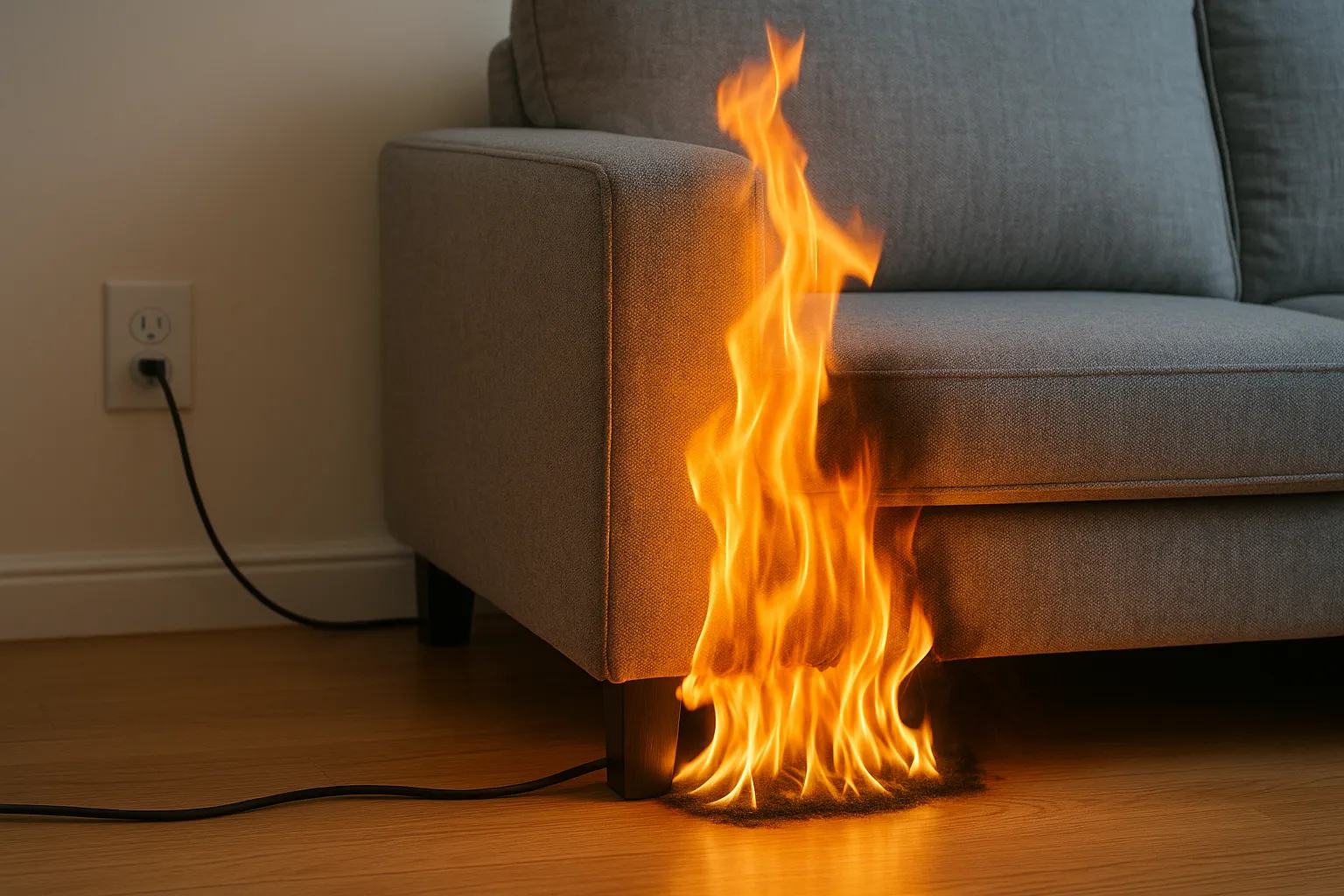
Within domestic settings, upholstered furniture poses a considerable fire risk due to its substantial fuel load when ignited. Modern sofas predominantly consist of synthetic materials, including polyurethane foam and various petroleum-based fabrics, making them particularly susceptible to rapid combustion. As such, a primary goal for fire safety remains straightforward: eliminate ignition sources to prevent fires from starting in the first place.
There have been calls from various advocacy groups for the UK’s furniture safety standards to mirror those of other European countries. However, this proposition raises significant concerns. Data indicates that Europe experiences over 5,000 fatalities annually related to furniture fires. In contrast, the United States enjoyed a nearly four-decade decline in home fire deaths until a notable reduction in furniture fire safety measures was introduced in 2013. Since that policy shift, statistics reveal a rising trend in fire-related deaths, with upholstered furniture identified as a leading contributor to fatal residential fires, as reported by the National Fire Protection Association.
Synthetic fibres, such as polyester, acrylic, and polypropylene, are known to ignite easily when exposed to flames—even for a matter of seconds. In order to mitigate this risk, manufacturers are increasingly deploying flame-retardant treatments or barrier fabrics to slow ignition and control the speed at which flames propagate, ensuring compliance with existing regulations.
Modern flame retardants already employed by numerous fabric processors in the UK are not only deemed safe for human health and the environment but also boast the highest Oeko-Tex Class I independent certification. This approval signifies that these products have successfully met rigorous safety standards.
Consequently, the crux of the discussion should pivot towards selecting the safest and most effective fire-safety options available, rather than pursuing blanket bans on all flame retardants. The dialogue must evolve to encompass a range of perspectives and focus on innovative solutions that enhance safety while addressing health and environmental considerations.
In the wake of growing regulatory scrutiny and public concern, the industry faces the challenge of educating both consumers and policymakers about the essential roles flame retardants play in everyday products. As fire safety standards are reassessed, it is vital that the implications of changes are carefully considered in the context of preventing fire-related injuries and fatalities.
Engaging in a nuanced conversation, Wayne Aaron encourages stakeholders to take a comprehensive view of the situation. “It is critical that we address the underlying issues of fire safety while fully understanding the functions and merits of flame retardants,” he asserts. “Our goal should be to find solutions that protect both people and property without sacrificing safety.”
The path forward requires collaboration among industry professionals, researchers, and regulators to foster an environment that prioritises both safety and innovation. By promoting a better understanding of the benefits of flame retardants and advancing technological advancements in this area, the industry can help significantly reduce risks associated with fire hazards.
Local perspectives will play an essential role in shaping the future of fire safety regulations. As jurisdictions explore adaptations to their standards, incorporating localised data on fire incidents and exploring community-specific risks can provide valuable insights into crafting effective policies. Engaging with fire safety experts, local councils, and community organisations will aid in tailoring solutions that meet the unique needs of diverse populations.
The debate surrounding flame retardants reflects broader societal concerns over safety, health, and environmental sustainability. Moving forward, it will be paramount to find a consensus that acknowledges the complexities while working towards the common goal of reducing fire risks. Thus, the industry must remain proactive in navigating these discussions, ensuring that the insights gained from both science and public health inform regulatory frameworks.
In conclusion, while flame retardants remain a contentious topic, their presence and function in fire safety cannot be overlooked. Rather than advocating for indiscriminate elimination, the focus should be on intelligent and targeted solutions that uphold safety standards while facilitating advancements that benefit society at large. The future of fire safety regulation will depend on comprehensive, well-researched strategies that balance safety with health and environmental protection.
Our Thoughts
To enhance fire safety and mitigate risks associated with flammability in upholstered furniture, manufacturers could adopt a more proactive approach in evaluating and selecting flame retardants. Compliance with the Regulatory Reform (Fire Safety) Order 2005, which mandates the management of fire safety risks, is essential. This includes conducting thorough risk assessments and ensuring that materials used are appropriate for their applications.
There is a need for clearer consumer guidance and regulations regarding the safety standards for flame-retardant chemicals used in domestic furnishings. A review of the current UK Furniture and Furnishings (Fire) (Safety) Regulations 1988 may be warranted to ensure they adequately reflect modern materials and technologies.
Key safety lessons include the emphasis on reducing ignition sources and adopting a more nuanced understanding of individual flame retardants, rather than blanket bans. Additionally, better public education about fire safety risks associated with commonly used materials could contribute to reduced incidents. Keeping abreast of European standards could also inform safer practices, although caution is necessary given the differing statistics on fire safety outcomes. Regular training for staff in handling these materials and risk mitigation strategies could further help prevent similar incidents.