










Story Highlight
– Parents alerted about potential safety risks in toys.
– Imitation ‘Squeezy Dumplings’ failed safety checks, high benzene levels.
– Trading Standards confiscated dangerous unbranded toy versions.
– Buy from reputable retailers to ensure safety standards.
– Check for ‘CE’ or ‘UKCA’ logos on packaging.
Full Story
Parents are being urged to exercise caution regarding certain toys that could pose health risks to children, particularly a type referred to as “squeezy dumplings.” This alert comes following concerns over safety compliance among various imitation versions of these products, which have gained popularity in playgrounds and schools.
The consumer watchdog, Which?, highlighted the situation through a recent social media post, urging families to check whether their children possess these toys. “These squeezy collectables have taken over playgrounds this year,” they noted. Due to their blind packaging feature, children often engage in trading these toys, particularly at school. As a result, even parents who believe they possess genuine items should verify whether their child has swapped for anything potentially hazardous.
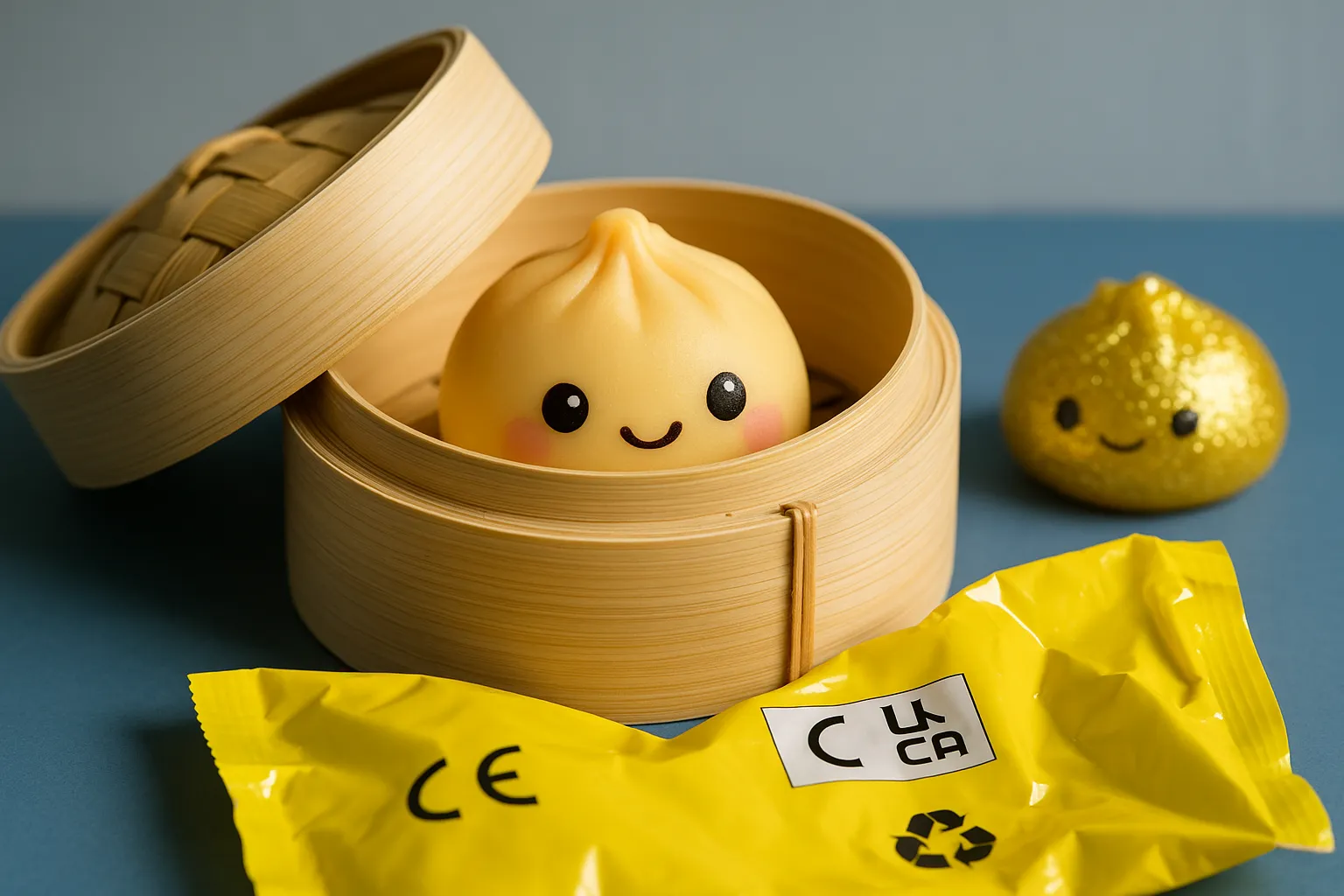
“Squeezy Dumplings,” which are designed to resemble bao buns and usually come packaged in small bamboo steamer-style containers, have been flagged by the Office for Product Safety and Standards (OPSS) for containing unacceptably high levels of benzene in some unbranded batches. Benzene exposure can lead to a variety of health issues, including irritation of the eyes, respiratory discomfort, and throat irritation.
Many iterations of these toy dumplings are being resold online, particularly rare versions embellished with glitter, with prices exceeding £20. Unfortunately, a surge of counterfeit versions is flooding the market, raising significant health concerns. Investigations have revealed that numerous imitation brands include dangerously high concentrations of benzene, among other hazardous substances.
In addition to benzene, different imitation toys have failed to pass standard UK toy safety evaluations. Concerns surrounding these imitations include the presence of harmful chemicals, overpowering chemical odours, and even unsafe water beads inside some products. Various authorities have initiated recalls on specific toys, but the most reliable way for parents to ascertain the safety of their child’s playthings remains a thorough inspection.
Trading Standards has taken action to seize unbranded or counterfeit squeezy dumplings due to their hazardous chemical content and failure to comply with essential safety regulations. For further details on current recalls and the risks associated with toxic chemicals in toys, parents are encouraged to consult the recent GOV.UK Product Safety Report.
When purchasing these popular toys, it is vital for parents to ensure their safety. The combination of “blind unboxing” experiences and squishy fidget toys has made dumpling squishies a hit among children, yet it is crucial to approach buying decisions carefully.
Which? strongly advises buyers to purchase from “reputable retailers and sellers,” as these vendors are far more likely to guarantee compliance with UK safety regulations. Well-known retailers in the UK, such as The Entertainer, Smyths Toys, B&M, and The Range, offer official “Squishy Dumpling” toys, with prices typically starting from £4.99.
If a toy still retains its packaging, there are specific indicators parents should look for to confirm its legitimacy. It’s important to locate the clear ‘CE’ or ‘UKCA’ markings, which denote that the product has undergone rigorous safety assessments.
Additionally, scrutiny of the packaging should reveal the name and address of a UK-based manufacturer. As Which? points out, “No address means that no one’s accountable if something goes wrong.” This emphasizes the importance of accountability in ensuring children’s safety.
Additionally, parents should engage their sense of smell as a tactile check on the toy’s safety. Which? advises that if a toy gives off a strong chemical smell upon unpacking, it’s best to discard it—and not to purchase it in the first place. Such due diligence can prevent unnecessary health risks.
As a growing number of children become enamored with these trendy toys, awareness around safety continues to be paramount. The rise in popularity creates a path for counterfeit products to enter the market, potentially endangering unsuspecting children. Parents must stay informed and vigilant when it comes to their children’s toys, ensuring they do not compromise on safety amidst the excitement of new trends.
Moreover, children are particularly vulnerable to the health effects posed by toxic substances, making parental awareness and verification even more crucial. As the toy market expands, it is not just the fun and engagement of play that should be considered but the welfare of young users as well.
In conclusion, while certain toys can provide joy and sensory stimulation for children, it is essential that parents remain proactive in safeguarding their health. Through careful purchasing decisions, diligent inspections of product safety indications, and a cautious approach to trading toys, families can enjoy peace of mind in a market that is increasingly crowded with potential hazards.
Our Thoughts
To prevent incidents like the one reported with the ‘Squeezy Dumplings’, several key actions could have been taken. Firstly, stricter enforcement of the UK’s Toys (Safety) Regulations 2011 would have ensured that manufacturers of these toys complied with safety standards, preventing harmful products from entering the market. Regular inspections and testing of toys for hazardous chemicals should have been mandated, particularly for items that are popular among children.
Furthermore, educating parents and guardians on identifying safe toys is crucial. Information campaigns could emphasize the importance of purchasing from reputable retailers that adhere to compliance standards, ensuring that products bear the necessary safety markings, such as the ‘CE’ or ‘UKCA’ logo.
Finally, enhancing transparency in the supply chain, including clear labeling of the manufacturer’s details, could promote accountability. By increasing awareness of counterfeit products and emphasizing the dangers of buying from unofficial sources, the risk of similar incidents could be significantly mitigated. This adherence to UK health and safety legislation could prevent hazardous toys from posing a significant risk to children’s health in the future.