














Story Highlight
– Obese kids as young as six may benefit from jabs.
– NHS clinics prescribe GLP-1 medications for serious cases.
– Average weight loss of 5kg reported among treated kids.
– Nausea risk significantly higher in children using jabs.
– Childhood obesity rates continue to rise globally, alarming.
Full Story
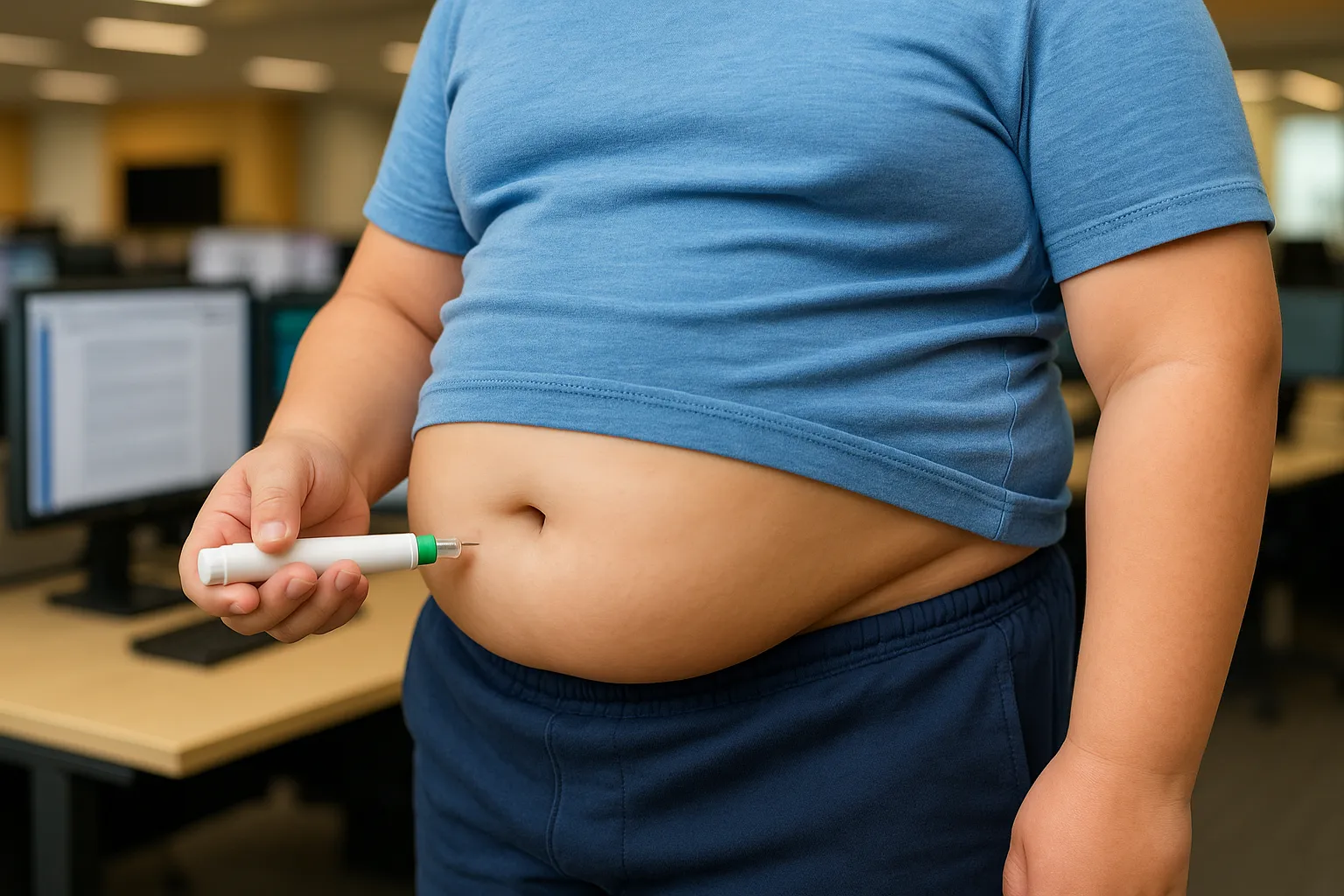
Recent research indicates that weight-loss injections could potentially assist children as young as six in managing obesity, marking a significant development in the approach to treating childhood obesity. These medications, referred to medically as GLP-1 agonists, have been administered under specific circumstances within specialised NHS clinics to young patients struggling with severe obesity and related health complications.
Current data reveals that about 400 adolescents aged 11 and older have been provided with these powerful weight-loss injections, including Mounjaro and Wegovy, through the NHS. Typically, these treatments are prescribed after other interventions have proven ineffective. However, a new investigation from Canadian researchers suggests that thousands more children, even those as young as six, could benefit from these injections, irrespective of whether they have diabetes.
The recent review highlights that these injections may not only contribute to weight loss but could also help manage associated health risks, such as elevated blood pressure, while enhancing overall quality of life for affected children.
Nonetheless, the study also raises concerns about side effects, particularly nausea, which appears to be more prevalent among younger users of the GLP-1 medications.
The researchers conducted a meta-analysis encompassing nine studies with over 750 participants aged between six and 18 who had been prescribed weight-loss injections for a minimum of six months. The average age of the children studied was 14 years. The medications examined included semaglutide, the active ingredient in drugs like Wegovy and Ozempic, as well as liraglutide, known in the UK as Saxenda.
The findings reported an average weight loss of approximately 5 kg among the children receiving the injections. Notably, those treated with semaglutide experienced the most significant outcomes, shedding up to 17.75 kg on average. Participants also exhibited a decrease in systolic blood pressure—a critical indicator of heart health—by 2.24 mmHg. In studies assessing heart rate, a drop of about 2.83 beats per minute was noted in the children receiving these treatments.
Moreover, the quality of life metrics for the children who received the injections showed improvement, underscoring the potential benefits of GLP-1 medications. The only notable safety issue identified was the heightened risk of nausea, which was reported to be three times more frequent in the children given these drugs compared to those receiving a placebo.
Dr Manpreet Kaur Oberoi, a specialist in adverse drug reactions from the University of Western Ontario, who contributed to the study, noted, “To our knowledge, this is the first study to report on changes in heart rate and quality of life scores for children treated with GLP-1s.” This highlights a crucial advancement in understanding both the efficacy and safety associated with these weight-loss treatments in paediatric populations.
The global context of childhood obesity is alarming, with UNICEF reporting that, for the first time, there are more children classified as obese than those who are undernourished. In 2024, childhood obesity rates have escalated dramatically this century, with the proportion of children aged five to 19 deemed dangerously overweight tripling from three per cent to 9.4 per cent since the year 2000. In the UK, this figure is even more concerning, with one in seven children affected. There are particularly high rates in the Pacific Islands, where the statistic rises to one in three.
Conversely, the incidence of underweight children has declined, dropping from 13 per cent to 9.2 per cent over the past 25 years across 190 nations, with only Sub-Saharan Africa and South Asia seeing a higher prevalence of starvation compared to obesity among children. Catherine Russell, director of UNICEF in New York, commented, “When we talk about malnutrition, we’re no longer just talking about underweight children.”
To substantiate the findings about GLP-1 treatments, larger and longer-term studies are essential, according to the research team. They advocate for further exploration into the long-term safety and effectiveness of these treatments, alongside a clearer understanding of their impact on the quality of life reported by patients.
This study’s findings are poised to be presented at the International Congress on Obesity taking place in Mexico City, showcasing cutting-edge research efforts in addressing one of the most pressing health crises of our time.
The growing prevalence of childhood obesity has prompted urgent discussions about the factors contributing to this phenomenon. Detrimental lifestyle changes, including increased consumption of fast food, heightened screen time, and sedentary behaviours, play a pivotal role in this epidemic. Recent NHS data indicates that roughly one-quarter of children in their first year of school and more than a third of those in year six are categorised as either overweight or obese.
The World Health Organization has similarly highlighted the staggering statistic that approximately 37 million children under five years of age are now classified as overweight globally, representing an increase of four million since 2000.
In the UK, it is estimated that around 1.5 million individuals are currently prescribed GLP-1 medications like Mounjaro and Wegovy for the treatment of obesity. Originally designed to regulate blood sugar levels, these drugs also effectively suppress appetite, leading to significant weight loss for many users. The implications of this research could lead to policy shifts and new treatment paradigms in addressing the childhood obesity crisis.
Our Thoughts
The article highlights concerns regarding the use of GLP-1 medication for weight loss in children, signaling the need for stricter adherence to health and safety legislation. Key lessons include the importance of comprehensive risk assessments prior to administering such treatments to young populations, as required under the Health and Safety at Work Act 1974.
Monitoring the safety of administered drugs and the awareness of potential side effects, such as increased nausea in this case, are also critical. The Medicines and Healthcare products Regulatory Agency (MHRA) guidance stresses the need for thorough post-marketing surveillance to ensure ongoing safety for vulnerable groups like children.
Additionally, implementing preventive measures against childhood obesity is crucial, emphasizing health education and promoting active lifestyles in schools, aligning with the Children Act 1989 which mandates the duty of care towards children’s health and well-being.
In summary, more rigorous risk assessments, better monitoring of side effects, and proactive health promotion could help prevent adverse events and improve the safety of medical interventions for childhood obesity.