













Story Highlight
– Nurse calls for training on adverse drug effects.
– Hospital admissions linked to harmful medication responses.
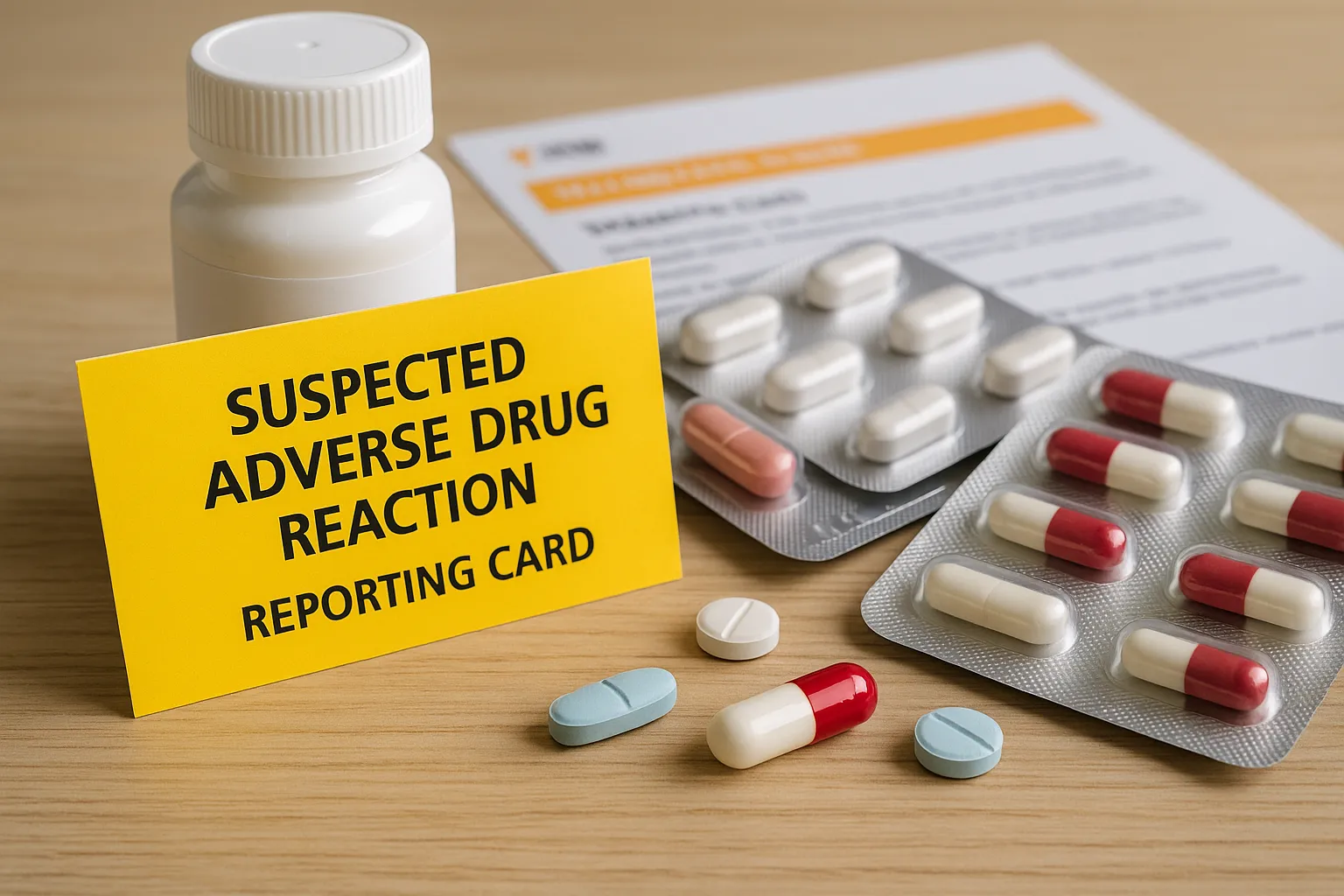
– Yellow card scheme reports ADRs, figures unclear in Guernsey.
– Public awareness needed for reporting adverse reactions.
– Health committee meeting described as open and positive.
Full Story
A senior nurse at the Princess Elizabeth Hospital is advocating for enhanced training to mitigate the risks associated with adverse drug reactions (ADRs), which she believes could decrease hospital admissions and fatalities. Sophie Robert, who has extensive experience in nursing, conveyed her concerns stemming from her observations of negative medication responses in patients.
Robert expressed the urgent need for improved comprehension of how to prevent these adverse effects. She argues that by fostering a solid understanding within the healthcare community, it may become possible to alleviate some of the strain faced by hospitals. However, the Committee for Health and Social Care (HSC) has opted not to provide a comment on her proposals at this time.
In the UK, the Medicines and Healthcare Products Regulatory Agency (MHRA) oversees a reporting system known as the yellow card scheme. This initiative allows anyone to report suspected side effects or adverse reactions related to any medications or vaccines they have received. Despite the existence of this system, reliable data on the prevalence of ADRs specific to Guernsey is lacking. Nationally, in 2020, the MHRA documented a total of 40,935 spontaneous suspected ADR reports.
Robert recounted a troubling incident involving a patient whose death followed a stroke shortly after initiating medication. Although the connection between the medication and the patient’s death could not be firmly established, the event highlighted for Robert the significant challenges in identifying the precise causes of adverse reactions to medications. She stated, “It made me realise the gaps in our services in terms of medicine safety. That’s not just related to yellow card reports but side effects and adverse effects.”
Given her experiences, Robert is pushing for more thorough training for healthcare professionals regarding the identification and management of adverse drug reactions. She also aims to empower members of the public, encouraging them to report any issues they encounter. “I want people to feel safe to report these things and not feel shut down,” she asserted.
Following a recent discussion with the HSC, Robert described the meeting as “open and positive.” She remains hopeful that her initiative will lead to advancements in training protocols. “I’ve seen the real good side of medicine, but I’ve also seen when medicine can harm. I think it’s urgent, I think it should be a real top priority,” she emphasised.
Dr. Linda Härmark, who serves as the Director of the Drug Safety Research Unit in the UK, echoed Robert’s sentiments regarding the importance of awareness surrounding adverse drug reactions. “It is very important to know more about adverse drug reactions,” she stated, underscoring the need for the general public to be educated on how to report issues effectively. Dr. Härmark noted that “the awareness about the yellow card system and who could report and why you should report, is generally quite low among the general public.”
She highlighted the significance of individuals reporting their experiences, as this action could contribute to prevention efforts and protect future patients from similar outcomes. “By reporting something that you have experienced, you can help prevent that happening to someone else,” she added.
As hospital staff face mounting pressures, the need for robust medication safety practices becomes ever more critical. With increasing complexities in patient care and medication regimens, healthcare providers must be well-equipped to manage and anticipate potential adverse effects. The call for additional training emphasizes the necessity of creating a safe environment for both staff and patients alike.
Several past incidents have demonstrated the repercussions of inadequate training and the challenges healthcare workers face when dealing with drug safety. With growing awareness, there is potential for systemic changes that could improve reporting practices and enhance patient safety in Guernsey and beyond.
Joining this dialogue, healthcare systems across the UK and globally are being urged to re-evaluate their training programmes in light of trends indicating rising ADR occurrences. The collaboration between healthcare professionals, regulatory bodies, and the public is paramount in addressing these concerns effectively and ensuring a higher standard of medical safety.
As conversations around medication safety continue to evolve, both Robert and Dr. Härmark’s insights serve to increase awareness about the realities of ADRs and the collective responsibility of reporting and education. As advocates for change, they represent a necessary shift towards prioritising patient safety and fostering an environment where healthcare professionals are equipped with the knowledge and tools to act preemptively against potential medication hazards.
This drive for reform may ultimately lead to a significant transformation in how healthcare systems approach the challenges posed by adverse drug reactions. As such, the implications of Robert’s advocacy not only hold the potential to reshape local practices in Guernsey but may also contribute to a broader understanding of medication safety in healthcare systems worldwide.
Our Thoughts
To prevent adverse drug reactions (ADRs) and related hospital admissions, several actions could have been taken. Firstly, enhancing training for healthcare professionals on monitoring and managing ADRs would be essential, aligning with the Health and Safety at Work Act 1974, which mandates employers to ensure the health and safety of employees. Improved education could lead to better identification and reporting of ADRs, minimizing risks to patients.
Additionally, fostering a culture that encourages transparent reporting of ADRs among healthcare staff and the public is vital. This aligns with the requirements set forth under the Control of Substances Hazardous to Health Regulations 2002, which emphasizes the importance of risk assessment and management.
The lack of reliable ADR incident data in Guernsey highlights a breach of the Reporting of Injuries, Diseases and Dangerous Occurrences Regulations 2013, which mandates the reporting of certain adverse incidents. Establishing robust data collection and analysis mechanisms would not only facilitate better recognition of ADRs but also inform policy and training needs.
Ultimately, by prioritizing training, encouraging reporting, and ensuring compliance with health and safety regulations, similar incidents of adverse drug reactions could be further reduced.