











Choose an AI chat
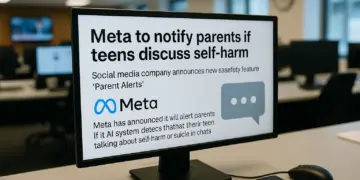
Meta revamps safety tools to protect teens from self-harm online
UK Health and Safety Latest

Meta revamps safety tools to protect teens from self-harm online

by Michael Harland
July 16, 2026
0

Meta has unveiled new safety tools aimed at protecting vulnerable users, particularly teenagers, from mental health risks online. A pivotal...

Read moreDetails
Hospitals face urgent improvement needs as CQC highlights staff shortages and safety concerns

Hospitals face urgent improvement needs as CQC highlights staff shortages and safety concerns

July 16, 2026
Energy drink sales to be banned for under-16s from April 2027

Energy drink sales to be banned for under-16s from April 2027

July 16, 2026
Nurse calls for enhanced training to prevent drug-related hospital admissions

Nurse calls for enhanced training to prevent drug-related hospital admissions

July 16, 2026
Steam trains banned nationwide due to wildfire risk

Steam trains banned nationwide due to wildfire risk

July 16, 2026

Archives

  • July 2026
  • June 2026
  • May 2026
  • April 2026
  • March 2026
  • February 2026
  • January 2026
  • December 2025
  • November 2025
  • October 2025
  • September 2025
  • July 2025
  • August 2009

Categories

  • Health and Safety Help
  • News
  • Policies
  • UK Health and Safety Latest
  • About
  • Advertise
  • Policies
    • Privacy Policy
    • Editorial Policy
    • Corrections & Complaints policy
  • Useful Documents
    • Understanding RIDDOR
    • 10 Workplace Safety Failures
    • A Complete Guide to Reporting Safety Incidents in the UK
    • Fire Risk Assessment: Meeting the Regulatory Reform (Fire Safety) Order
    • COSHH Basics: A Practical Guide to Control of Substances Hazardous to Health
    • Working at Height in the UK: The Essentials (WAH Regulations 2005)
    • Asbestos in the Workplace: Control of Asbestos Regulations 2012 (CAR) Essentials
    • Managing Contractors Under CDM 2015: Roles, Duties & Controls
    • DSE & Ergonomics: Healthy Workstations for Office & Hybrid Teams
    • Lock out Tag out LOTO
    • Workplace Transport Safety: Forklifts, Pedestrians & Traffic Management
    • Noise & Vibration at Work: Practical Controls (2005 Regulations)
    • Confined Spaces in the UK: Safe Entry under the Confined Spaces Regulations 1997
  • Contact
  • Agent
Friday, July 17, 2026
25 °c
London
20 ° Sat
18 ° Sun
19 ° Mon
  • Login
UK Safety News
  • Home
  • News
    • All
    • UK Health and Safety Latest
    Meta revamps safety tools to protect teens from self-harm online

    Meta revamps safety tools to protect teens from self-harm online

    Hospitals face urgent improvement needs as CQC highlights staff shortages and safety concerns

    Hospitals face urgent improvement needs as CQC highlights staff shortages and safety concerns

    Energy drink sales to be banned for under-16s from April 2027

    Energy drink sales to be banned for under-16s from April 2027

    Nurse calls for enhanced training to prevent drug-related hospital admissions

    Nurse calls for enhanced training to prevent drug-related hospital admissions

    Steam trains banned nationwide due to wildfire risk

    Steam trains banned nationwide due to wildfire risk

    Safety warning issued for anti-wrinkle injections following botulism cases

    Safety warning issued for anti-wrinkle injections following botulism cases

    Meta introduces new safety measures for its AI chatbot to protect vulnerable youth

    Meta introduces new safety measures for its AI chatbot to protect vulnerable youth

    U.K. proposes midnight social media curfew for older teens amid safety concerns

    U.K. proposes midnight social media curfew for older teens amid safety concerns

    Landlords face challenges in preparing for expanded Awaab's Law compliance

    Landlords face challenges in preparing for expanded Awaab’s Law compliance

    Social media curfew for older teens to tackle online harms

    Social media curfew for older teens to tackle online harms

    Trending Tags

No Result
View All Result
UK Safety News
No Result
View All Result
Home News UK Health and Safety Latest

Hospitals face urgent improvement needs as CQC highlights staff shortages and safety concerns

Jade Anderson by Jade Anderson
July 16, 2026
in UK Health and Safety Latest
Reading Time: 4 mins read
0
Hospitals face urgent improvement needs as CQC highlights staff shortages and safety concerns

Story Highlight

– CQC finds urgent care departments need immediate improvement.
– Staffing shortages and incorrect PPE usage reported in hospitals.
– Patients faced long delays for triage and treatment.
– Serious infection control failures observed during inspections.
– End-of-life care rating improved despite ongoing concerns.

Full Story

Emergency departments at the hospitals in Grimsby and Scunthorpe are in dire need of improvement, according to the recent findings by the Care Quality Commission (CQC). The CQC’s investigation revealed that both facilities are grappling with significant inadequacies, particularly a lack of experienced and skilled personnel.

Inspections, which took place in January 2026, reported notable instances of improper usage of personal protective equipment (PPE) and a failure among staff to perform hand hygiene between patient interactions. Such lapses in standard protocols pose a serious risk to patient safety and the overall quality of care.

Patients at Grimsby’s Diana Princess of Wales Hospital faced alarming delays, with an average wait of 56 minutes for triage from July to December 2025—nearly four times the recommended time frame. One patient’s condition worsened significantly during this waiting period, necessitating an urgent escalation of care, highlighting the critical state of the department. Reports from staff also indicated that patients were sometimes left in ambulances for as long as five hours due to overcrowding within the facility. Furthermore, from mid-2025, a concerning 30% of those requiring admission faced waits exceeding 12 hours for a hospital bed.

The findings from the CQC highlighted distressing issues in infection control practices at both hospitals. Observations indicated that staff across all levels failed to consistently remove PPE between tasks, and there was a notable deficiency in handwashing. Outdated medical equipment and medications, including intravenous fluids, were also discovered during the assessments.

Additionally, serious safeguarding concerns were raised regarding the waiting areas for children. The inspectors reported that adult patients were frequently directed to share the paediatric waiting area when the primary department was congested. Moreover, the layout at Scunthorpe General Hospital featured “blind spots” that compromised staff visibility over young patients, leading to fears about their safety.

In response to the feedback from the CQC inspection, the Humber Health Partnership, which oversees both hospitals, acknowledged the need for further enhancements. The Partnership stated that a clinically led improvement plan had been initiated, which they believe is already generating positive outcomes. A spokesperson for the partnership commented on the inspections, emphasizing that while they recognize the necessity for ongoing improvements, it was heartening to note that patients and their families reported positive experiences regarding the kindness and warmth of the staff during their treatment.

In a separate assessment, the CQC acknowledged significant strides in end-of-life care at both Grimsby and Scunthorpe hospitals. Following an inspection conducted in February, these services were upgraded from a rating of inadequate to good, indicating substantial improvements. The Partnership highlighted staff members’ exceptional dedication in providing care to patients nearing the end of their lives, reinforcing their commitment to uphold the highest standards of care with compassion and respect.

The overarching conclusion from the CQC’s reports points to a pressing need for enhancements within the emergency services at both hospitals. As patient safety becomes increasingly prioritised, it remains essential for the Humber Health Partnership to ensure that staffing levels are adequate and that medical protocols are strictly adhered to. The continued scrutiny from regulatory bodies like the CQC will be pivotal in determining the hospitals’ capacity to meet these challenges and provide the standard of care that the local community expects and deserves.

Moving forward, it will be crucial for the hospitals to address the highlighted deficiencies, particularly the staffing shortages, to ensure that emergency departments are able to function efficiently and effectively. Enhanced training and support for existing staff, alongside hiring initiatives to attract more qualified personnel, could form part of a robust strategy towards improvement.

Local residents, as beneficiaries of these services, will undoubtedly be watching closely for progress. The commitment of the Humber Health Partnership will be tested as they navigate the challenges ahead and strive to rebuild trust within the community they serve.

In light of these findings, it is imperative for health authorities to remain vigilant and proactive in managing hospital conditions to foster improved clinical outcomes for patients. The emphasis on patient-centred care must guide the reforms required in these vital healthcare services.

Our Thoughts

The CQC inspection findings from Grimsby and Scunthorpe hospitals highlight several critical safety failings that violate UK health and safety regulations. To prevent such issues, the following measures should be emphasized:

1. **Staffing Levels**: The hospitals faced a shortage of skilled staff, particularly paediatric nurses. Compliance with the Health and Safety at Work Act 1974 requires adequate staffing to ensure safe patient care. Regular workforce assessments and recruitment drives should be prioritized.

2. **Infection Control**: Improper use of PPE and inadequate hand hygiene were noted as significant issues. These breaches relate to the Health and Social Care Act 2008 (Regulated Activities) Regulations 2014, specifically regarding infection prevention and control. Comprehensive training on PPE usage and strict adherence to hygiene protocols must be enforced.

3. **Patient Waiting Times**: The unacceptable delays in triage highlight a risk to patient safety, contravening the Care Quality Commission (Registration) Regulations 2009 by failing to provide safe, effective care. Implementing better triage protocols and real-time patient flow monitoring could alleviate pressures during peak times.

4. **Equipment Maintenance**: The presence of out-of-date equipment breaches the Management of Health and Safety at Work Regulations 1999, necessitating routine checks to ensure all medical supplies are current.

These lessons are crucial for enhancing patient safety and promoting a culture of compliance within healthcare settings.


Tags: Health and SafetyPPE
SummarizeShare34Share197SendSend
ADVERTISEMENT
Jade Anderson

Jade Anderson

Jade Anderson is a safety and compliance reporter specialising in UK regulatory affairs, HSE prosecutions, and workplace injury news. With experience covering health and safety law and enforcement, Jade brings in-depth analysis of court cases, fines, and lessons learned from workplace incidents across the UK.

Related Posts

Council acts to ensure pupil safety amid asbestos concerns in play sand

Council acts to ensure pupil safety amid asbestos concerns in play sand

by Jade Anderson
May 13, 2026
0

Concerns around potential asbestos contamination in play sand have led North Tyneside schools to implement precautionary measures, including the temporary...

Millions of Brits at risk of addiction to over-the-counter painkillers

Millions of Brits at risk of addiction to over-the-counter painkillers

by Ellie Cartwright
May 28, 2026
0

A recent investigation reveals alarming statistics about the misuse of codeine in the UK, with around 10 million individuals potentially...

Leave a Reply Cancel reply

Your email address will not be published. Required fields are marked *

I agree to the Terms & Conditions and Privacy Policy.

Useful Documents

  • Understanding RIDDOR
  • 10 Workplace Safety Failures
  • A Complete Guide to Reporting Safety Incidents in the UK
  • Understanding RIDDOR
  • Fire Risk Assessment: Meeting the Regulatory Reform (Fire Safety) Order
  • COSHH Basics: A Practical Guide to Control of Substances Hazardous to Health
  • Working at Height in the UK: The Essentials (WAH Regulations 2005)
  • Lock out Tag out LOTO

Recent Posts

  • Meta revamps safety tools to protect teens from self-harm online
  • Hospitals face urgent improvement needs as CQC highlights staff shortages and safety concerns
  • Energy drink sales to be banned for under-16s from April 2027
  • Nurse calls for enhanced training to prevent drug-related hospital admissions
  • Steam trains banned nationwide due to wildfire risk

Recent Comments

  1. Piper Douglas on Worker dies due to inadequate machinery safety measures
  2. Natalie Coleman on New housing laws aim to tackle damp and mould crisis in England
  3. Simon Barrett on Honeymoon ruined by illness as newlywed suffers severe infection in Cape Verde
  4. Nolan Barrett on Work-related ill health in Great Britain remains a concern after pandemic peak
  5. Dylan Reeves on Sickness rates among Scottish police officers soar to troubling levels
UK Safety News

Copyright © 2026
UK Safety News

Navigate Site

  • About
  • Advertise
  • Policies
  • Useful Documents
  • Contact
  • Agent

Follow Us

Welcome Back!

Login to your account below

Forgotten Password?

Retrieve your password

Please enter your username or email address to reset your password.

Log In
No Result
View All Result
  • Home
  • News

Copyright © 2026
UK Safety News

This website uses cookies. By continuing to use this website you are giving consent to cookies being used. Visit our Privacy and Cookie Policy.