















Story Highlight
– Nationwide steam train ban due to heatwave risks.
– Tourists disappointed by sudden travel disruptions.
– Sparks from locomotives caused track-side blaze.
– Diesel locomotives introduced to prevent wildfires.
– Passengers offered refunds and complimentary cocktails.
Full Story
The current heatwave gripping the UK has significantly impacted travel plans for many Scots eager to ride the iconic Jacobite steam train. In a sweeping move, Network Rail has mandated a week-long suspension of all steam train services as a precaution against health and safety risks associated with the extreme temperatures.
Authorities have expressed concern that the operation of steam locomotives during this intense heat could lead to potential wildfires, heightening fears in light of the dry conditions prevailing across the nation. This measure, while crucial for safety, has left numerous tourists and rail enthusiasts disappointed just days before they were set to embark on their journeys.
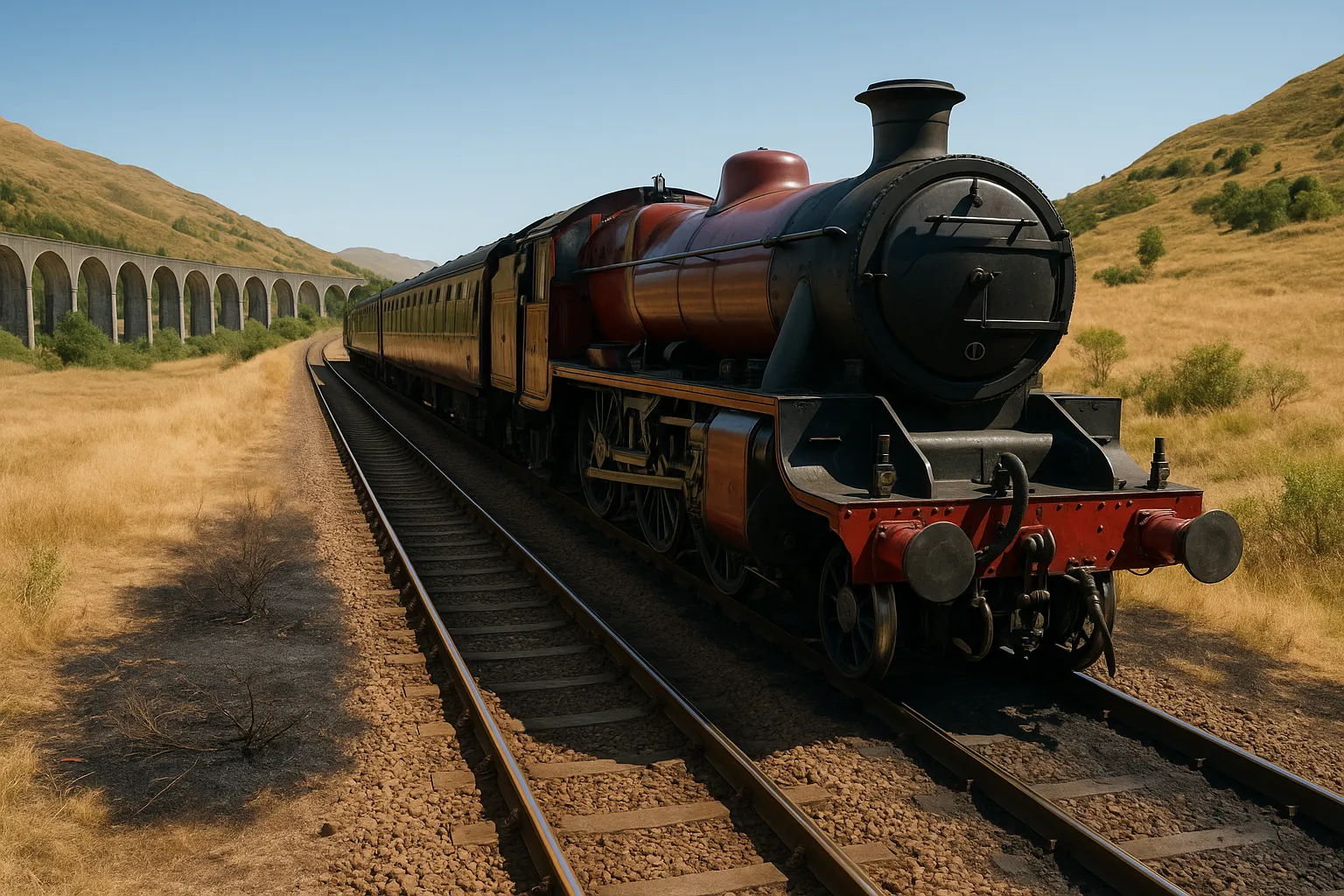
The decision was triggered by a troubling incident involving the famed Hogwarts Express, a popular attraction inspired by the widely celebrated Harry Potter films. As reported by the Scottish Daily Express, exceptionally high temperatures coupled with dry vegetation caused the locomotive to emit sparks during its route in Cheshire, igniting a small fire alongside the tracks. This event underscored the dangers of operating steam trains under the current weather conditions, prompting the decision to halt services.
As a consequence of this situation, several passengers found themselves stranded, leading to significant delays amounting to approximately 80 hours in some cases. The disruption necessitated the assistance of a diesel locomotive to transport one such train back to Crewe, covering a distance of 70 miles, on the 11th of July.
A representative from Network Rail stated, “The current long periods of hot dry weather have increased the risk of wildfires across the country. As a result, we have asked charter operators to replace steam engines with diesels in line with our steam charter fire risk policy.” This proactive approach aims to mitigate any further risks associated with steam operations during the heatwave.
Many passengers, particularly fans of the Hogwarts Express, expressed their frustration over the last-minute changes. One disgruntled traveler recounted their experience to The Sun, sharing their dissatisfaction at the replacement of the steam service with standard cars. “Poor show for the price. No steam train the day we went and regular blue and white intercity carriages. A lot of disappointed kids the day we were there. Nothing Hogwarts about it,” they lamented. Their attempt to reschedule their trip was met with disbelief, as they were informed the train was fully booked, despite noticing several empty spaces in their carriage.
The cancellations have not only affected the Hogwarts Express but also extended to other esteemed rail services, such as the Northern Belle, known for its luxurious experience, with ticket prices beginning at £595 per passenger. A spokesperson for the Northern Belle acknowledged the disappointment felt by both the company and its customers, stating, “Obviously this is a big disappointment for both us and many of our passengers. But there is a very high fire risk after all the recent hot weather so we are using a heritage diesel locomotive instead.”
To alleviate some of the discontent among travelers, the Northern Belle has introduced a compensation package for affected customers, which includes a £50 refund and a complimentary cocktail during their journey. Such gestures are aimed at softening the blow of the unexpected service alteration.
As the heatwave continues to pose a challenge across the UK, travel restrictions and modifications related to steam train operations are likely to remain in effect until conditions improve. With concerns for public safety at the forefront, rail operators must navigate between maintaining service integrity and ensuring that the environment is protected from potential hazards.
In the broader context, this incident brings attention to the vulnerability of historical railway services in the face of climate-induced weather extremes. The interplay of tradition and modern safety standards highlights the necessity for ongoing dialogue among operators, environmental experts, and tourism bodies to create responses capable of sustaining heritage rail experiences while prioritizing public safety.
As temperatures remain high, officials will continue monitoring the situation closely. The aim is to prevent any further incidences of wildfires and maintain the cherished history and culture associated with steam travel. While alterations to services are understandably frustrating for enthusiasts and tourists alike, the commitment to ensuring safety remains paramount during this unprecedented weather event.
In conclusion, while the heatwave may have tempered travel enthusiasm temporarily, it is a stark reminder of the need for adaptability in the face of climate change. For many, the allure of steam travel remains a potent symbol of nostalgia and adventure, one which will, hopefully, soon return to the tracks as conditions permit. For now, both operators and passengers alike are left hoping for more temperate weather ahead.
Our Thoughts
The article highlights a critical health and safety concern regarding the use of steam trains during a heatwave in the UK. To avoid the disruption caused by sparks igniting wildfires, several actions could have been implemented:
1. **Proactive Risk Assessment**: Operators failed to adequately assess and mitigate the risks associated with operating steam trains in high-risk conditions. Following the guidance of the Management of Health and Safety at Work Regulations 1999, a thorough risk assessment should include environmental factors that may increase fire hazards.
2. **Communication and Contingency Planning**: Clear and timely communication with customers about the potential for cancellations due to environmental safety considerations could have minimized disappointment. The Consumer Rights Act 2015 emphasizes the necessity of informing consumers regarding changes to services.
3. **Regulatory Compliance**: The steam ban aligns with the Health and Safety at Work Act 1974, but earlier proactive measures could have been decided to avoid operational disruptions. Implementing alternative transport modes at the first sign of escalating fire risk would have aided in compliance and safety.
These lessons emphasize the need for continuous monitoring of environmental risks and the importance of prompt action to safeguard both passengers and infrastructure during extreme weather events.