













Story Highlight
– June 2026 recorded highest A&E attendances ever.
– 106,667 people visited emergency departments in June.
– 13,612 more attended hospitals compared to five years ago.
– NHS experiencing record-high demand amid heatwave conditions.
– Health chiefs anticipate busiest summer in NHS history.
Full Story
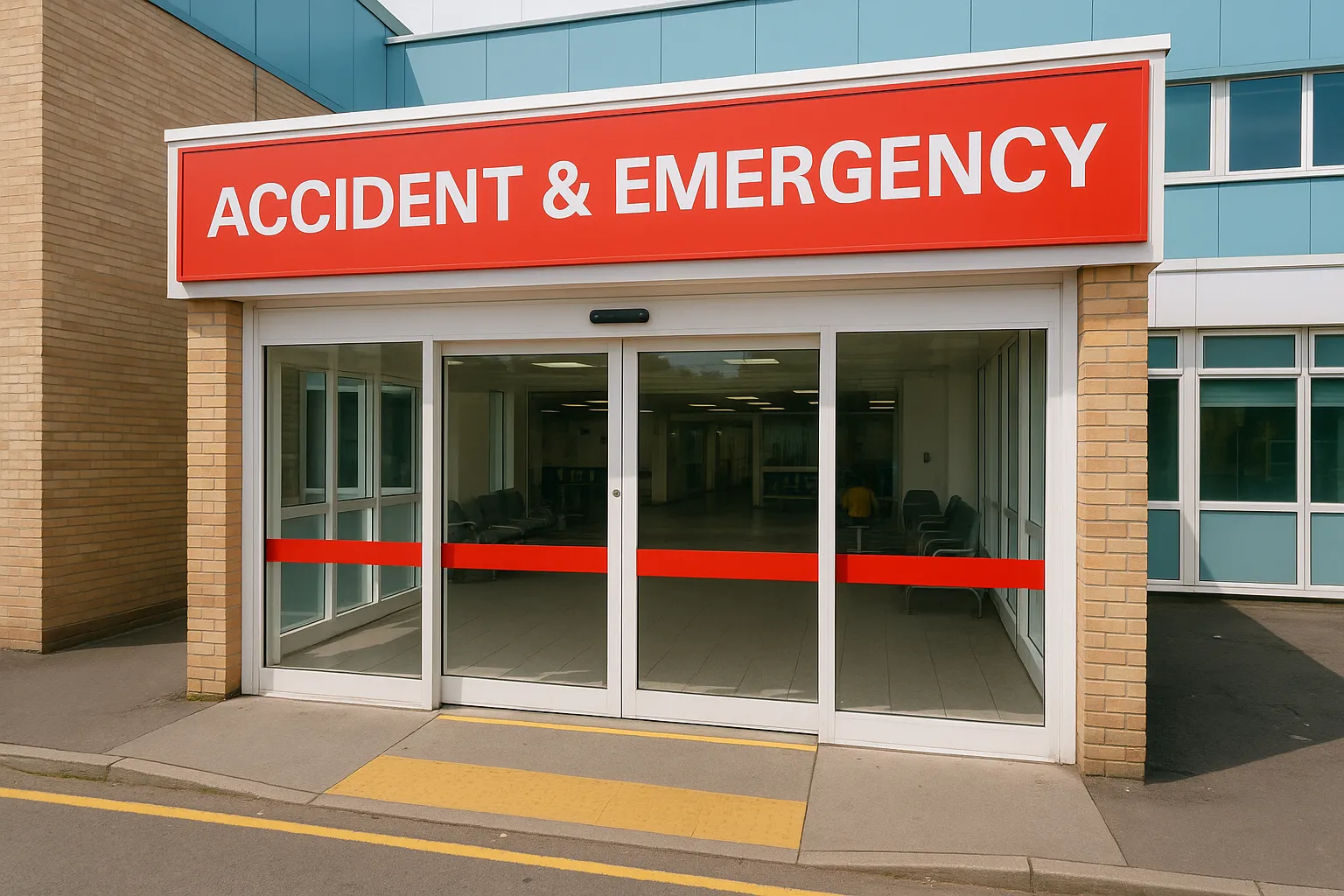
NHS departments in the North East faced unprecedented demand in June, as accident and emergency (A&E) visits reached record levels. According to an analysis of data from NHS England, reported attendance at emergency departments and minor injury clinics soared, with 106,667 individuals seeking care during the month. This figure marks an increase of over 5,000 patients compared to the previous year and a staggering rise of 13,000 compared to June 2022. This equates to an average of approximately 3,500 people attending A&E each day.
The pressure felt by hospital trusts across the North East was amplified by a significant rise in patient numbers compared to the past five years. Specifically, data indicates an increase of 13,612 individuals accessing hospital services, with four out of the five acute NHS hospital trusts in the region reporting year-on-year increases. This surge underscores the persistent demand for healthcare services in the face of changing circumstances and challenges.
Amidst these rising figures, health officials have pointed to the recent heatwave and its accompanying health risks as contributing factors to the increased footfall in A&E departments. In response, the North East Ambulance Service has launched its inaugural summer safety campaign aimed at educating the public and promoting health awareness during times of heightened demand.
Samantha Allen, the chief executive of the North East and North Cumbria NHS Integrated Care Board, acknowledged the dedication of healthcare staff throughout June. She characterised this summer as potentially “the busiest in NHS history.” Allen noted, “This is set to be the busiest summer in NHS history, with A&E attendances already at a record high for June, amid record heatwaves and the World Cup. Yet healthcare staff continue to show incredible commitment, compassion and resilience every single day.”
On a national scale, the pressures faced by the NHS were similarly pronounced, with an average of 81,264 patients visiting A&E daily throughout June. The NHS termed these figures as record-breaking, indicating that the three busiest months in the service’s history all occurred this year.
To gain a clearer picture of how various NHS trusts managed this surge, a review of attendance figures from several local trusts is informative. For instance, the Newcastle Hospitals NHS Trust, which oversees A&E operations at the Royal Victoria Infirmary and multiple urgent treatment centres, recorded attendances climbing from 20,891 in June 2022 to 23,774 in June 2026.
Meanwhile, the Northumbria Healthcare NHS Trust, responsible for the A&E at the Northumbria Specialist Emergency Care Hospital in Cramlington and treatment centres across Northumberland and North Tyneside, experienced a remarkable jump in attendances, with figures rising from 20,081 in June 2022 to 225,347 in 2026.
In Gateshead, the Gateshead Health NHS Trust, which manages the A&E at Queen Elizabeth Hospital alongside various urgent treatment centres, noted an increase from 9,659 in June 2022 to 10,729 in June 2026.
South Tyneside and Sunderland NHS Trust, which operates A&E services at Sunderland Royal and South Tyneside Hospitals in addition to urgent treatment facilities, also reported increased attendances from 20,446 in June 2022 to 22,555 in June 2026.
Finally, the County Durham and Darlington NHS Trust, which encompasses A&E departments in Durham and Darlington, experienced a rise from 21,978 attendances in June 2022 to 24,262 in June 2026.
The trends observed in these statistics are not isolated; they highlight a growing concern within the NHS regarding capacity and resources in responding to the increased demand for urgent care. Hospital trusts are grappling not only with the immediate pressures but also the implications of such rising attendance figures on overall service sustainability and patient care.
Experts have expressed the importance of understanding these dynamics within the healthcare framework, suggesting that prolonged periods of high demand can lead to strain on both staff and facilities. This situation presents an urgent call to action for health authorities to assess existing resource allocations and consider strategic interventions to bolster the resilience of healthcare services.
In light of these developments, a dedicated WhatsApp community has been established for breaking news and major stories, allowing members of the public to stay informed about significant updates. Moreover, for those wishing to receive regular news updates, ChronicleLive offers a free daily newsletter that delivers the latest information directly to subscribers.
As the summer months continue, the emphasis on health and safety remains critical as individuals are encouraged to seek appropriate care while also taking precautions against the backdrop of record-high patient attendance at emergency services across the region. The combined efforts of healthcare professionals, emergency services, and public awareness campaigns will be vital in navigating the ongoing challenges within the NHS framework.
Our Thoughts
The significant rise in A&E attendances in June 2026 highlights the urgent need for improved planning and resource allocation within the NHS, particularly during peak times influenced by external factors such as heatwaves and major events. To mitigate such overwhelming pressures, better forecasting and staffing strategies could be implemented to align with predicted increases in patient volumes.
Key lessons include the importance of having adequate emergency preparedness plans, which are in line with the Health and Safety at Work Act 1974. This legislation mandates that employers ensure safe working conditions, which extends to maintaining manageable workloads for healthcare staff to prevent burnout and maintain quality patient care.
Without adequate preparation for seasonal influxes, the NHS risks breaching regulations pertaining to employee welfare, specifically the Management of Health and Safety at Work Regulations 1999, which require assessing risks and planning for adequate resources. Enhanced public health campaigns to educate the public on alternative care options during peak periods, as well as investment in primary care services, could also alleviate pressure on A&E departments and prevent similar crises in the future.