















Story Highlight
– 26 agricultural workers can win free safety training.
– Course focuses on risk assessment and workplace hazards.
– Raffle entry requires job description and contact details.
– Announcement coincides with Farm Safety Week in UK.
– Courses scheduled for November 2026 and January 2027.
Full Story
A new initiative launched by NFU Mutual’s Risk Management Service, in partnership with the Institution of Occupational Safety and Health (IOSH), is offering up to 26 agricultural workers the opportunity to participate in a complimentary farm safety training programme. This opportunity is particularly pertinent given the high-risk nature of the farming sector in the UK.
The forthcoming course is designed specifically for individuals tasked with managerial roles in agriculture. Participants will gain insights into essential areas such as conducting risk assessments, identifying workplace hazards, implementing effective safety measures, understanding their legal responsibilities, investigating incidents, and assessing safety performance.
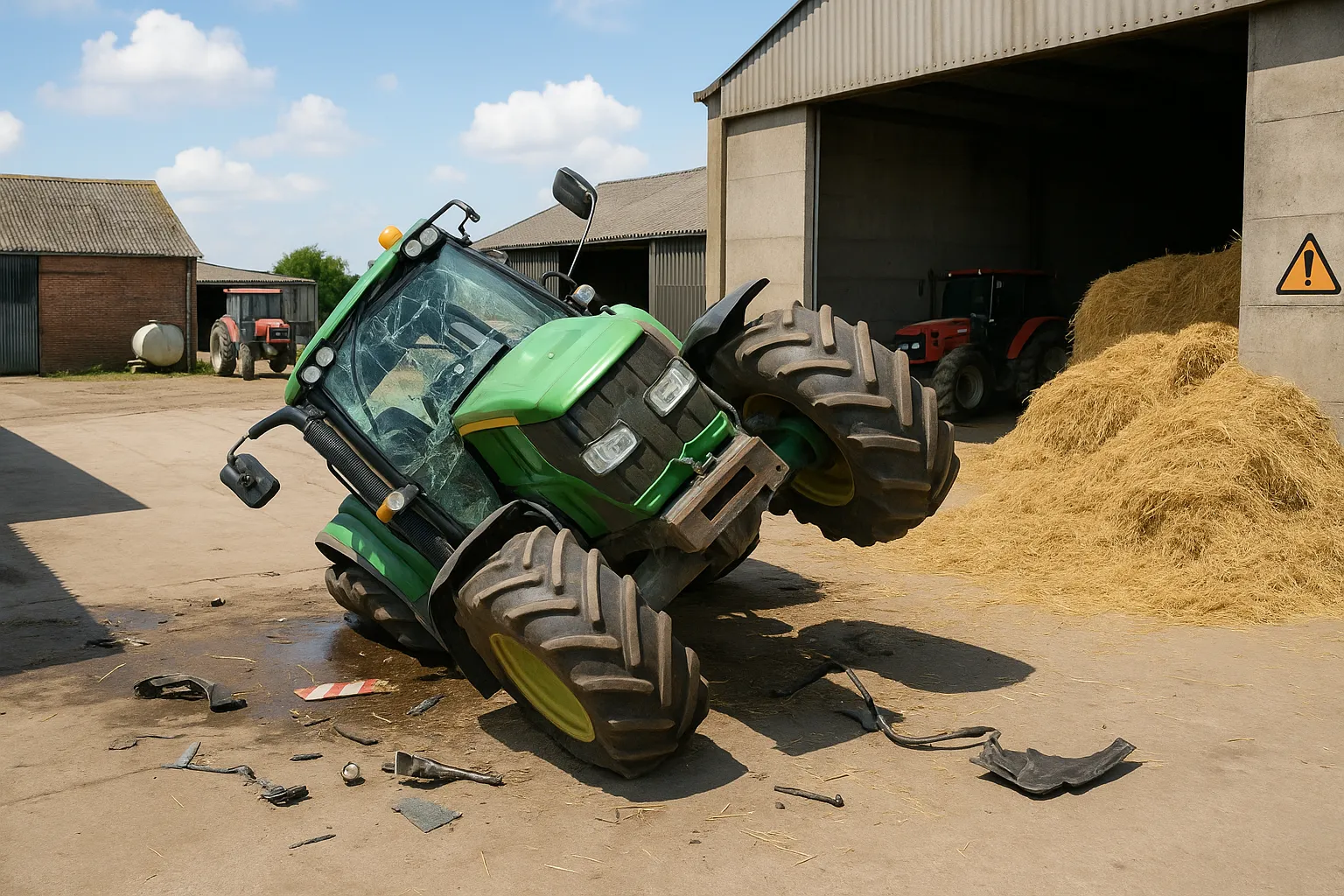
This initiative was unveiled in the context of the Farm Safety Foundation’s annual Farm Safety Week, which this year draws attention to the severe injuries that can result in long-term changes to many lives within the agricultural industry. The focus underscores the critical need for improved safety practices on farms across the UK, where incidents and injuries remain alarmingly high.
Helena Phillips, a technical consultant at NFU Mutual, emphasised the significance of this course, stating, “Farming is a demanding and often high-risk industry, and has a shockingly poor safety record. Good health and safety management plays a vital role in protecting people, businesses, and rural communities. By offering free places on the IOSH course, we hope to equip agricultural workers with practical knowledge and confidence they can take back to their businesses.”
The selection of candidates for this training will take place through a raffle system, where interested workers can enter by providing their personal details and a brief description of their current roles within the industry. This approach aims to make the program accessible to a wide range of workers, ultimately benefiting the agricultural community as a whole.
Stephanie Berkeley, who manages the Farm Safety Foundation, expressed her support for the collaborative efforts between IOSH and NFU Mutual’s Risk Management Service. She remarked, “We are proud to support the action being taken by IOSH and NFU Mutual’s Risk Management Services. Four days to learn how to manage safety in agriculture is a good investment for your farm business, for your people and for the future of the industry.”
The IOSH-approved “Managing Safely in Agriculture and Rural Industries” course is scheduled to be held at The Grange in Leicestershire, with two sessions running from 24-27 November 2026 and 19-22 January 2027. This setting is chosen to facilitate a comprehensive learning environment for participants, allowing them to engage deeply with the course content and practical applications.
For those wishing to participate in the draw for one of the funded places, entries can be submitted through a form accessible on the IOSH website. The deadline for submission is midnight on Friday, 21 August. This raffle not only aims to fill the training slots but also aims to foster a culture of safety across the agricultural sector, thereby potentially reducing the number of accidents.
The agricultural sector, integral to the UK’s economy, faces unique challenges regarding health and safety. Current insights reveal that the industry suffers a disproportionately high rate of serious injuries and fatalities. With farming environments often hazardous, the importance of robust training in health and safety practices cannot be overstated.
According to agricultural safety experts, enhancing awareness around risk management is vital. This course intends to bridge knowledge gaps and empower farm managers with the skills needed to foster a safer working environment for their teams.
Participants will learn about numerous topics critical to maintaining safety in agricultural settings, including the importance of proactive risk management and the development of comprehensive safety plans. As farming can involve complex machinery, livestock, and varying environmental factors, the need for thorough risk assessment processes is evident.
Moreover, the course seeks to instil a mindset focused on continuous improvement and safety culture within the agricultural community. A significant aspect of the training will be dedicated to incident investigation, an area often neglected but crucial for understanding the root causes of accidents and preventing future occurrences.
With increased focus on regulation and safety compliance, agricultural businesses are recognising the financial and ethical imperatives of investing in safety training. The potential benefits include not just reducing the risk of accidents, but also enhancing productivity and workforce morale—a key factor in a sector that often grapples with attracting and retaining skilled labour.
As the deadline for the raffle approaches, many in the agricultural sector are urged to consider the long-term advantages of such training opportunities. The joint initiative by NFU Mutual and IOSH marks a significant stride towards fostering safer farming practices, ensuring that more workers are equipped with the necessary tools and knowledge to mitigate risks in their day-to-day operations.
For those involved in agriculture, this programme could represent a turning point not only for personal development but also for the broader community’s emphasis on health and safety, helping to safeguard lives and promote sustainable farming practices for the future.
Our Thoughts
The announcement of a farm safety training course highlights significant gaps in existing health and safety practices within the agricultural sector, which is notably marked by a poor safety record. To prevent incidents and enhance safety culture, several measures could have been implemented.
Firstly, proactive risk assessments should be a continual process, not just a reactionary measure. Employers need to establish and regularly review safety management systems in line with the Health and Safety at Work Act 1974, ensuring all workplace hazards are identified and mitigated effectively.
Additionally, there appears to be a lack of compulsory training for all agricultural workers. The Management of Health and Safety at Work Regulations 1999 mandates the provision of adequate training. Instead of offering limited free places on the training course, mandatory training for all employees in safety awareness and incident response could significantly reduce risks.
Moreover, fostering a culture of safety where employees feel empowered to report hazards without fear of retribution could address the “fear culture” linked to under-reporting of accidents. Regular safety audits and active employee engagement in safety protocols could further prevent similar incidents in the future.
In summary, comprehensive training, ongoing assessments, and an open safety culture are vital to improving agricultural safety standards.