
















Story Highlight
– Over 200 deaths linked to weight loss jabs reported.
– 15,000 serious adverse effects recorded with fat jabs.
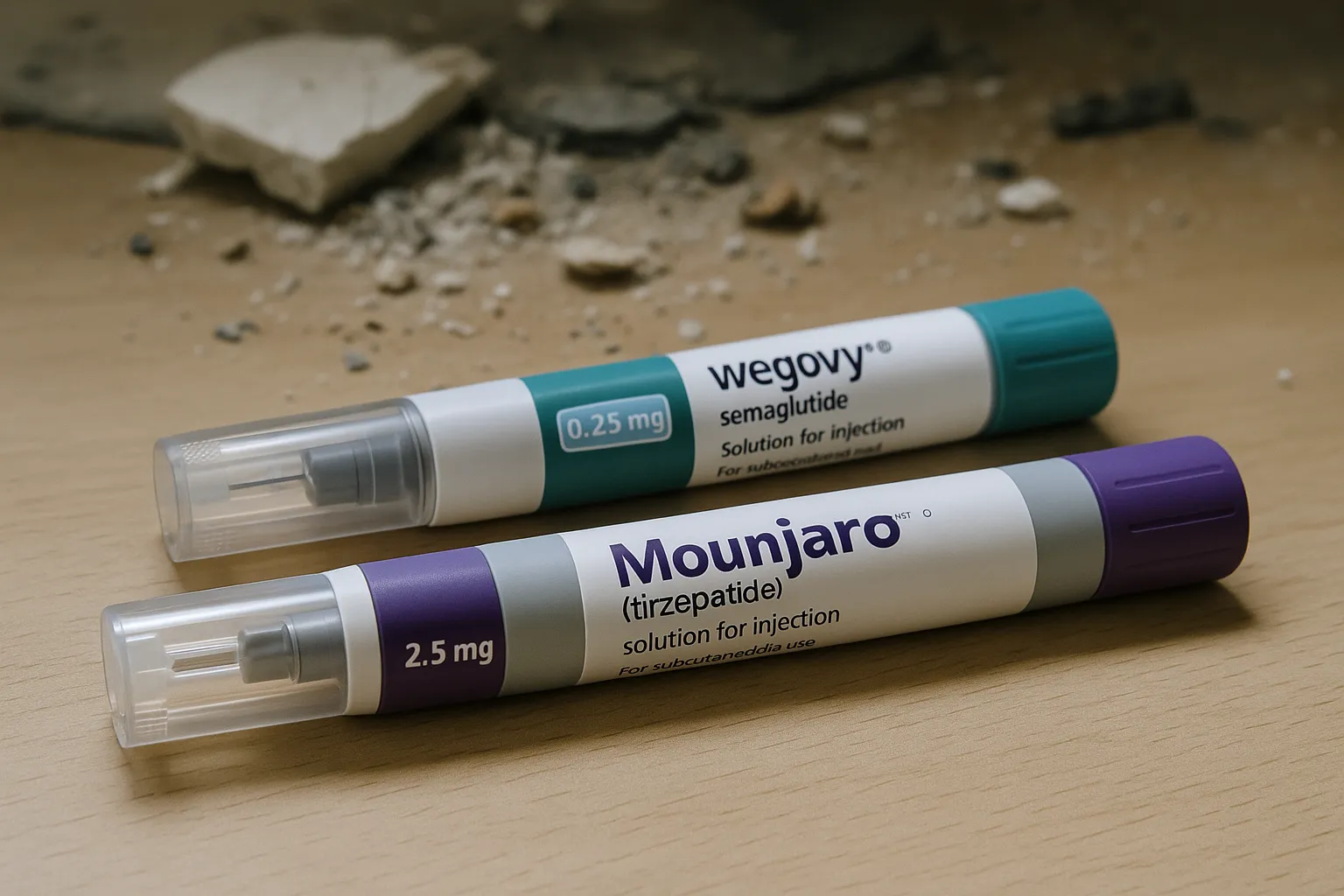
– Mounjaro, Saxenda, and Wegovy associated with various fatalities.
– 1.6 million people using weight loss drugs in the UK.
– Ongoing monitoring of safety and side effects by regulators.
Full Story
Recent reports have surfaced indicating that over 200 fatalities may be associated with the weight loss medications Mounjaro and Wegovy. These revelations have raised significant concerns, as they also correspond with a staggering 15,000 reports of serious adverse effects linked to these medications, as documented by the UK’s drug regulatory body.
The Medicines and Healthcare products Regulatory Agency (MHRA) has released figures showing that there have been numerous death reports potentially connected to these controversial drugs. Specifically, the organization noted that approximately 120 deaths could be tied to Mounjaro, 37 to Saxenda, and 59 to Wegovy. However, it is crucial to clarify that there is currently no definitive proof linking these tragic deaths directly to the medications themselves. Factors such as pre-existing health conditions may have played a role in these incidents.
The comprehensive statistics encompass a total of 158,000 reports of non-serious side effects related to various weight-loss medications, which include Saxenda (liraglutide), Wegovy (semaglutide), and Mounjaro (tirzepatide). A closer examination of these figures reveals that more than 106,000 adverse events have been reported for Mounjaro alone, while Saxenda and Wegovy saw around 4,400 and 48,000 adverse reactions respectively.
An analysis from The Times highlighted that approximately 10,000 serious side effects were associated with Mounjaro, 734 with Saxenda, and 4,800 with Wegovy. These findings were compiled through the MHRA’s Yellow Card Scheme, designed to capture information from patients, healthcare providers, and family members regarding safety concerns and side effects linked to medications.
Among the individual cases that have attracted attention is that of Caroline Savage, who tragically died after experiencing sudden and debilitating pain shortly after increasing her Mounjaro dosage. Although the official inquest has not yet determined whether Mounjaro was a contributing factor in her death, her family has voiced their apprehension that other possible explanations for her condition were insufficiently explored.
According to the MHRA, the significance of these reports should be understood within the broader context of the millions of prescriptions for GLP-1 receptor agonists issued across the UK. A spokesperson from the agency emphasized that the volume of reports can be influenced by factors such as increased medication use and heightened awareness among patients and healthcare practitioners regarding possible adverse effects.
Health Secretary Yvette Cooper commented on this issue during an interview, reaffirming the robust health safety regulations in place and emphasizing the importance of ongoing monitoring of adverse reports. “We have a whole system of health safety regulations in place where experts will do monitoring of any adverse impacts, of any safety reports, any concerns that are raised,” she stated. She underscored the value of having a centralized National Health Service (NHS) system that allows for the comprehensive collection and assessment of safety concerns regarding medications.
In January, the MHRA updated the product information for these weight-loss medications, issuing stronger warnings about the potential risks, notably the “small risk of severe acute pancreatitis” associated with their use. The increasing popularity of weight-loss drugs in the UK has been notable, with recent research indicating that approximately 1.6 million individuals are now using these treatments. Reports suggest that, on average, a prescription for a weight-loss jab was dispensed within the NHS every seven seconds throughout the previous year.
The relationship between weight-loss jabs and adverse health outcomes continues to be a focus of scrutiny. Research has highlighted a concerning uptick—more than a 300 per cent rise in serious reactions associated with Mounjaro in one year. This spike in reported complications has prompted a thorough examination by health authorities, including ongoing investigations into specific cases, such as that of a Scottish nurse believed to be the first UK fatality linked to a weight loss injection.
Commonly reported side effects from these medications include nausea, vomiting, digestive issues, and reduced appetite. While these may be tolerable for many patients seeking effective weight-loss solutions, there are more severe risks. These include the potential for pancreatitis, kidney complications, and the chance of developing thyroid tumours—though the latter risk is primarily based on animal studies and not definitively confirmed in humans.
Concerns have been raised regarding a lack of thorough investigation into the underlying causes of medical emergencies potentially associated with weight-loss jabs. This issue was highlighted in the instances of Caroline Savage and Susan McGowan, who died after administering their prescribed doses of Mounjaro. Family members in these instances expressed worry that doctors may have too readily attributed severe symptoms to the medications without adequately exploring alternative explanations.
Pharmaceutical companies, including Novo Nordisk and Eli Lilly, have reiterated their commitment to patient safety, emphasizing the importance of professional oversight in prescribing these treatments. Both companies have urged patients to report any adverse effects to their healthcare providers and to utilize the MHRA’s Yellow Card scheme for reporting purposes.
As the conversation around the safety of weight-loss jabs continues, it remains crucial for patients and health professionals to stay vigilant and informed regarding potential side effects and the ongoing monitoring of these medications. With millions relying on these treatments for weight management, ensuring their safety is of paramount importance.
Our Thoughts
To avoid the reported adverse effects and fatalities linked to the weight loss jabs Mounjaro, Saxenda, and Wegovy, several key safety measures could have been implemented:
1. **Enhanced Patient Monitoring**: Strict monitoring protocols should be established for patients prescribed these medications, focusing on identifying adverse reactions early. Regular follow-ups could help distinguish between drug-related issues and unrelated underlying conditions.
2. **Comprehensive Risk Assessments**: Prior to prescribing these medications, healthcare professionals should conduct thorough risk assessments, taking into account patients’ medical histories and potential contraindications.
3. **Clearer Guidance and Warnings**: The MHRA should ensure that product information includes robust warnings about potential serious side effects, like pancreatitis, and outline proper emergency protocols to follow when adverse symptoms arise.
4. **Reporting Mechanisms**: Strengthening the reporting mechanisms, such as the Yellow Card Scheme, to ensure comprehensive data collection and analysis on adverse effects can help identify trends that require immediate attention.
The regulatory framework, namely the Medicines Act 1968 and related guidelines, appears to have been insufficiently enforced in regard to the monitoring and management of these drugs’ safety profiles. To prevent similar incidents, a more proactive approach in drug surveillance and patient safety is essential.