














Story Highlight
– Cotswold Council investigates visitor illness reports at park.
– Park states water quality remains normal and safe.
– Concerns linked to campylobacter bacteria raised online.
– Authorities found no direct link to reported illnesses.
– Council urges unwell visitors to consult their GP.
Full Story
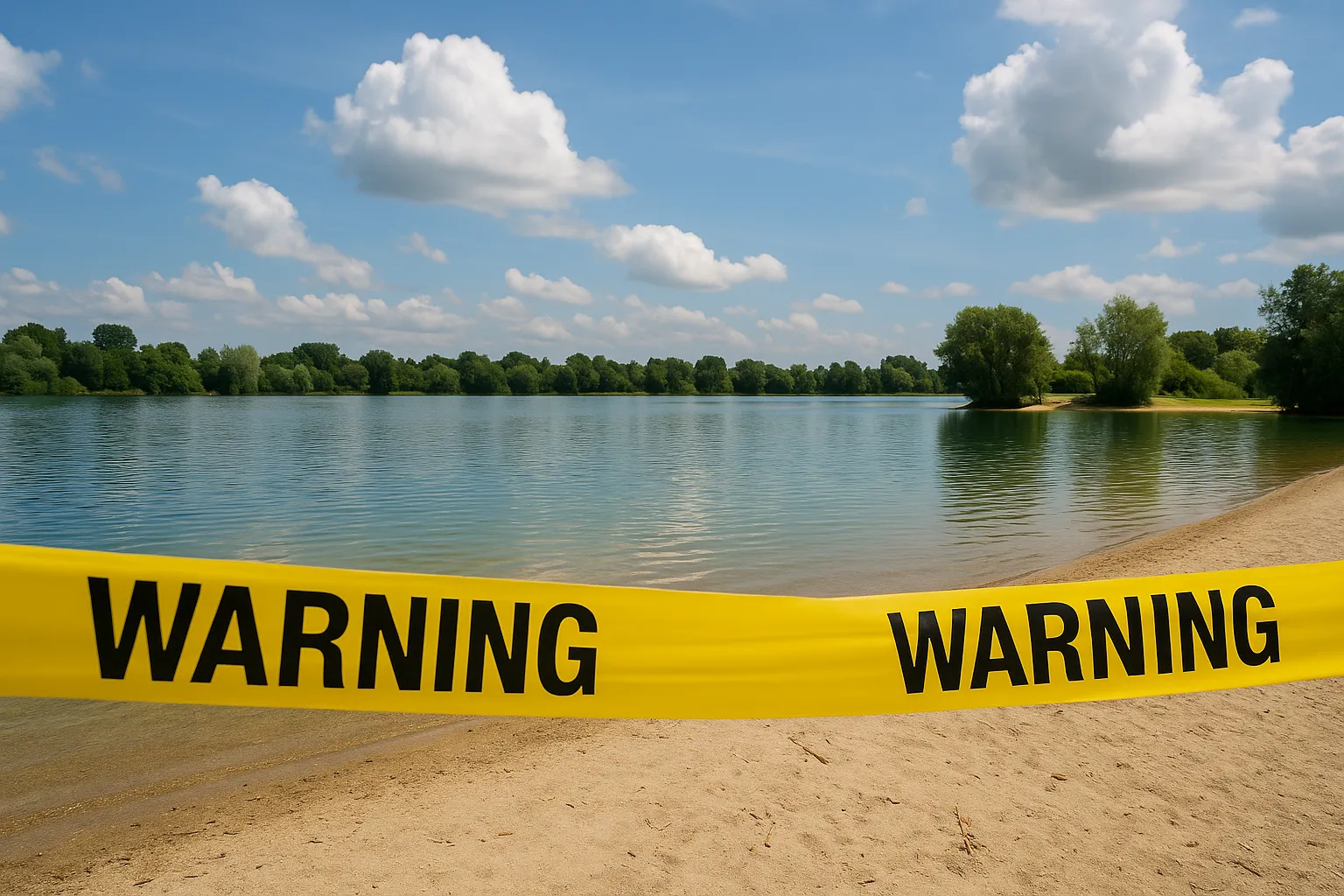
Cotswold District Council has announced the commencement of an investigation following alarming reports from recent visitors to the Cotswold Country Park & Beach. This attraction, situated within the scenic Cotswold Lakes, has maintained that it is currently safe for swimming and that the water quality remains within acceptable parameters.
In a statement released on Thursday, August 13, a spokesperson for the venue acknowledged the growing concerns that have been circulating on social media regarding water quality and its potential implications for public health. “We are aware of recent social media posts and comments circulating regarding the water quality at our facility and the potential impact on public health,” the spokesperson explained.
The park’s management has emphasized their commitment to addressing these issues, stating that they have been collaborating closely with several authorities. These include Thames Water, the local environmental health body, the Environment Agency, and the UK Health Security Agency. “We have sought confirmation regarding the safety of our bathing waters. Based on the results and information available to us from the authorities listed above, we can confirm our facility remains safe for bathing and the water quality is normal,” they added.
Among the specific allegations raised online was mention of campylobacter, a bacterium commonly linked to foodborne illnesses. authorities at the park were quick to clarify, “There is no established evidence of a direct link between our bathing water and the illnesses being referenced online.”
The context of these statements arises from a concerning post shared anonymously in a local Cheltenham group last week. This post alleged that a significant number of individuals who visited the Cotswold Lakes on August 9 had reported falling ill, experiencing symptoms such as “severe sickness and diarrhoea along with a raging temperature.” Additionally, a local mother recounted her experience regarding her two sons, who became ill after attending a birthday party at the Cotswold Country Park & Beach at the end of July. She revealed that one of her sons had been hospitalized three times and required an overnight stay due to a high fever. Furthermore, the mother indicated that both her children, along with others, tested positive for campylobacter, a pathogen identified by the World Health Organization as a leading cause of gastroenteritis globally.
To address these health concerns, the Cotswold Country Park & Beach also released an analysis report regarding an algal incident conducted by the Environment Agency, concerning the North shore of the Lake 32 waterbody dated August 12. The report noted the detection of 8,000 cells per millilitre of Aphanocapsa, which is classified as a genus within a broader group of bacteria. This finding fell below the cautionary threshold of 20,000 cells per millilitre. Further clarification was provided in the park’s statement, which indicated, “The Aphanocapsa count shown on the report is the only count detected; no other taxons are listed on the report because they were not found to be present in the lake sample.”
The facility reiterated its commitment to ongoing monitoring of water quality, explaining, “We conduct water quality testing weekly, with samples sent to a professional laboratory for analysis. Additionally, during the peak season, the Environment Agency conducts its own testing twice a month, with a lower frequency during off-peak months.” In light of the social media discourse, the spokesperson sought to alleviate public concerns, urging individuals to avoid relying on unfounded claims and speculation. “The information currently being circulated is not supported by the facts and the testing evidence available to us. There is not an established direct correlation between our bathing water and the alleged illnesses being referenced online. The safety and wellbeing of our customers remain our highest priority.”
In response to the growing number of reports, a representative from Cotswold District Council also offered insight into the ongoing investigations. “We are aware of some reports made by people who have visited Cotswold Country Park & Beach in the last three weeks. We are currently working with stakeholders and investigating these reports,” they stated. The council is actively encouraging visitors who experienced illness after their trip to consult their GP. For those who possess information that could assist the investigation, they have been urged to reach out via email.
The statement from the council also reminded the public to exercise caution regarding food safety during warmer weather, alongside the inherent risks associated with open-water swimming. Official guidance on these matters can be accessed through designated government resources.
As the investigation unfolds, the stance of both the Cotswold Country Park & Beach and Cotswold District Council reflects a priority on transparency and customer safety. With ongoing collaborative efforts between various health authorities and a continuous commitment to water quality monitoring, both entities aim to clarify the situation and provide reassurance to the public. Regular updates will be provided to ensure that all concerned parties remain informed of any developments regarding health and safety at the park.
Our Thoughts
To prevent the reported illnesses at Cotswold Country Park & Beach, a more proactive approach to water safety management could have been implemented, in alignment with the Health and Safety at Work Act 1974. This includes regular and rigorous water quality testing beyond the standard schedule, especially during peak visitor times. The park could also improve its communication strategies, ensuring that visitors are promptly informed of any potential health risks associated with swimming in the lake. Enhanced signage regarding the risks of open-water swimming and guidance on hygiene practices could further mitigate health hazards.
Furthermore, adherence to the Environmental Permitting (England and Wales) Regulations 2016 is crucial, as they outline necessary precautions for maintaining water safety in recreational areas. The lack of immediate public health advisories may have exacerbated the situation, indicating a breach in effectively safeguarding public health.
In summary, implementing more frequent testing, better visitor communication, and strict adherence to health guidelines could significantly reduce the likelihood of similar incidents in the future.