













Story Highlight
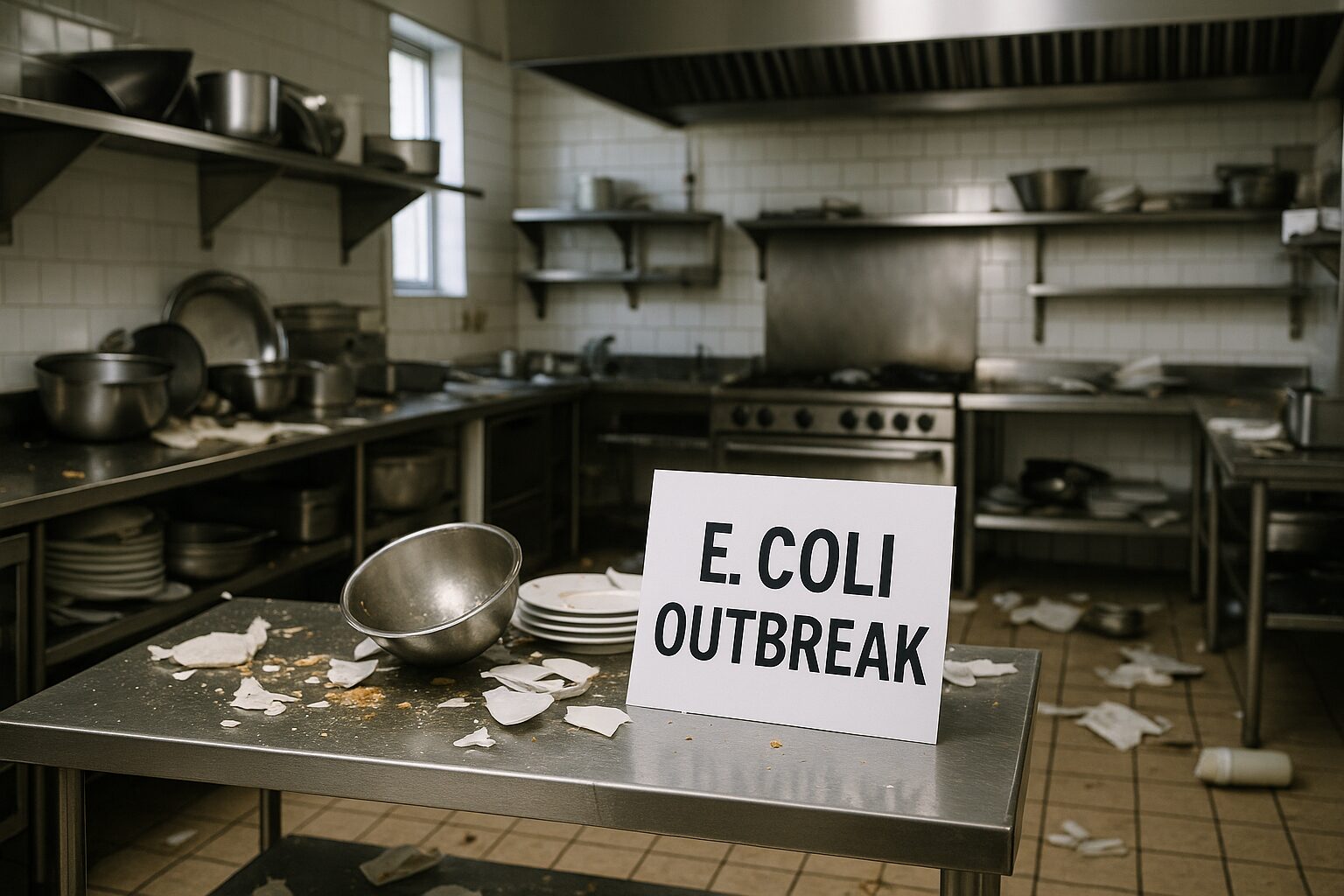
- Wishaw E. coli outbreak in 1996 caused public safety concerns.
- Envesca was founded to aid businesses with food safety compliance.
- Remote learning allowed Envesca to expand globally during Covid-19.
- Envesca invests in its employees and fosters strong customer relationships.
- Company adapts to new regulations while maintaining agile business practices.
Full Story
In November 1996, the UK experienced a significant E. coli outbreak in Wishaw that resulted in the deaths of 21 individuals and many more infections, leading to a loss of public trust in food safety. In response to this crisis, the Food Labelling Regulations 1996 were introduced, creating a new set of challenges for the food, hospitality, and catering sectors. Recognising the need for support during this transition, Sue and Simon Ellis founded Envesca, a Gloucester-based company aimed at helping businesses navigate the evolving regulatory landscape.
Envesca quickly stepped in to offer accredited training as new food hygiene regulations came into effect. Although demand for these services soared, the business faced cashflow challenges. To enhance service offerings and achieve financial stability, Simon qualified in health and safety, and the company formed partnerships with local professionals to increase its expertise. This strategy led to more monthly training sessions and improved income stability. Early growth was bolstered by European Social Funding, but when this support ceased, Envesca had to adjust its pricing and service delivery to ensure its survival.
In 2006, Envesca launched its Safeguard Support service, which provides ongoing assistance to businesses in maintaining compliance with health and safety and food safety standards. The service includes expert advice, legal updates, audits, templates, and training discounts available through a monthly package. The adoption of remote learning technology allowed the company to expand its reach globally, transitioning from classroom-based training in Gloucester to virtual courses accessible as far away as Saudi Arabia and the Falklands.
During the Covid-19 pandemic in March 2020, Envesca swiftly adapted to the new reality, becoming one of the first Highfield training centres to offer virtual courses and online exams. Despite initial challenges associated with a shift from in-person to online training, the company focused on investing in trainer development, enabling them to deliver engaging virtual sessions.
As the company continued to grow, the need for a more structured approach became evident. Envesca initiated the development of documented processes and measurable performance standards. The company now strives to respond to online enquiries within 10 minutes and has implemented a 27-second automated callback feature. It also commits to issuing proposals within 24 hours, leading to over 330 five-star customer reviews and 15 business awards, including its first CIEH award in 2010.
Looking ahead, Envesca remains agile in the face of new challenges, including stricter food safety regulations, heightened allergy safety measures in schools, and evolving risks associated with lithium-ion batteries in electric vehicle charging stations. Sue Ellis stated, “Just as Envesca helped businesses wade through 1996’s Food Labelling Regulations and 2020’s Covid pivot, we are already ahead of the game in 2026. Thirty years is just the beginning.” For additional information, visit www.envesca.co.uk or call 01452 502113.
Source: read the original report.
What this means for your site
The lessons learned from the E. coli outbreak in 1996 highlight the need for robust food safety management systems and proactive compliance with regulations. A more comprehensive risk assessment prior to the outbreak, coupled with clearer communication regarding emerging legislation, could have significantly mitigated the risks involved. The Food Safety Act 1990 and the Food Labelling Regulations 1996 are critical frameworks that must be vigilantly adhered to in the food and hospitality sectors.
To prevent similar incidents, businesses should implement regular training sessions for staff focused on food safety and hygiene, ensuring that they are updated on the latest regulations. Additionally, establishing a dedicated team to oversee compliance with the Food Safety Act 1990 and the Management of Health and Safety at Work Regulations 1999 will foster a culture of accountability and ensure ongoing adherence to health and safety standards. This proactive approach can significantly enhance public trust and minimize the risk of future outbreaks.