









Story Highlight
– Years dog food recalled due to pet eye problems.
– Warning against using rectal catheters on infants.
– A.Vogel recalling seeds for E. coli contamination.
– Home Bargains crisps recalled for missing allergen labels.
– Various chocolates withdrawn for undeclared milk and soya.
Full Story
Numerous product recalls and safety alerts have emerged this week, drawing attention to a variety of items, including a popular dog food brand and a medical device aimed at relieving infant discomfort.
**Dog Food Recall Due to Health Concerns**
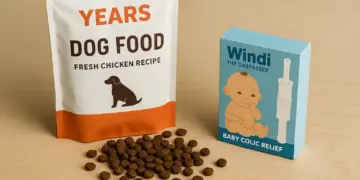
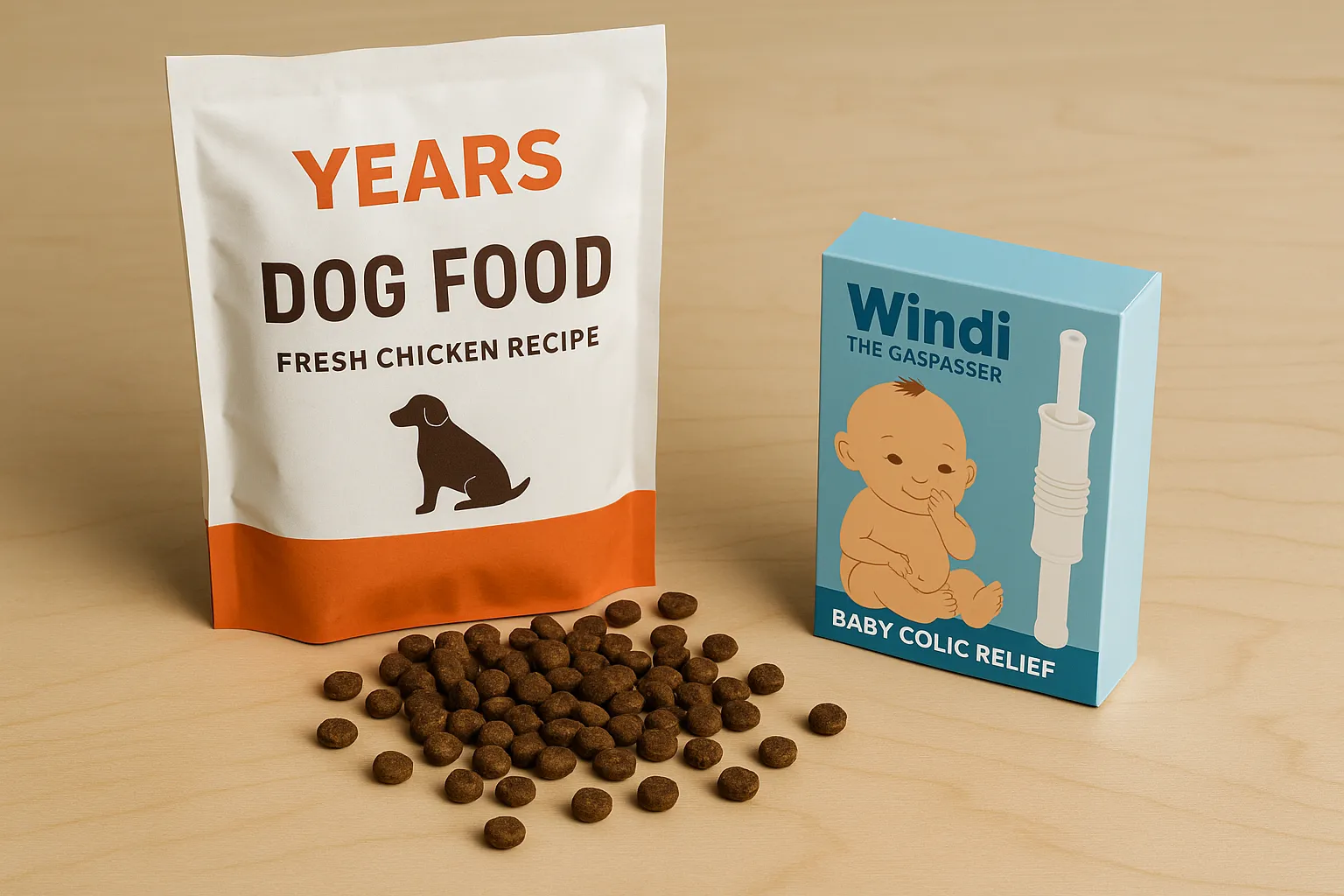
The subscription-based pet food company Years has initiated an urgent recall of all its dog food products following concerning reports of serious eye problems in canines. This step was taken after over 50 dogs exhibited symptoms related to keratoconjunctivitis sicca, a condition commonly referred to as dry eye, leading to significant vision impairment in some cases.
The issues began to surface after August 12 when an investigation revealed that a new ingredient, buckwheat, introduced earlier in the year, may be linked to these health concerns. As a precaution, Years has put a temporary halt to all subscriptions and has taken the proactive measure of recalling its fresh meal offerings.
The company has expressed its commitment to transparency and has initiated a formal investigation involving collaboration with veterinarians, independent experts, and its customer base to determine the exact cause of the reported eye issues.
**Medical Warning on Infant Catheters**
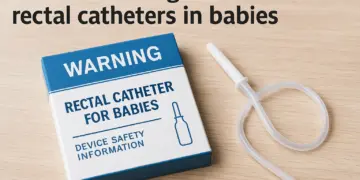
In a separate recall, medical authorities have issued a critical warning regarding the use of rectal catheters intended for babies. The Medicines and Healthcare products Regulatory Agency (MHRA) raised the alarm on August 18, advising parents and caregivers to avoid these devices, which are often marketed as solutions for infant colic and digestive discomfort.
Dr Alison Cave, the chief safety officer at the MHRA, highlighted the lack of substantial clinical evidence to support the safety and efficacy of these catheters. “We understand that digestive discomfort and colic can be distressing for babies and their families. However, we advise against the use of rectal catheters in babies,” she stated. Parents are encouraged to consult healthcare professionals and adhere to NHS guidelines if they have concerns regarding their child’s health.
**Food Safety Alerts at Major Supermarkets**
Additionally, several major UK supermarkets, including Waitrose and Tesco, have issued recalls due to various food safety alerts. Shoppers are urged to examine their pantries and refrigerators closely to determine whether they have purchased affected items. Importantly, consumers are advised not to consume any recalled products even if they appear visually and olfactorily normal.
Among these recalls, A.Vogel Ltd has withdrawn its Rapunzel bioSnacky Das Original Red Clover Seeds for Sprouts and Seedlings, which have been found to contain Shiga toxin-producing E. coli. Symptoms of this contamination may include severe gastrointestinal distress and, in rare cases, can lead to haemolytic uremic syndrome, a potentially life-threatening condition.
The affected seeds, sold in 30g packages, are marked with a batch code of 11293 and have a best before date of December 2028. Shoppers are advised to dispose of these items immediately.
**Health Risks Linked to Snack Products**
In another notable recall, crisps sold at Home Bargains were pulled from shelves due to a significant labelling oversight. ASR Solutions Ltd recalled Lays Sour Cream & Dill Crisps after it was discovered that the products contained undeclared allergens—milk and wheat (gluten)—which pose health risks for individuals with specific food allergies or intolerances.
The crisps, packaged in 125g bags, bear best before dates up to and including October 31. Shoppers who may have purchased these snacks are urged to return them to the point of sale for a full refund.
**Chocolate Products Withdrawal**
Similarly, various chocolate products by Bon Bons Wholesale Ltd have been recalled across the UK owing to concerns over undeclared ingredients, specifically milk and soya. The Food Standards Agency has advised retailers to remove these items from sale and issued a warning to consumers not to eat them.
The affected products encompass several varieties, including:
– Medium Coloured Ladybird with best before dates of March 1, 2027, and January 16, 2028.
– Small Red Ladybird with best before dates of January 21, 2027, and January 25, 2027.
– Large Red Heart marked with best before dates in late 2027 and early 2028.
– Mini Butterflies with best before dates of March 21, 2027, and September 9, 2027.
– Sports Car with a best before date of August 15, 2027.
**Desserts Under Scrutiny**
Lastly, a recall has also affected a Gü dessert product available at Tesco and Waitrose. The Gü Double Sea Salted Caramel Frozen Dessert has been recalled due to potential contamination with hazelnuts and soya that were not listed on the label. This represents a health risk for those with nut or soya allergies.
The affected batch is marked with the lot number 126135 and has a best before date of June 30, 2027. Shoppers are advised to return the product to the store where it was purchased.
These recalls underscore the ongoing importance of consumer awareness in food and product safety, urging individuals to remain vigilant and seek information about any items they may have purchased.
Our Thoughts
To prevent incidents like the recall of Years dog food and the warnings about rectal catheters for babies, several key measures and safety lessons can be applied.
For the dog food recall, rigorous quality control measures should have been implemented to detect harmful ingredients before distribution, in compliance with the Food Safety Act 1990, which mandates that food must not be unsafe. Additionally, the inclusion of clear labeling and ingredient sourcing to avoid allergens and harmful additives is critical.
Regarding the rectal catheters, the lack of sufficient clinical evidence for safety and efficacy highlights a breach of the regulations set forth by the Medical Devices Regulations 2002. Manufacturers should ensure thorough clinical evaluations and post-market surveillance to confirm the safety of medical devices before they reach consumers.
To prevent similar incidents, businesses should enhance monitoring of product safety, engage in robust risk assessments, and ensure clear communication regarding product usage instructions. Regular training for staff involved in product development, safety testing, and quality assurance can further mitigate risks associated with health and safety in both food and medical devices.