















Story Highlight
– MHRA warns against using rectal catheters for babies.
– Devices sold online without prescription raise safety concerns.
– Insufficient evidence supports safety and effectiveness of catheters.
– Risk of serious injury, like rectal tearing, exists.
– Parents advised to consult healthcare professionals for guidance.
Full Story
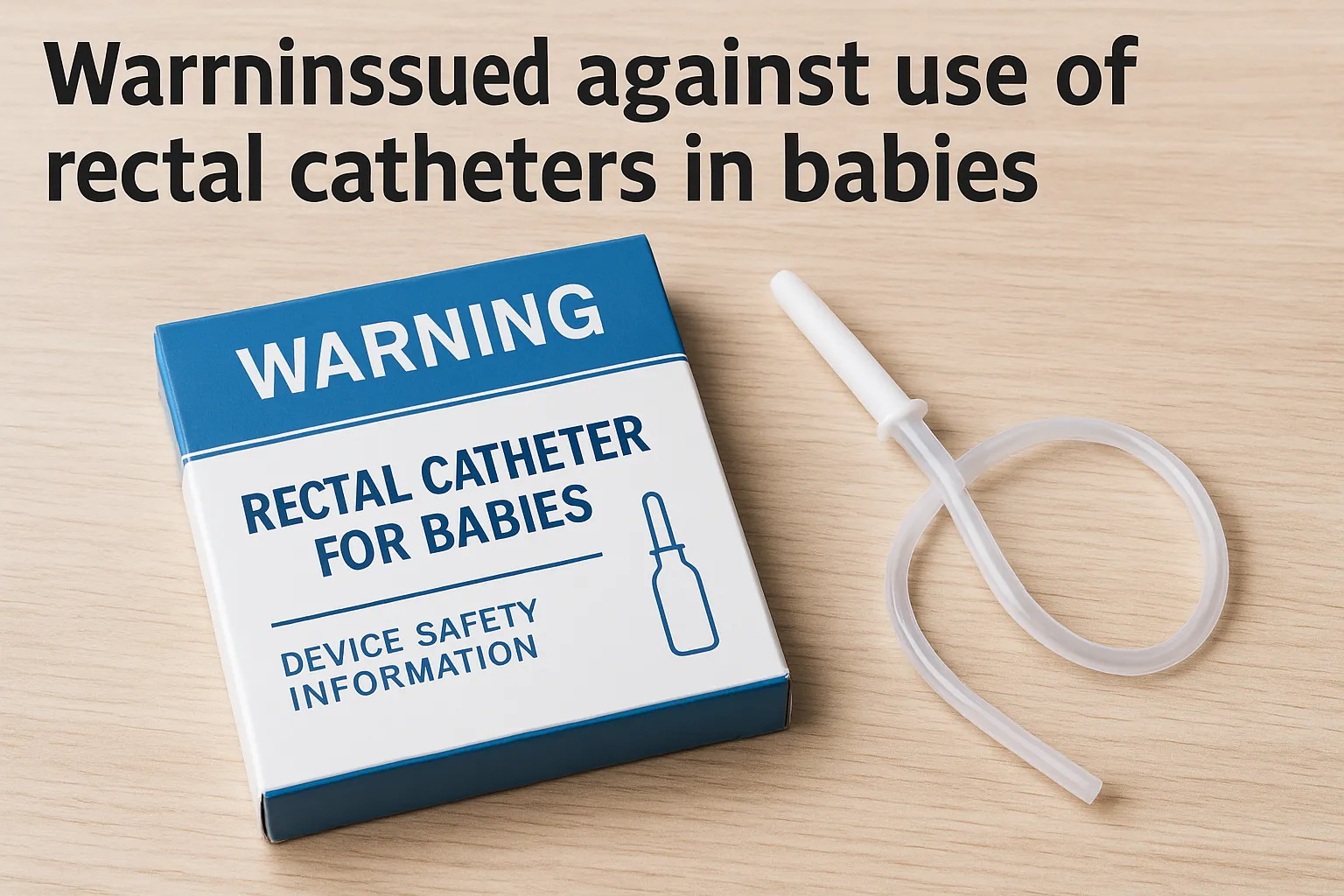
The Medicines and Healthcare products Regulatory Agency (MHRA) has issued a critical Device Safety Information (DSI) warning, raising alarms among parents regarding the use of rectal catheters for infants. This advisory, released on Tuesday, August 18, highlights the potential dangers associated with these devices, which can be obtained without a prescription from both online retailers and physical stores.
Rectal catheters have been utilized by some caregivers to alleviate issues such as colic, constipation, and trapped wind in babies. However, following an extensive review and consultation with clinical experts, the MHRA has deemed that there is insufficient clinical evidence to validate the safety and effectiveness of these devices in treating such conditions.
Dr. Alison Cave, the chief safety officer at the MHRA, expressed empathy towards families dealing with digestive issues in their infants. “We understand that digestive discomfort and colic can be distressing for babies and their families,” she commented. The agency’s stance is clear: it advises against the use of rectal catheters in young children and urges parents and caregivers to consult with healthcare professionals if they have concerns about their child’s health.
The core of the issue lies in the uncertainty surrounding the clinical benefits of rectal catheters. In light of the findings, the MHRA is not only calling for an immediate cessation of their use but also recommending that any rectal catheters currently in possession should be disposed of safely.
While there have not been reported serious injuries linked to the use of these devices, the MHRA has noted that these catheters could potentially obscure underlying health concerns that warrant medical intervention. Additionally, medical professionals have raised significant alarm over the risk of physical harm to infants, which includes the possibility of rectal tearing or perforation, both of which could lead to severe medical complications.
Parents and caregivers are encouraged to share any adverse experiences with these products through the MHRA Yellow Card scheme. This vital reporting tool is designed to monitor the quality and safety of medical products distributed within the UK. Engaging with this scheme allows families to contribute to the broader safety net for medical devices, helping the MHRA identify new safety issues as they emerge.
The MHRA emphasizes that sharing experiences with the Yellow Card scheme plays a crucial role in enhancing the safety of medical products. “Your Yellow Card report plays a key part in keeping others safe. Your experience can ensure that all healthcare products can continue their positive impact on people’s lives by helping the MHRA identify new safety issues as early as possible,” the agency states.
In light of this warning, it is vital for parents to seek guidance from healthcare professionals regarding their infants’ digestive health. The NHS provides resources and information that can help navigate the complexities of infant health concerns without the risk of using unverified medical devices.
Experts in child healthcare emphasize the importance of relying on established medical practices rather than over-the-counter solutions that lack sufficient clinical backing. They suggest that instead of using rectal catheters, parents should explore alternative methods that might alleviate their child’s discomfort without undue risk. Simple interventions, such as changes in diet or the application of gentle tummy massage techniques, may offer relief for conditions like colic.
In summary, the MHRA’s advisory serves as an important reminder of the responsibility parents have to ensure the safety and well-being of their children. While managing a baby’s discomfort can be challenging, resorting to unverified products may pose greater risks than benefits. The advice remains clear: seek professional advice, adhere to NHS guidelines, and remain cautious of the methods employed to address infant health issues.
The medical community continues to advocate for transparency and safety in products marketed for children, underscoring the need for robust clinical evidence before any device can be deemed safe for general use. Moving forward, ensuring that healthcare interventions are based on comprehensive research will remain central to protecting the health of infants and young children. Parents are thus urged to stay informed and cautious as they navigate these decisions.
Our Thoughts
The use of rectal catheters for infants raises significant health and safety concerns under UK legislation. To avoid potential dangers associated with these devices, stricter regulations regarding their sale and use should be enforced, ensuring they are only available via prescription following clinical evaluation. This aligns with the requirements outlined in the Medicines Act 1968, which governs the supply of medical products.
Key safety lessons include the necessity of clinical evidence supporting the safety and efficacy of medical devices prior to their consumer availability. The lack of such evidence resulted in recommendations against their use and highlights the importance of prioritizing patient safety.
To prevent similar incidents, a robust system for the evaluation and monitoring of medical devices could be established, perhaps involving mandatory reporting of adverse events, as encouraged by the MHRA Yellow Card scheme. Additionally, public awareness campaigns should educate parents on the risks associated with unregulated medical devices and emphasize seeking professional guidance for infant health issues, in accordance with the Health and Safety at Work Act 1974, which mandates the provision of safe practices in healthcare settings.