














Story Highlight
– El Niño may be strongest since the 19th century.
– Increased risk of storms and floods in the UK.
– 2027 predicted to be hottest year on record.
– El Niño could intensify future UK heatwaves.
– Drought conditions continue with potential for dry winter.
Full Story
The Met Office has issued a warning regarding the developing El Niño weather phenomenon over the Pacific Ocean, suggesting it may become the most powerful event of its kind since the 19th century. This situation raises concerns about increased instances of severe weather conditions in the UK, particularly during the autumn months.
Meteorological assessments indicate that the ongoing El Niño could heighten the chances of storms and flooding across various regions of Britain this fall. Additionally, projections suggest that 2027 could potentially become the warmest year on record globally, as the prolonged effects of climate change intertwine with this climatic event.
While the distance between the UK and the Pacific Ocean complicates the relationship between El Niño and summer weather patterns in Britain, climate experts caution that this phenomenon may intensify future heatwaves within the country.
El Niño is characterised by the periodic warming of ocean waters in the central and eastern Pacific, occurring every two to seven years. This rise in sea temperature can disrupt prevailing trade winds, leading to significant shifts in global weather patterns. Currently, ocean temperatures in these regions exceed historical averages by over 2°C, with some expectations that this could escalate to 3°C or more by year-end. If this occurs, it would mark an unprecedented El Niño episode, potentially the most intense observed in 500 to 1,000 years.
The weather impacts of El Niño have already begun to manifest globally, with reports of below-average monsoon seasons in India and diminished hurricane activity in the Atlantic being noted. In the UK, the repercussions of El Niño typically become apparent later in the winter months, but the interplay between this phenomenon and rising global temperatures raises alarm about the coming years.
According to Dr Nick Dunstone, a climate scientist at the Met Office, the increase in average global temperatures linked to El Niño suggests that 2027 could indeed become the hottest year on record, following 2024. He stated, “We may see average global temperatures rise next year, which would make 2027 the hottest year on record.”
Professor Adam Scaife, who leads long-range forecasting at the Met Office, voiced heightened concern about the current El Niño signal, commenting on its potential intensity: “We should be clear that this is an unprecedented event. I have never seen an El Niño signal this intense in our forecasts.”
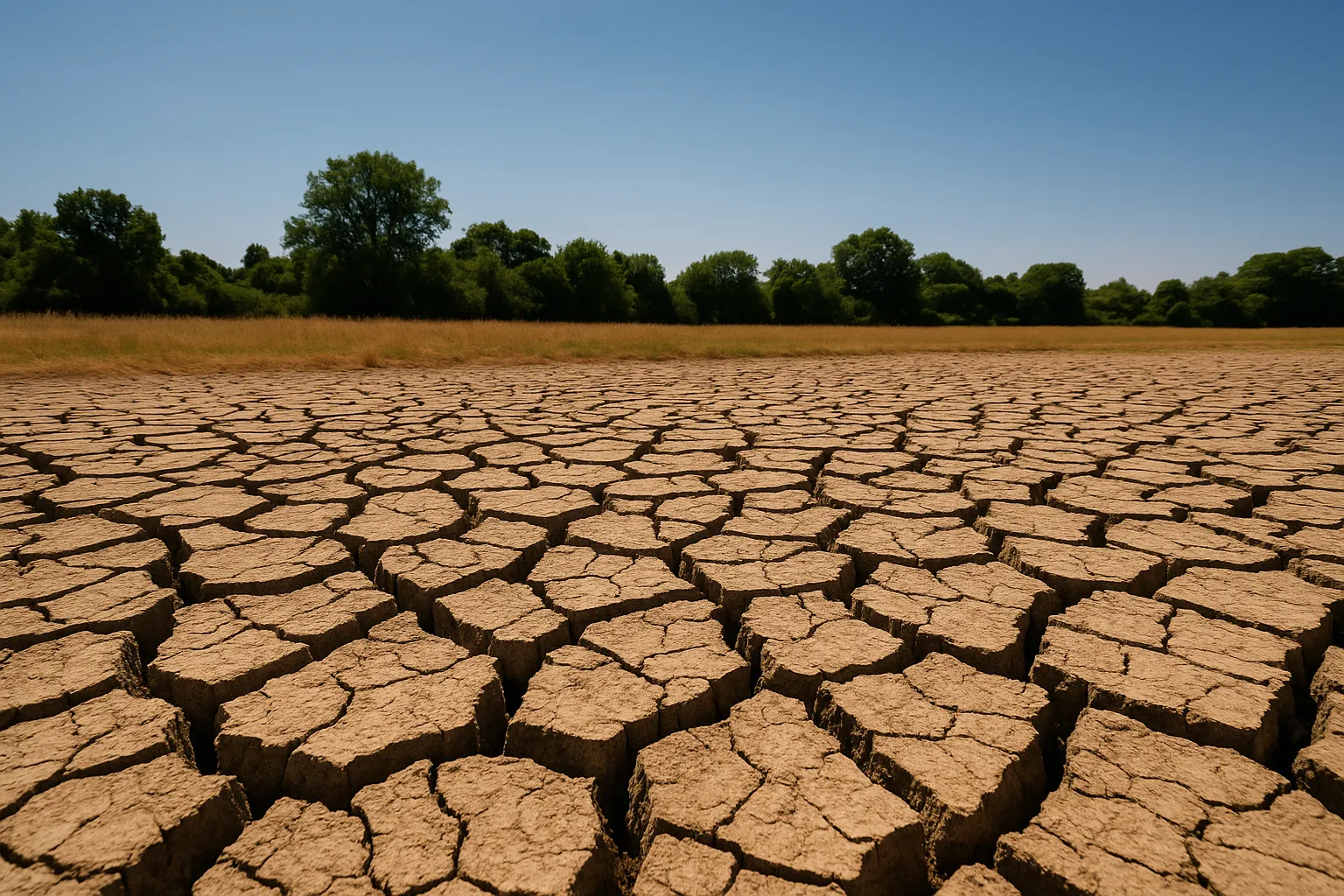
The ramifications for the UK could be profound, with expectations that El Niño could induce a wetter autumn, alleviating some of the drought conditions currently plaguing England and Wales. Over 70% of England and all of Wales are classified as being in drought, having experienced extended periods without sufficient rainfall.
However, this welcome precipitation could potentially lead to a dry winter, further complicating recovery efforts as water reservoirs and groundwater continue to suffer from depletion. The National Centre for Atmospheric Science’s Dr Akshay Deoras emphasised the urgency, stating that the UK requires “a really, really large amount of rainfall over the next few months” to effectively replenish its water supply.
In anticipation of future weather conditions, researchers continue to monitor seasonal forecasts. Tim Palmer, a Royal Society Research professor at the University of Oxford, noted that forthcoming predictions are expected to provide clarity on the impacts of El Niño on winter rainfall patterns in the UK. He warned, “If they don’t indicate abundant rain over the UK, we’re in serious trouble.”
Experts suggest that while it is too soon to definitively predict summer conditions in 2027, there is a general consensus that the UK must prepare for another year of extreme heat and drought. Dr Hayley Fowler, from Newcastle University, commented, “This is the least extreme climate we’re going to experience in our lifetime,” reflecting a shared apprehension among climate scientists about the future.
As the country grapples with the consequences of this summer’s heatwaves—including one heatwave per month, record wildfire incidents, and significant impacts on transport and infrastructure—there is a growing call for improved resilience to climate-related challenges. Emma Howard Boyd, professor at the Grantham Research Institute on Climate Change and the Environment, highlighted the need for actionable measures to adapt to an increasingly uncertain climate. She pointed out that while some immediate solutions may be feasible, many strategies for long-term adaptation require sustained commitment and time.
Moreover, the cascading effects of El Niño extend beyond immediate weather impacts, with potential ramifications for food prices and supply chains. Analysts predict that prices for staples such as rice and chocolate could rise substantially due to disruptions driven by extreme weather in affected regions. Goldman Sachs has noted that food prices could surge by as much as 15.8%, with full impacts expected to materialise by the end of 2028.
This reality was underscored by recent actions taken by the Panama Canal Authority, which announced it would limit vessel traffic due to drought conditions, highlighting the intricate connections within global trade that can be influenced by climatic phenomena. The implications of El Niño for the UK are multifaceted and ongoing, with researchers and policymakers stressing the necessity for proactive strategies to mitigate the risks posed by this and future climate phenomena.
Our Thoughts
The article highlights the potential for increased extreme weather due to the current El Niño event and its implications for the UK. To mitigate the impact of such climate phenomena, several proactive measures could be considered:
1. **Risk Assessment and Emergency Preparedness**: Local authorities and businesses should regularly conduct risk assessments regarding extreme weather events and implement comprehensive emergency action plans, as mandated by the Management of Health and Safety at Work Regulations 1999.
2. **Infrastructure Adaptation**: The current infrastructure must be adapted to withstand harsher weather conditions, ensuring compliance with the Construction (Design and Management) Regulations 2015, which require considering the health and safety of construction work in changing climates.
3. **Public Awareness and Training**: Initiatives to enhance public awareness about the risks associated with extreme weather should be prioritized, in line with the Health and Safety at Work Act 1974, promoting a culture of safety and preparedness.
4. **Continuous Monitoring and Reporting**: Establishing systems for continuous weather monitoring, as well as clear reporting protocols, can help manage and mitigate risks associated with sudden weather changes.
These steps would help in ensuring compliance with UK health and safety legislation while reducing vulnerabilities related to climate change.