














Choose an AI chat
El Niño poses risk of extreme weather and record heat in UK
UK Health and Safety Latest

El Niño poses risk of extreme weather and record heat in UK

by Ellie Cartwright
August 21, 2026
0

The Met Office has raised alarms over a developing El Niño, potentially the most formidable since the 19th century, hinting...

Read moreDetails
Pregnant women and young children warned to avoid runny eggs amid salmonella outbreak

Pregnant women and young children warned to avoid runny eggs amid salmonella outbreak

August 21, 2026
Safety alerts prompt recalls of dog food and medical items for infants

Safety alerts prompt recalls of dog food and medical items for infants

August 21, 2026
Rules governing cat ownership in the UK reveal surprising bans

Rules governing cat ownership in the UK reveal surprising bans

August 21, 2026
Timber company fined £25,000 for failing to protect workers from health risks

Timber company fined £25,000 for failing to protect workers from health risks

August 20, 2026

Archives

  • August 2026
  • July 2026
  • June 2026
  • May 2026
  • April 2026
  • March 2026
  • February 2026
  • January 2026
  • December 2025
  • November 2025
  • October 2025
  • September 2025
  • July 2025
  • August 2009

Categories

  • Health and Safety Help
  • News
  • Policies
  • UK Health and Safety Latest
  • About
  • Advertise
  • Policies
    • Privacy Policy
    • Editorial Policy
    • Corrections & Complaints policy
  • Useful Documents
    • Understanding RIDDOR
    • 10 Workplace Safety Failures
    • A Complete Guide to Reporting Safety Incidents in the UK
    • Fire Risk Assessment: Meeting the Regulatory Reform (Fire Safety) Order
    • COSHH Basics: A Practical Guide to Control of Substances Hazardous to Health
    • Working at Height in the UK: The Essentials (WAH Regulations 2005)
    • Asbestos in the Workplace: Control of Asbestos Regulations 2012 (CAR) Essentials
    • Managing Contractors Under CDM 2015: Roles, Duties & Controls
    • DSE & Ergonomics: Healthy Workstations for Office & Hybrid Teams
    • Lock out Tag out LOTO
    • Workplace Transport Safety: Forklifts, Pedestrians & Traffic Management
    • Noise & Vibration at Work: Practical Controls (2005 Regulations)
    • Confined Spaces in the UK: Safe Entry under the Confined Spaces Regulations 1997
  • Contact
  • Agent
Friday, August 21, 2026
25 °c
London
25 ° Wed
22 ° Thu
21 ° Fri
  • Login
UK Safety News
  • Home
  • News
    • All
    • UK Health and Safety Latest
    El Niño poses risk of extreme weather and record heat in UK

    El Niño poses risk of extreme weather and record heat in UK

    Pregnant women and young children warned to avoid runny eggs amid salmonella outbreak

    Pregnant women and young children warned to avoid runny eggs amid salmonella outbreak

    Safety alerts prompt recalls of dog food and medical items for infants

    Safety alerts prompt recalls of dog food and medical items for infants

    Rules governing cat ownership in the UK reveal surprising bans

    Rules governing cat ownership in the UK reveal surprising bans

    Timber company fined £25,000 for failing to protect workers from health risks

    Timber company fined £25,000 for failing to protect workers from health risks

    Salmonella outbreak linked to imported eggs claims one life and sickens hundreds

    Salmonella outbreak linked to imported eggs claims one life and sickens hundreds

    Urgent food safety advice issued amid salmonella outbreak linked to eggs

    Urgent food safety advice issued amid salmonella outbreak linked to eggs

    MHRA warns parents against using rectal catheters for infants

    MHRA warns parents against using rectal catheters for infants

    Oil spill at Piper Bravo deemed potentially catastrophic by safety regulator

    Oil spill at Piper Bravo deemed potentially catastrophic by safety regulator

    NHS Grampian suspends all planned paediatric surgeries at Elgin hospital

    NHS Grampian suspends all planned paediatric surgeries at Elgin hospital

    Trending Tags

No Result
View All Result
UK Safety News
No Result
View All Result
Home News UK Health and Safety Latest

Rules governing cat ownership in the UK reveal surprising bans

Michael Harland by Michael Harland
August 21, 2026
in UK Health and Safety Latest
Reading Time: 4 mins read
0
Rules governing cat ownership in the UK reveal surprising bans

Story Highlight

– Some cat breeds face ownership restrictions in the UK.
– Scottish Folds banned due to severe health issues.
– GCCF refuses registration for specific problematic breeds.
– Wild hybrids require special licensing under DWAA.
– Ownership of hybrids like Bengals is illegal without license.

Full Story

In the UK, pet ownership comes with an array of responsibilities and regulations, particularly concerning certain species. While many are familiar with the restrictions placed on certain dog breeds, including infamous types like the Pit Bull Terrier and the XL Bull Terrier, fewer people recognise that ownership regulations also apply to specific cat breeds.

Under UK law, several cats are not a straightforward consequence of governmental bans like those imposed by the Dangerous Dogs Act 1991, which targets certain dogs. Instead, the limitations surrounding feline ownership arise from existing animal welfare regulations and policies set forth by organisations, such as the Governing Council of the Cat Fancy (GCCF), which serves a role analogous to that of the Royal Kennel Club for dogs.

The GCCF oversees the official recognition of approximately 40 cat breeds and registers about 30,000 kittens annually. However, their authority does not extend to enforcing legal ownership bans akin to those imposed on canines under specific legislation. Rather, the GCCF primarily prohibits certain breeds from being registered or showcased as recognised pedigree cats in the UK. This refusal effectively precludes breeders from marketing these animals as pedigree, thereby impacting their sale and visibility in cat shows.

The GCCF categorises cat breeds into two distinct groups, focusing on either serious health issues or genetic diversification concerns. The first group consists of those breeds banned due to severe health limitations, often stemming from genetic mutations that can lead to painful conditions or physical deformities.

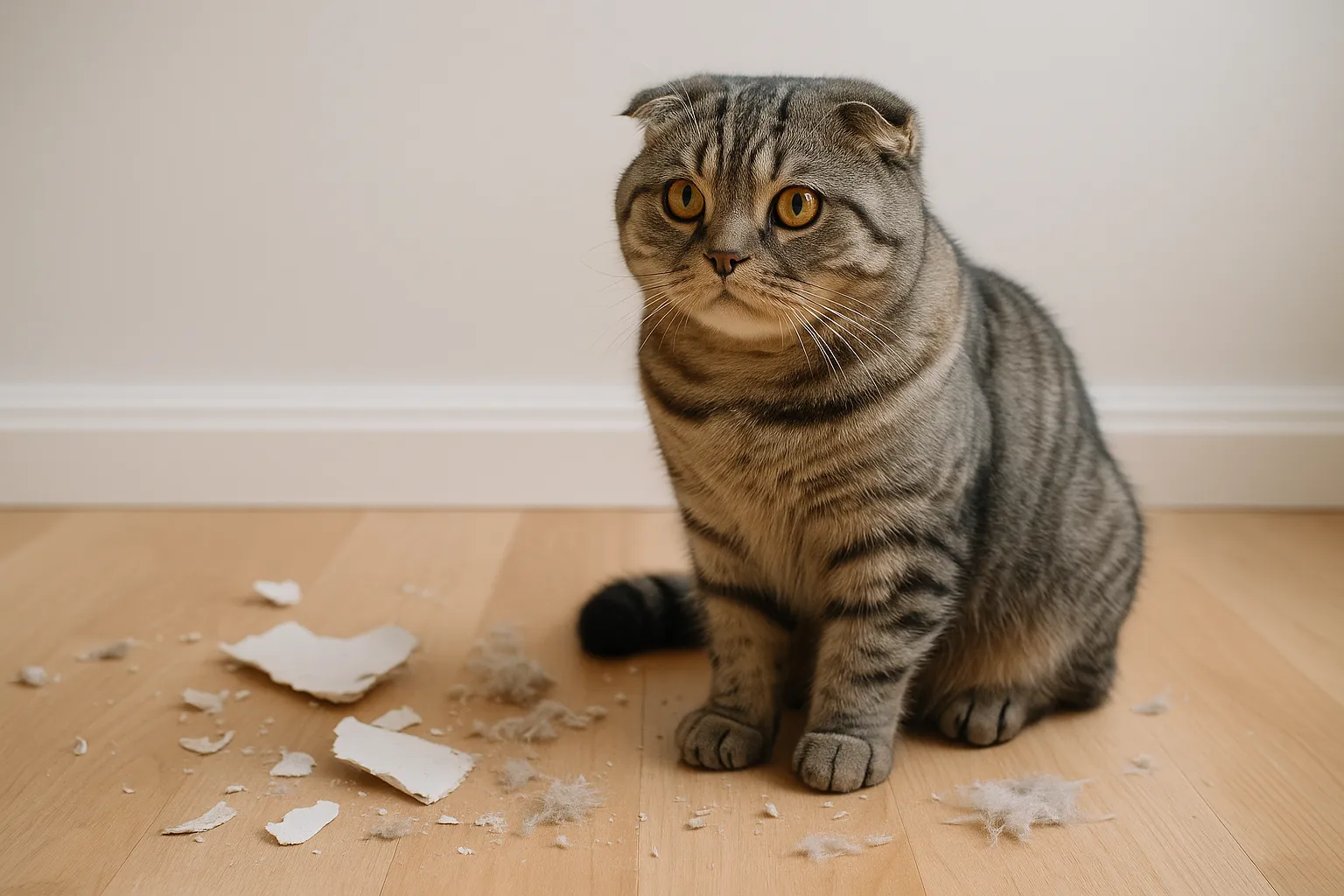
For instance, the Scottish Fold, a breed noted for its distinctively folded ears, has faced GCCF restrictions since 1971. This breed suffers from osteochondrodysplasia, a genetic disorder that results in joint deformities and chronic pain. Similarly, the Munchkin and Minuet breeds are disallowed due to the intentional breeding of shorter limbs, which is associated with significant health risks, such as severe arthritis and spinal deformities.

Moreover, certain polydactyl cats, which have extra toes, are not recognised due to the unnecessary genetic mutations they exhibit, lacking any health advantages. The GCCF maintains a stance against accepting new hairless breeds beyond the established Canadian Sphynx, given their vulnerability to harsh environmental factors and health challenges. Breeds that display curled ears, like the American Curl, are also disqualified due to potential cartilage problems and ear canal complications.

The second group of banned breeds from GCCF recognition consists of animals associated with wild hybridisation or those lacking sufficient pedigree data for evaluation. For instance, the GCCF refuses to acknowledge breeds like the Chausie, a cross between the domestic cat and a jungle cat. These hybrids are suspected to exhibit wild temperament traits, making them unsuitable for regular household environments. Other unrecognised breeds encompass those still “in formation,” where the legitimacy and health of the population have not been established sufficiently in the UK.

In addition to the GCCF guidelines, the Dangerous Wild Animals Act (DWAA) 1976 places stringent regulations on certain breeds perceived as posing potential dangers, particularly hybrids of domestic cats and their wild counterparts. Owners desiring to keep high-generation hybrids, such as Chausies or Caracats, must obtain a specialised licence from their local council. Without this license, the ownership of these particular cats is considered illegal under the DWAA, reflecting a concerted effort to ensure the safety and welfare of both domestic and wildlife.

The consequences of these regulation frameworks have raised discussions in pet ownership communities about the welfare implications associated with breeding practices. Animal welfare advocates argue that the GCCF’s bans are crucial in preventing the propagation of breeds that may suffer from crippling genetic disorders. Yet, some breeders express concerns that such restrictions can stifle breeding diversity, pushing certain breeds further underground and complicating regulation enforcement.

From a local perspective, the enforcement and consequences of these rules vary significantly across the UK. In urban settings, there may be a higher awareness of these regulations, as pet ownership often occurs in closer quarters. In more rural areas, where breeders and owners might be less familiar with these guidelines, the risk of unlicensed ownership or breeding of prohibited breeds persists.

Overall, while most individuals remain conscious of the legalities surrounding certain dog breeds, awareness of cat breed regulations remains limited. As debate continues around responsible pet ownership and the implications of genetic breeding on animal welfare, it remains essential for potential cat owners to stay informed about both the GCCF standards and the legal requirements laid out under the Dangerous Wild Animals Act.

In conclusion, the complexities surrounding the regulation of cats in the UK reflect broader concerns about animal welfare, public safety, and responsible breeding practices. Awareness of these ongoing discussions and regulations is vital for potential cat owners, breeders, and the wider community to ensure that feline companions are sourced and cared for in a way that prioritises their well-being.

Our Thoughts

To prevent issues related to the ownership of certain cat breeds as outlined in the article, it is essential to enhance public awareness of UK legislation that governs both dangerous animals and animal welfare, specifically the Dangerous Wild Animals Act 1976 and the GCCF’s regulations.

Key safety lessons include the need for stricter enforcement of licensing for high-generation hybrid cats to ensure that owners understand their responsibilities and the potential risks associated with these breeds. Increased regulation on breeding practices could mitigate health problems inherent in genetically altered breeds, such as Scottish Folds and Munchkins, aligning with the Animal Welfare Act 2006, which mandates that animals must be protected from suffering.

Education campaigns focusing on the implications of owning non-recognised breeds could reduce the incidence of irresponsible breeding and ownership. Responsible breeding practices encouraged by the GCCF could be formalized into law to ensure compliance with health standards.

Failure to adhere to these regulations represents a breach of both the DWAA and animal welfare guidelines. Ensuring that prospective pet owners are properly informed and regulated can help prevent similar incidents in the future.


SummarizeShare35Share198SendSend
ADVERTISEMENT
Michael Harland

Michael Harland

Related Posts

Product recalls issued over fire risks and safety concerns in major retailers

Product recalls issued over fire risks and safety concerns in major retailers

by Ellie Cartwright
December 20, 2025
0

The Office for Product Safety and Standards (OPSS) has announced urgent product recalls from Asda, Marks & Spencer, and B&M...

Fatal reactions linked to diabetes medications Mounjaro and semaglutide

Fatal reactions linked to diabetes medications Mounjaro and semaglutide

by Ellie Cartwright
March 8, 2026
0

Concerns over the safety of popular diabetes medications have intensified following two reported fatalities linked to the drugs Mounjaro and...

Leave a Reply Cancel reply

Your email address will not be published. Required fields are marked *

I agree to the Terms & Conditions and Privacy Policy.

Useful Documents

  • Understanding RIDDOR
  • 10 Workplace Safety Failures
  • A Complete Guide to Reporting Safety Incidents in the UK
  • Understanding RIDDOR
  • Fire Risk Assessment: Meeting the Regulatory Reform (Fire Safety) Order
  • COSHH Basics: A Practical Guide to Control of Substances Hazardous to Health
  • Working at Height in the UK: The Essentials (WAH Regulations 2005)
  • Lock out Tag out LOTO

Recent Posts

  • El Niño poses risk of extreme weather and record heat in UK
  • Pregnant women and young children warned to avoid runny eggs amid salmonella outbreak
  • Safety alerts prompt recalls of dog food and medical items for infants
  • Rules governing cat ownership in the UK reveal surprising bans
  • Timber company fined £25,000 for failing to protect workers from health risks

Recent Comments

  1. Piper Douglas on Worker dies due to inadequate machinery safety measures
  2. Natalie Coleman on New housing laws aim to tackle damp and mould crisis in England
  3. Simon Barrett on Honeymoon ruined by illness as newlywed suffers severe infection in Cape Verde
  4. Nolan Barrett on Work-related ill health in Great Britain remains a concern after pandemic peak
  5. Dylan Reeves on Sickness rates among Scottish police officers soar to troubling levels
UK Safety News

Copyright © 2026
UK Safety News

Navigate Site

  • About
  • Advertise
  • Policies
  • Useful Documents
  • Contact
  • Agent

Follow Us

Welcome Back!

Login to your account below

Forgotten Password?

Retrieve your password

Please enter your username or email address to reset your password.

Log In
No Result
View All Result
  • Home
  • News

Copyright © 2026
UK Safety News

This website uses cookies. By continuing to use this website you are giving consent to cookies being used. Visit our Privacy and Cookie Policy.