













Story Highlight
– NHS struggles to address patient safety and complaints.
– Healthwatch and volunteers set to be abolished.
– Care Quality Commission loses critical information rights.
– Whistleblower protections weakened by proposed changes.
– Liberal Democrats urge intervention to prevent NHS safety decline.
Full Story
Concerns have escalated regarding recent proposed changes to patient safety regulations within the National Health Service (NHS) in the UK, as expressed by numerous healthcare advocates and organisations. Critics underline a growing trend where patient feedback and safety measures are inadequately addressed, raising alarms about the potential repercussions these modifications could pose to patient care and safety standards.
Amidst this backdrop, significant alterations detailed in the government’s Health Bill threaten to dismantle critical components of the patient safety framework established following high-profile healthcare scandals. Central to these concerns is the proposed abolition of Healthwatch, a network of 150 independent local organisations dedicated to listening to patient experiences and highlighting shortcomings in care. Alongside this, the organisation’s 4,000 volunteers would also see their contributions come to an end.
In tandem with this move, the changes would effectively weaken the Care Quality Commission (CQC) by removing its legal entitlement to access essential data from the NHS. This action undermines the CQC’s capacity to regulate the quality of care provided across health services. Furthermore, the Health Service Safety Investigations Body, an entity that assures anonymity for NHS whistleblowers reporting unsafe practices, is set to be absorbed by the CQC. This merger raises significant concerns about the erosion of protections for staff willing to disclose safety issues within the NHS.
According to recent surveys, nearly 25% of NHS patients reported experiencing substandard care in the previous year, yet a staggering proportion chose not to voice their concerns. One-fifth of these individuals cited fear of potential repercussions on their treatment as a deterrent to making complaints. This fear underscores the primary necessity for an independent platform where patients can safely report their experiences without fear of retribution.
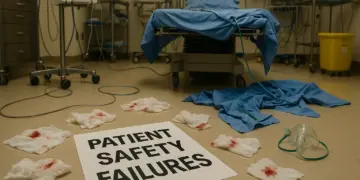
The data demonstrates that the NHS continues to grapple with serious safety challenges. Notably, there were 403 incidents classified as “never events” within English hospitals over the past twelve months—these are grave errors that should not occur, such as performing surgery on the wrong site. Moreover, the financial toll of clinical negligence claims on the NHS has reached £3.3 billion annually, reinforcing the argument that the system cannot afford to lose its ability to identify and rectify problems as they arise or remove vital protections for whistleblowers.
Advocates argue that addressing the deficiencies in regulatory frameworks and the enforcement of recommendations should involve enhancing these systems rather than abolishing them. The elimination of accountability measures will not serve patients or healthcare providers alike.
Prominent within the debate is Robert Francis, known for his leadership of the inquiry into the Mid Staffordshire NHS Foundation Trust scandal. He commented on the value of Healthwatch, stating that it has demonstrated its utility to both the Department of Health and the wider healthcare landscape. Francis asserted that patient input is often crucial in identifying systemic issues and guiding necessary reforms.
In light of these developments, the Liberal Democrats have urged Greater Manchester’s Mayor, Andy Burnham, to step in before the situation deteriorates further. Historically, Burnham has supported Healthwatch and commissioned the investigation into the Mid Staffordshire scandal, which ultimately led to the implementation of such patient safety entities.
The Liberal Democrats suggest that by endorsing amendments to the Health Bill, Burnham can preserve the CQC’s ability to acquire vital information, ensure the independence of the forthcoming safety body, and reinstate Healthwatch along with its funding. Moreover, they propose additional measures to bolster whistleblower protections, including a mandate for NHS boards to report any allegations of malpractice and expanded authority for coroners and medical examiners to identify and report patterns indicative of preventable deaths.
Ultimately, the accountability for these proposed changes rests with Prime Minister Rishi Sunak, who has the power to intervene and influence the direction of the legislation. The stakes are high; the absence of action could lead to a repeat of historical blunders similar to what transpired at Mid Staffordshire, an outcome that many in the health sector are eager to avoid.
With legislative discussions set to resume in September, the Liberal Democrats have indicated their firm opposition to the bill’s current form, pledging to advocate for patient safety and care standards within the House of Lords, where the government lacks a decisive majority.
In conclusion, the potential for significant alterations to patient safety oversight within the NHS has prompted widespread concern among healthcare professionals, organisations, and patients alike, all of whom fear that vital safeguards may be compromised without sufficient advocacy and intervention. The ongoing dialogue around these issues highlights the critical need for robust mechanisms that uphold patient rights and ensure quality care across the NHS.
Our Thoughts
The article highlights significant shortcomings in the NHS regarding patient safety and the proposed changes that could exacerbate these issues. To avoid the reported poor care and high incidence of “never events,” it is critical to maintain and strengthen oversight bodies such as Healthwatch and the Care Quality Commission (CQC). The dismantling of these organizations may lead to insufficient reporting and addressing of safety concerns, breaching obligations under the Health and Safety at Work Act 1974, which requires employers to ensure the health and safety of employees and others affected by their activities.
Key safety lessons emphasize the importance of transparent channels for patient feedback and whistleblower protections to identify and mitigate risks swiftly. Without mechanisms that safeguard these channels, fear of retaliation may stifle reporting of negligence, leading to ongoing harm.
Regulations such as the Health and Social Care Act 2008 (Regulated Activities) Regulations 2014, which mandates safe care practices, may be at risk if independent oversight is weakened. To prevent similar incidents, it is essential to reinforce accountability structures within the NHS and ensure that patient and staff voices are heard and considered in healthcare governance.