















Story Highlight
– Upton Chelmsford Road closed from September 16 for maintenance.
– Corfe Mullen road closures begin September 17, lasting until October 2.
– Multiple paths in Spetisbury and Tarrant Keyneston closed until 2027.
– Fines up to £1,000 for violating closure notices.
– Diversion routes and local signage implemented for affected areas.
Full Story
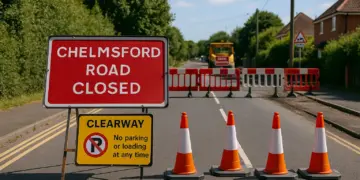
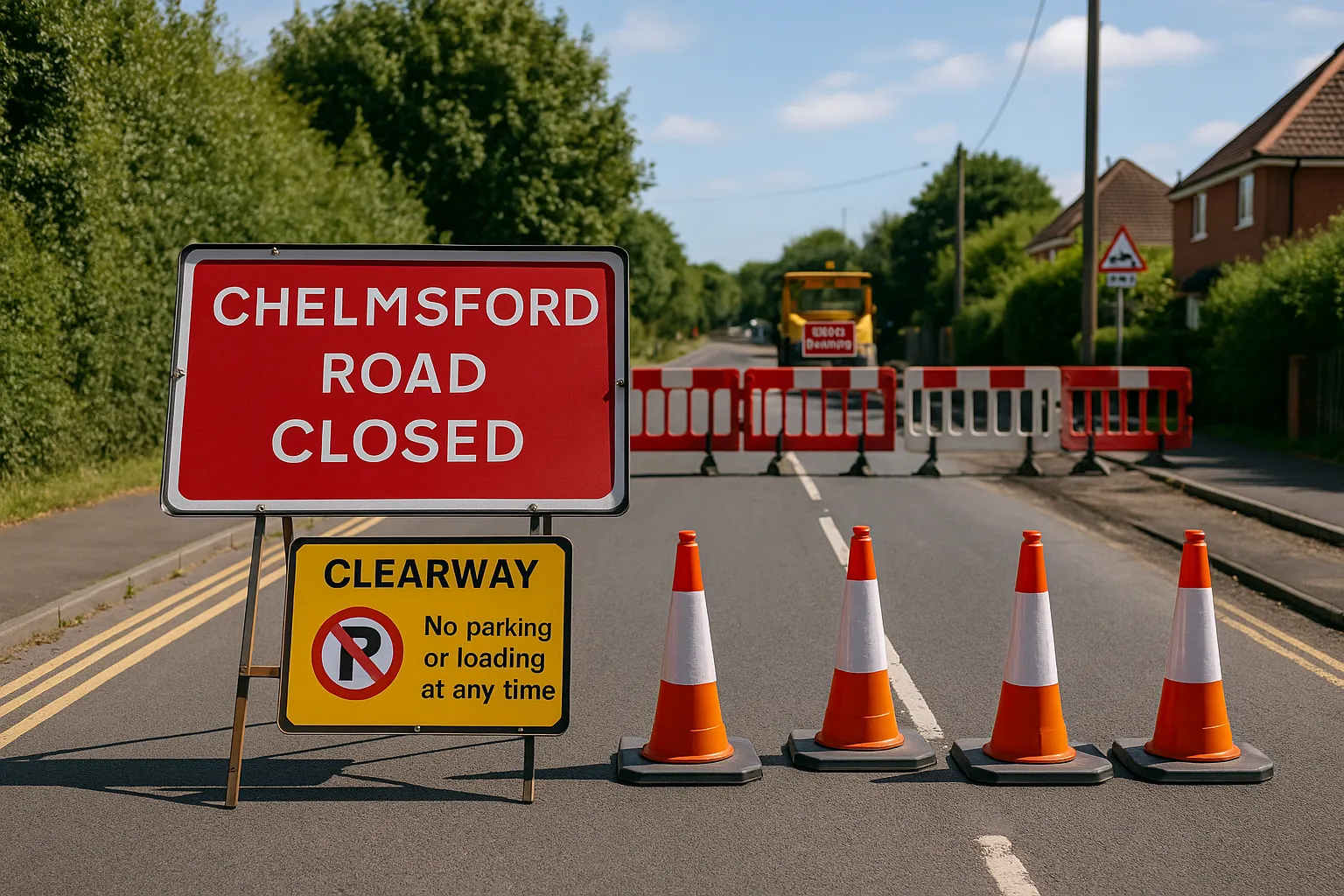
Travel in parts of Dorset is set to be affected by a series of road closures, footpath restrictions, and parking limitations over the coming weeks. Starting from September 16, motorists and pedestrians in Upton will face the closure of Chelmsford Road as maintenance and resurfacing operations are scheduled to take place. In conjunction with this closure, a clearway will be established, and parking will be suspended to facilitate the works.
According to Dorset Council, this maintenance endeavour is expected to conclude by September 21. Those who violate the terms of the closure are warned that they may face summary prosecution, potentially resulting in fines of up to £1,000. This serves as a reminder to road users to adhere to signage and instructions posted in the area.
Further disruptions will also affect Corfe Mullen as multiple road closures will begin on September 17. Key thoroughfares such as Knoll Lane, Rushall Lane, and Waterloo Road are set to be shut down to allow for necessary carriageway repairs and resurfacing. This segment of work is anticipated to finish by October 2, during which a diversion route will be indicated to help redirect traffic around the affected areas. Signage indicating the temporary restrictions, including clearway and suspended parking areas, will be visible.
For additional information regarding the progression of these roadworks, individuals can reach out to the Dorset Highways department, which is overseeing the operations in these areas.
In addition to the road maintenance efforts, the council has also imposed an extended closure order on several bridleways and footpaths located in Spetisbury and Tarrant Keyneston. This action is being taken due to health and safety considerations related to the structural integrity of the leet stream bridge that these paths cross. As a result, paths including Bridleway E22/7 in Tarrant Keyneston, Public Footpath E22/14 in the same area, Bridleway E17/5 in Spetisbury, and Public Footpath E17/2 in Spetisbury will remain closed to all users, including pedestrians, horse riders, and cyclists.
Originally instated on August 16, 2025, for a duration of 26 weeks, this closure has now been prolonged with the approval of the Secretary of State for Transport until March 2, 2027, or until the necessary repairs are fully completed. The council emphasised that public safety is their priority in executing these closures.
Members of the public looking for further details on the ongoing works can contact the Dorset Highways at 01305 228100 or the Dorset Countryside department at 01305 224630, with each unit being responsible for different updates regarding road and path usage.
Similar to the restrictions in Upton, individuals found to be in violation of these closures face potential fines up to £1,000 for the use of vehicles in contravention of the established notices. This level of enforcement underscores the council’s commitment to maintaining the safety and functionality of Dorset’s transport infrastructure.
As road and path maintenance continues to be a priority for the local government, officials stress that these actions serve a critical purpose in enhancing public safety and ensuring the longevity of the roadways and pathways throughout the region. Community members and visitors alike are urged to stay informed and cooperate with all traffic management plans during this period of disruption for the benefit of all road users.
Through these temporary closures and restrictions, Dorset Council aims to minimise risks and ultimately improve travel conditions as repairs to the roadways are undertaken. As always, ongoing communication with the public remains essential to achieving a smooth transition during these periodical disruptions. Local residents are encouraged to plan their journeys accordingly and allow for extra travel time while these works are in progress.
With such comprehensive maintenance efforts being implemented, Dorset Council is hopeful that these short-term inconveniences will result in long-lasting improvements to the safety and quality of the transport networks within the county. This proactive stance on infrastructure reinforces the council’s dedication to serving the needs of the community while prioritising public safety.
Overall, these updates mark a significant step towards better-maintained roads and paths in Dorset, ensuring that both residents and visitors can navigate the area safely and efficiently. The council is committed to keeping the public informed throughout the duration of these works, which is crucial for minimising disruption and fostering understanding within the community. Regular updates will be made available as progress is made and further developments arise.
Our Thoughts
To prevent incidents related to the road and footpath closures in Dorset, several key measures could have been implemented. Firstly, better advance communication regarding the closures and the rationale behind them would enhance public awareness and compliance, potentially reducing disruptions. The Health and Safety at Work Act 1974 emphasizes the need for clear communication of health and safety matters to prevent confusion.
Additionally, a comprehensive risk assessment could have been conducted prior to the commencement of the works. This would ensure that all potential hazards associated with the road and footpath closures are identified and mitigated. According to the Management of Health and Safety at Work Regulations 1999, employers are required to conduct such risk assessments to safeguard both workers and the public.
Furthermore, the clearway and parking suspension rules should have been thoroughly enforced, possibly with increased signage and onsite personnel to manage compliance effectively. Failure to adhere to these regulations, resulting in unsafe conditions, could lead to potential breaches of the Road Traffic Regulation Act 1984.
In summary, improved communication, thorough risk assessments, and effective enforcement of regulations could help prevent similar incidents in the future.