












Story Highlight
– Major UK supermarkets list ongoing product recalls.
– Recalls often due to health and safety risks.
– Morrisons, Tesco, Asda have recalls; Sainsbury’s does not.
– Simple Kind Micellar Cleansing Water recalled for bacteria.
– Tesco Finest Mozzarella Salad recalled for E. coli risk.
Full Story
Major UK supermarkets are currently managing several product recalls that have been published on their websites, primarily due to various health and safety concerns. Consumers are generally encouraged to return any affected items to their point of purchase for a full refund. It is common practice for leading supermarket chains to keep their lists of recalled products updated regularly to ensure customer safety.
Among the most prominent supermarkets in the country, Morrisons, Tesco, and Asda are actively involved in the recall process, each detailing specific products that pose potential risks. In contrast, Sainsbury’s does not have any product recalls noted at this time. Customers are advised to check the respective supermarket websites for comprehensive information, particularly for detailed lists of recalls that extend back to the beginning of the year.
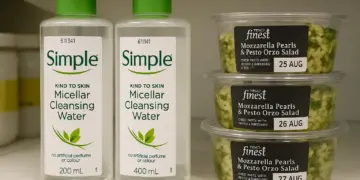
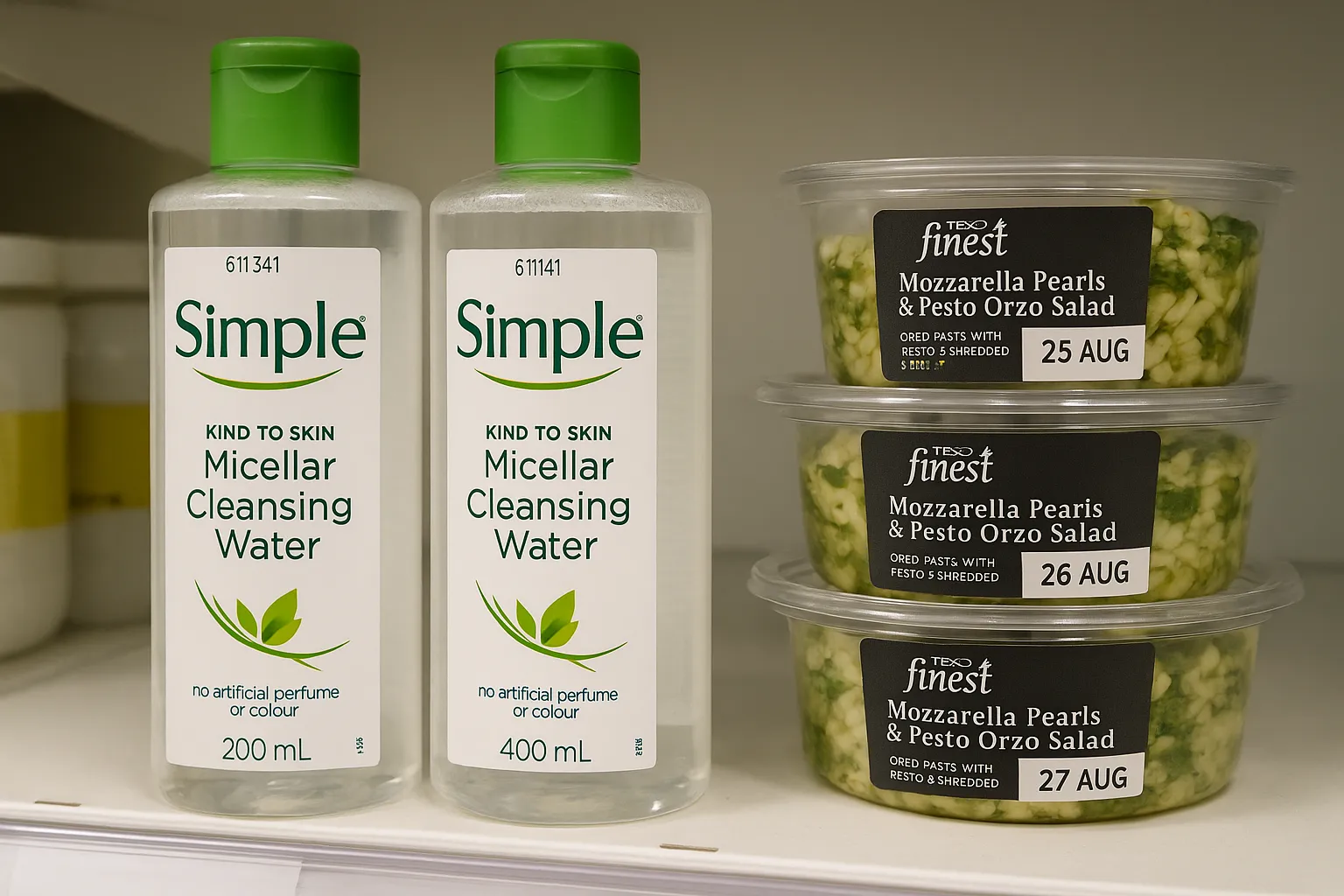
In a notable recall, Unilever has announced the withdrawal of specific batch codes of their Simple Kind to Skin Micellar Cleansing Water in both 200ml and 400ml sizes. The recall follows the discovery of potential bacterial contamination, which may lead to eye inflammation in susceptible individuals. This is a serious health risk that has prompted Tesco to issue a notice regarding the affected products.
The specific batch codes for the Simple Kind to Skin Micellar Cleansing Water that are being recalled include:
– For the 200ml size: 610041, 611641, 615941
– For the 400ml size: 611141, 611341, 611441, 613341, 613441, 614541, 614741, 614841
In another recall, Tesco is pulling three specific date codes of its Finest Mozzarella Pearls & Pesto Orzo Salad, weighing 215g. The retailer has indicated that this action is due to possible contamination with Shiga toxin-producing E. coli (STEC), a dangerous strain of bacteria that can lead to serious illness if ingested. The affected use-by dates for this product are 25 August, 26 August, and 27 August, and Tesco assures customers that no other items are implicated in this recall.
The proactive measures taken by these supermarkets reflect a growing commitment to consumer safety amidst increasing food safety regulations and public health awareness. As consumers, it is vital to remain vigilant about the products we purchase, especially in light of these recent recalls. Public health experts often stress the importance of understanding product recalls to mitigate potential health risks associated with contaminated goods.
Aside from the immediate concerns regarding these health hazards, analysis of recalls can offer insights into broader industry practices. The presence of bacterial contamination in commonly used products raises questions about manufacturing processes and supply chain management. Experts suggest that there should be stringent monitoring protocols in place to safeguard consumer health and maintain food safety standards throughout production, distribution, and retail stages.
The ongoing updates from supermarkets underscore the role of transparent communication in the consumer food market. By maintaining up-to-date lists of recalls, retailers can not only recover potentially harmful products from circulation but also enhance customer trust. This approach allows for quicker responses to health concerns and provides consumers with the information they require to make informed purchasing decisions.
While it is concerning when a product is recalled, it can also be seen as a positive aspect of consumer rights being protected. When companies actively recall products upon discovering safety issues, it signals a level of accountability and responsibility. This transparency is essential in building public confidence in food safety initiatives.
Furthermore, the impact of social media and online communication cannot be overlooked in the context of product recalls. With more consumers relying on digital platforms to receive news and information, supermarkets are now leveraging these channels to disseminate recall information rapidly. Quick dissemination of updates can help minimise health risks, as consumers become aware of potential dangers sooner.
As we navigate a landscape filled with potential food safety challenges, it is crucial for consumers to stay informed. Checking websites for product recalls, understanding batch codes, and being aware of use-by dates are vital steps that can contribute to personal safety. Moreover, by returning affected products promptly, consumers help to reinforce the importance of health regulations and encourage food manufacturers to prioritise safety measures.
In summary, the recent product recalls from some of the UK’s major supermarkets reflect an ongoing commitment to ensuring customer safety and health. As recalls emerge, consumers must take proactive steps to educate themselves and respond to potential risks. Keeping informed through supermarket communications plays a critical role in maintaining safety standards and fostering confidence in the food supply chain. If further details or updates arise, those interested should remain vigilant by checking the official supermarket websites.
Our Thoughts
To prevent incidents like the product recalls reported by major UK supermarkets, several key safety measures can be implemented. First, robust quality assurance protocols should be established by manufacturers to ensure that products are free from harmful contaminants before reaching the shelves, in accordance with the Food Safety Act 1990 and the Health and Safety at Work Act 1974.
Supermarkets should also enhance their supplier vetting processes to ensure that only compliant and reputable manufacturers are engaged. This aligns with the requirements of the General Product Safety Regulations 2005, which mandate that businesses ensure that products supplied to consumers are safe.
Regular training for staff on handling recalls and communicating risks to customers is essential, ensuring compliance with the Management of Health and Safety at Work Regulations 1999. This ensures that customers receive timely information about potential hazards.
Furthermore, a system for rapid response and effective communication of recalls must be in place to minimize risk exposure to consumers promptly. Overall, improved oversight of supply chains, rigorous safety checks, and effective communication can mitigate risks associated with product recalls and enhance public safety.