














Story Highlight
– PSNI emphasizes safety at Northern Ireland music festivals.
– Plan your journey home and stay with friends.
– Illegal drugs pose serious risks and potential consequences.
– Proactive police operations include high-visibility patrols.
– Amnesty bins available for safe drug disposal.
Full Story
**Festival Safety: Police Advise Caution as Summer Events Approach in Northern Ireland**
As the summer festival season kicks off in Northern Ireland, local law enforcement is urging concertgoers to remain vigilant about their safety during outdoor music events. The Police Service of Northern Ireland (PSNI) has issued key safety guidance aimed at ensuring a secure and enjoyable experience for all attendees.
Festival-goers are encouraged to plan their journeys home in advance, stay with friends, and be mindful of the serious risks associated with illegal substances. Superintendent Alistair Hagan from the PSNI highlighted the importance of being proactive in regard to personal safety, stating that it is crucial for everyone to look out for one another throughout the festivities.
“Our goal is to ensure that your day is enjoyable and memorable, for all the right reasons,” Hagan remarked. He further emphasised that festival attendees should adopt straightforward strategies to enhance their safety. “Before heading out, plan your homeward route, stick with friends, and keep an eye on each other,” he advised.
A significant area of concern expressed by the police is the consumption of illegal drugs. Superintendent Hagan has made clear the importance of understanding the potential dangers associated with these substances. “I want to be very clear about the serious, potentially life-changing, risks of taking or supplying illegal drugs. No drugs are safe,” he stated. He explained that illicit drugs can contain unpredictable mixtures of ingredients, meaning users are often unaware of what they are ingesting, including potency.
The dangers extend beyond the substances themselves, particularly when drugs are mixed with alcohol. The superintendent warned that the results can be catastrophic and, in some instances, fatal. He urged festival-goers to consider the long-term repercussions of experimenting with drugs, reminding them that a fleeting instance of recklessness can lead to lifelong health issues or legal consequences.
The PSNI, alongside the Organised Crime Branch and local policing teams in Belfast, is implementing proactive operations around major festivals. This heightened vigilance comes as part of a broader strategy to combat drug-related crime, especially during the busy concert season. The police are conducting high-visibility patrols at event locations, alongside stop-and-search activities in the surrounding areas to deter drug use and supply.
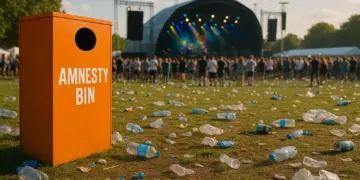
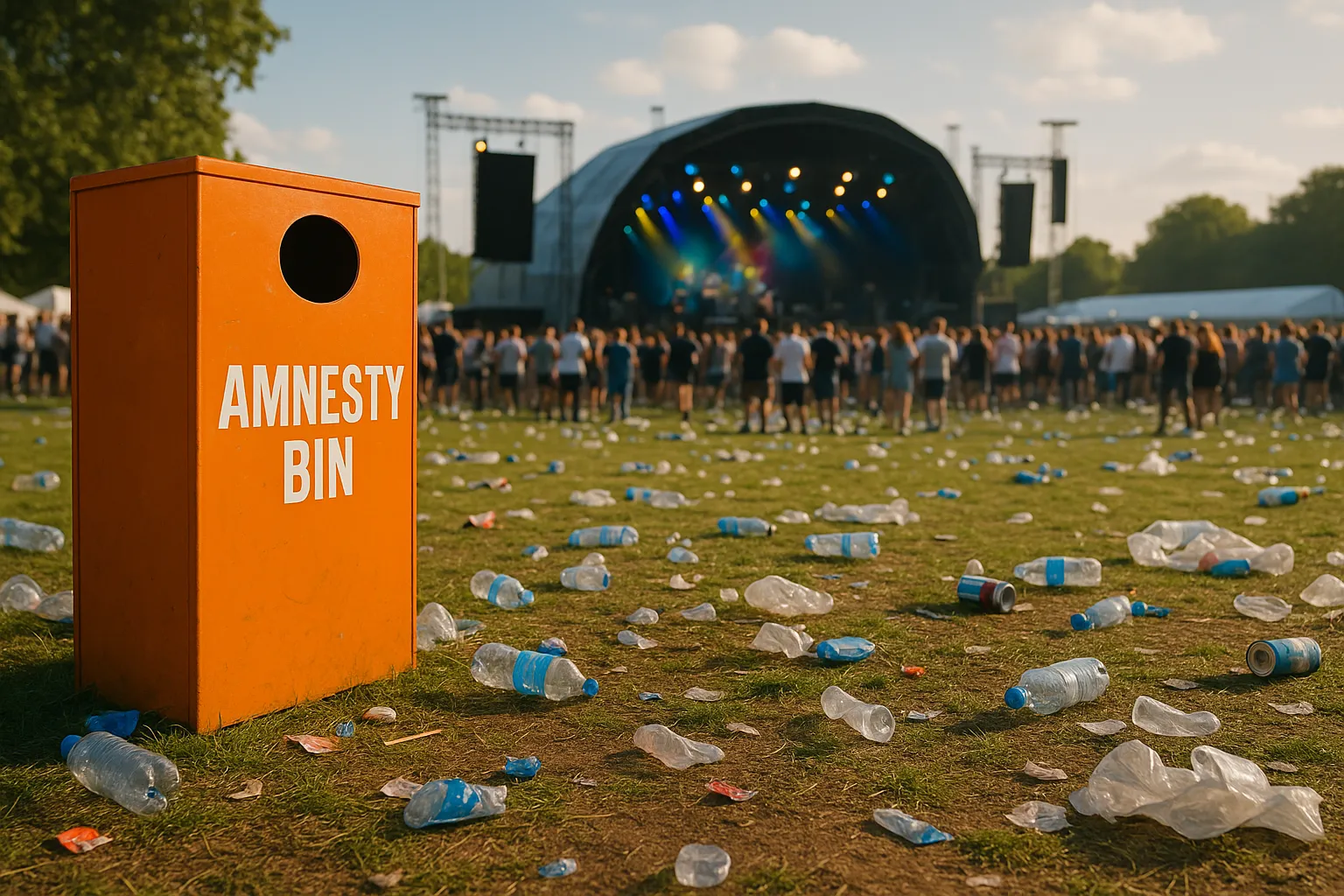
Amnesty bins will be positioned at entry points of these events, allowing individuals to dispose of any illicit substances safely and without fear of repercussions. This initiative aims to foster a zero-tolerance environment toward drug use while encouraging attendees to make responsible choices.
Superintendent Hagan also noted the necessity for festival-goers to take immediate action if they observe someone exhibiting signs of distress or illness. “We emphasise that if someone appears unwell, seek help right away,” he stated. The police are keen to promote a culture of care and support within the festival community.
An independent charity, Crimestoppers, is launching a summer campaign to further educate the public about the dangers of drug use. This initiative includes strategically-placed posters and digital messaging to inform attendees of the risks while empowering them to report suspicious activities anonymously. Individuals can reach out to Crimestoppers via telephone at 0800 555 111 or online at www.crimestoppers-uk.org to impart information without revealing their identity.
For those impacted by drug or alcohol-related issues, support services are accessible through the website www.DrugsAndAlcoholNI.info, where individuals can find resources tailored to help them navigate their circumstances.
Local health professionals and community leaders have echoed the PSNI’s message, stressing the importance of personal safety at public events. It is widely recognised that festivals should serve as enjoyable communal experiences; therefore, a concerted effort is necessary to maintain a safe environment for all.
As summer music events draw near, both the police and community organisations are keen to foster a sense of collective responsibility among festival-goers. Awareness and preparation are crucial components in ensuring that the festivities remain enjoyable for everyone involved.
In summary, as Northern Ireland gears up for a lively summer of music and celebration, the call for safety resonates strongly from local law enforcement. Attendees are reminded to keep safety at the forefront of their plans, with straightforward strategies that can contribute significantly to a safe festival atmosphere. By working together, individuals can help safeguard their health and wellbeing while enjoying the vibrant culture of Northern Ireland’s music scene.
Our Thoughts
To enhance safety at music festivals and reduce risks associated with drug use, several proactive measures could have been implemented. Firstly, event organizers should have incorporated comprehensive risk assessments in line with the Management of Health and Safety at Work Regulations 1999 to identify potential dangers and create safety protocols.
Effective communication strategies, such as visible signage about the dangers of drug use, along with educational campaigns prior to the event, could have reinforced safer choices among attendees. Furthermore, implementing designated safety officers trained in first aid and drug awareness could ensure immediate assistance for those in distress.
Regarding relevant regulations, breaches could occur if there were insufficient safety measures or inadequate staffing to monitor and assist festival-goers, violating the Health and Safety at Work Act 1974.
In the future, similar incidents could be prevented through stronger collaboration between organizers, local authorities, and health services to develop tailored strategies for safety enforcement and emergency response, fostering an environment that prioritizes attendee wellbeing and minimizes risks.