












Story Highlight
– French Bee has world’s narrowest airline seats at 42.4 cm.
– Average Brit’s shoulder width is 48.8 cm.
– French Bee uses 10-abreast layout to maximize capacity.
– Competing airlines typically feature wider seats.
– Japan Airlines offers the widest economy seats available.
Full Story
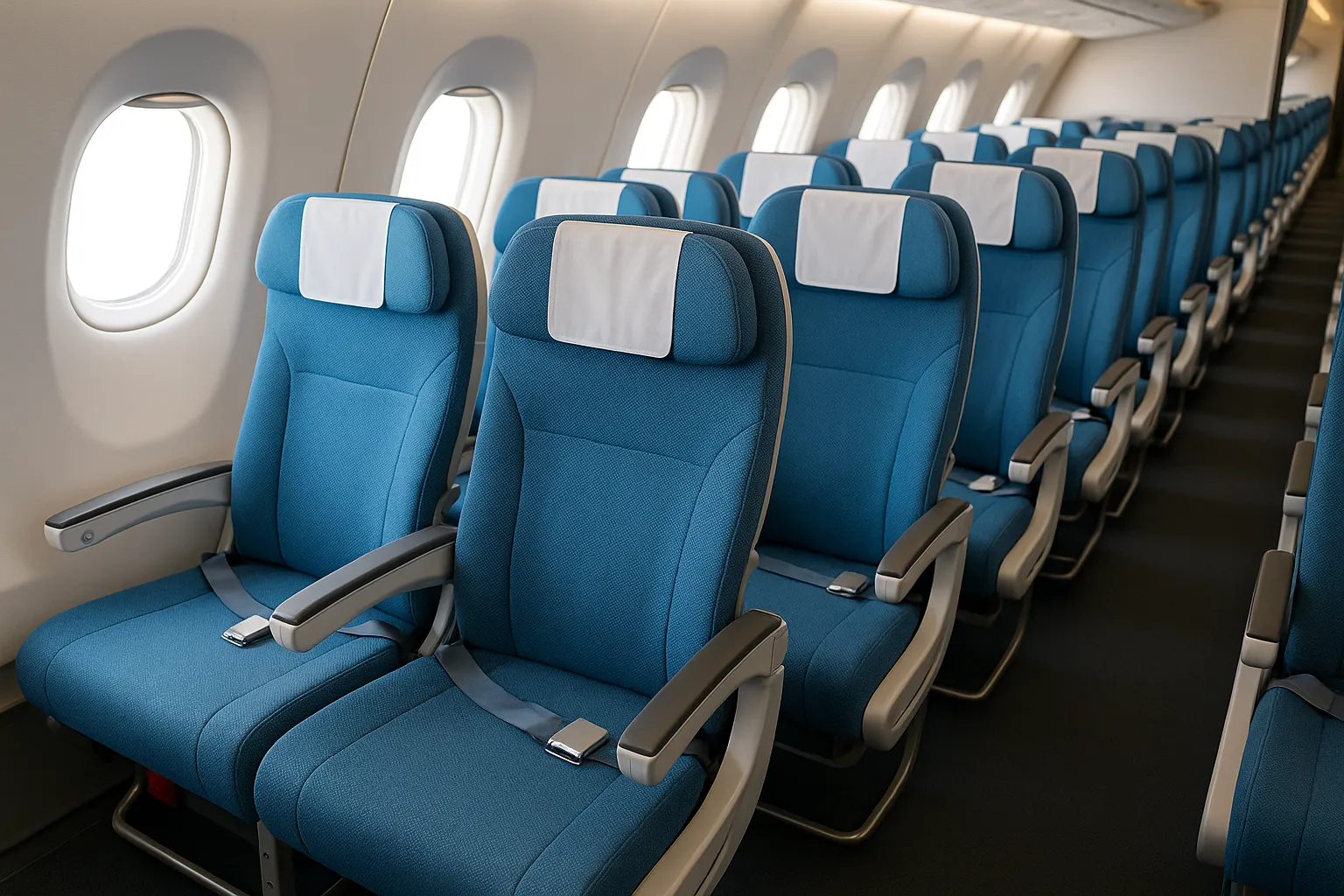
The trend of shrinking airline seats has raised eyebrows, particularly as some carriers offer increasingly cramped accommodations. A recent investigation has revealed that among budget airlines, one stands out for having the narrowest seats available to travellers. In an analysis of public aircraft specifications, French Bee, a low-cost long-haul airline operating out of Paris Orly Airport, has emerged as the company with the most confined seating, offering dimensions of just 42.4 centimetres in width.
This narrow seat measurement is particularly notable when compared to the average body size of passengers in the UK. The Health and Safety Executive’s anthropometric data indicates that the typical shoulder width of an adult Brit measures approximately 48.8 cm, illustrating a considerable disparity between passenger size and available seating.
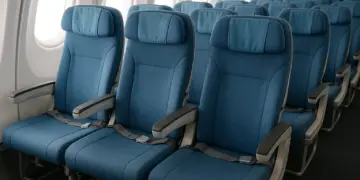
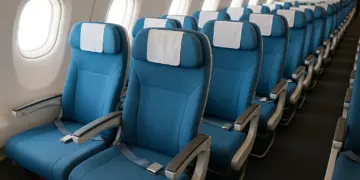
French Bee’s approach to maximising onboard capacity is evident in its aircraft design. While most airlines operating the Airbus A350 typically arrange their cabins in a 9-abreast configuration (three seats on either side of the aisle), French Bee opts for a tighter layout. By implementing a 10-abreast configuration—organised variably in either a 2-4-2 or 3-4-3 format—the airline affords itself a greater number of seats. This increased density, however, inherently reduces the individual seat width, resulting in the slim 42.4 cm dimensions. The only exception within the cabin appears at the rear, closer to the tapering of the fuselage, where a standard 3-3-3 seating layout resumes.
In contrast, Air France, which operates the same aircraft model, adheres to the conventional 9-abreast seating, providing a slightly more spacious seat width of 45.7 cm. This comparison underscores the aggressive cost-saving measures that low-cost carriers like French Bee often implement, especially as they enter the long-haul flight market.
Although seat width plays a crucial role in passenger comfort, other factors are equally significant. One such aspect is the seat pitch, defined as the measurement from a seat location on one row to the same location on the row directly in front or behind. Airlines typically offer various seat pitches, which can greatly impact the overall comfort of the flight experience.
For a clearer picture of how French Bee measures up against other airlines, a brief overview of seat sizes reveals varying degrees of comfort across different carriers:
– **French Bee:** 42.4 cm width; seat pitch not disclosed.
– **Ryanair:** Approximately 43 cm width; pitch ranging from 71 to 97 cm.
– **British Airways:** Approximately 43 cm width; pitch of 74 to 79 cm.
– **Jetstar:** Approximately 45.5 cm width; seat pitch at 71 cm.
– **Vueling:** Approximately 44.5 cm width; pitch of 74 cm.
– **EasyJet:** Seat width between 44.5 to 45.7 cm; pitch approximately 74 cm.
– **United Airlines:** Width ranging from 43 to 44.5 cm; varying pitch of 76 to 81 cm.
– **Delta Airlines:** Width between 43.7 to 46 cm; pitch of 79 to 84 cm.
– **Southwest Airlines:** Width around 45 cm; pitch between 76 and 81 cm.
On the other hand, when examining the broader landscape of airline seating, Japan Airlines distinguishes itself for providing some of the most spacious accommodations in the industry. Frequently regarded as the airline with the widest standard economy seats, Japan Airlines has employed an innovative eight-abreast configuration known as the “Sky Wider” on its Boeing 787 aircraft. This design intentionally reduces row capacity by one seat, allowing for wider seats measuring approximately 48 to 48.3 cm, thereby enhancing passenger comfort.
As the aviation sector continues to evolve, the dynamics of seat sizing remain a prominent topic. The push for higher profitability has prompted many budget airlines to maximise the capacity of their aircraft, often at the expense of passenger comfort. Such strategies reflect the broader trends within the industry, as airlines balance the need to remain competitive with the desire to cater to comfortable travel experiences.
French Bee has not yet provided a statement regarding these findings or its choices in cabin configuration. As the airline industry grapples with the implications of seat dimensions on passenger enjoyment, continued scrutiny is expected from both patrons and industry analysts alike.
As air travel becomes an integral part of modern life, the implications of seat design, width, and overall passenger experience will inevitably remain at the forefront of discussions surrounding budget carriers. Consumers are urged to consider these factors carefully when choosing an airline, especially for long-haul journeys where comfort can greatly influence the quality of travel.
Our Thoughts
The article highlights potential safety and comfort issues related to the narrow seating configuration of French Bee’s aircraft, particularly as it operates long-haul flights. To mitigate similar incidents, airlines should adhere to the Health and Safety at Work Act 1974, which mandates achieving a safe working and traveling environment.
Key safety lessons include ensuring passenger comfort to prevent health issues such as deep vein thrombosis during long flights, which can be exacerbated by limited space. Additionally, the Provision and Use of Work Equipment Regulations 1998 could be applicable, as they require that equipment (including aircraft seating) is suitable for the intended purpose and poses minimal risk to safety.
The breach of passenger safety standards, as outlined in the Civil Aviation Authority regulations concerning passenger carriage and comfort, could result from such cramped seating arrangements. Airlines should conduct thorough risk assessments to consider passenger physical dimensions and ergonomics in their aircraft layouts. Implementing wider seat designs, especially for long-haul flights, could prevent discomfort and promote passenger wellbeing, thereby enhancing overall safety.