








Story Highlight
– Iceland and Tesco warn of E. coli contamination.
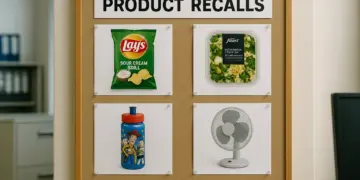
– Tesco recalls Mozzarella Pearls and Pesto Orzo Salad.
– Various Snacksters wraps withdrawn over E. coli risk.
– Simple face wash recalled for microbiological risks.
– Customers advised to dispose of affected products immediately.
Full Story
**Urgent Health Warnings Issued by Supermarkets Over Contaminated Products**
This week has seen significant health warnings issued by both Iceland and Tesco, following the discovery of potentially harmful contaminants in certain food products. Customers are being urged to refrain from using affected items, as they may pose serious health risks, including food poisoning linked to E. coli bacteria.
The Food Standards Agency (FSA) has been at the forefront of these recall notices, alerting consumers to the dangers associated with specific food items sold in these retailers. As a precautionary measure, the agency has advised shoppers not to consume these products and to follow instructions for safe disposal instead.
**Tesco’s Product Recall**
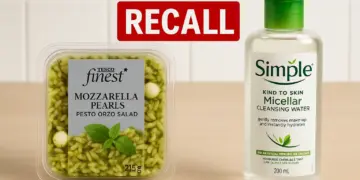
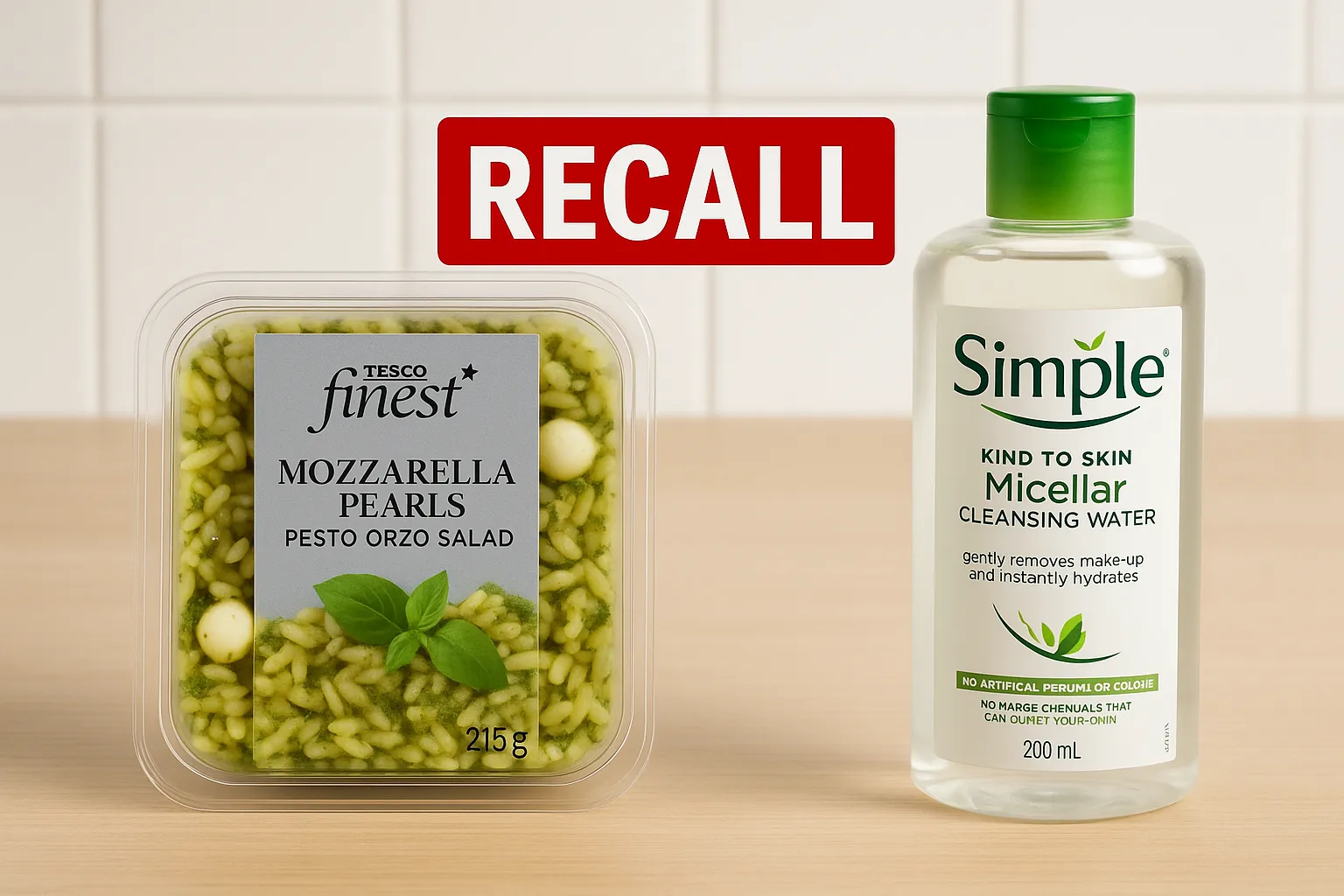
In a recent development, Tesco has taken steps to recall its Tesco Finest Mozzarella Pearls and Pesto Orzo Salad. The items in question are available in 215-gram packets, with best-before dates that have unfortunately already passed—August 25, 26, and 27 of 2026. Despite these dates, there is concern that some customers may still hold onto these products in their homes.
The FSA’s alert indicates that these products may contain Shiga toxin-producing E. coli (STEC). This particular strain of bacteria can lead to severe health issues, including intense abdominal pain, vomiting, and dehydration, as well as potentially life-threatening conditions such as hemolytic uremic syndrome (HUS). The FSA’s recommendation is clear: “If you are experiencing these symptoms, you should stay away from work, school or nursery until you have not had symptoms for at least 48 hours to avoid passing it on to others.”
In a statement from Tesco, the supermarket confirmed the recall and stated, “We are recalling three date codes of Tesco Finest Mozzarella Pearls and Pesto Orzo Salad 215g. This is due to the possible presence of Shiga toxin-producing E. coli (STEC), which can cause illness if eaten. No other products sold at Tesco are affected by this recall.”
**Concerns Over Chicken Wraps**
Another area of concern involves several chicken wrap products produced by Summit Foods. The recall encompasses the Snacksters Chicken Fajita Wrap, Snacksters Hoi Sin Wrap, East Street Deli Sweet Chilli Chicken Wrap, and Target a Snack Chicken Fajita Wrap. The items are being removed from shelves due to the potential presence of STEC, with all use-by dates included up to September 5, 2026.
The FSA has specifically advised any customers who may have purchased these affected wraps to refrain from eating them and to dispose of them safely. Customers can seek a refund by providing proof of purchase to Summit Foods via their specified email address, indicating when and where they bought the items.
Iceland has also responded to concerns regarding the Snacksters Chicken Fajita Wrap, reiterating the importance of customer safety through their announcement: “If you have purchased, please dispose of immediately and DO NOT CONSUME, then provide proof of purchase on sales@summitfoods.co.uk, stating when and where purchased. Safety and quality is our first priority, and we apologise for the inconvenience caused.”
**Simple Skincare Recall**
In addition to food-related recalls, there is growing concern regarding a skincare product. The well-known brand Simple has issued a recall for its popular Simple Kind to Skin Micellar Cleansing Water due to potential “microbiological risk.” This recall has been extended to include all sizes of the product, specifically the 200ml, 400ml, and 730ml bottles. Users are warned that the affected batches could potentially lead to eye inflammation, hence the urgent need for immediate cessation of use.
The recalls encompass both the UK and the Republic of Ireland, with the company announcing, “We are recalling these products because the safety of the people who buy and use our products is our top priority. Other Simple products are not affected by this issue. We understand that product recalls can be concerning, and we are sorry for any concern or inconvenience this may have caused.”
Batch codes for affected items can be found printed on the base of the bottles. Customers looking for further assistance, guidance, or refund options can reach out to Simple’s Consumer Careline via email or by calling their designated numbers.
**Final Thoughts**
The emphasis from both retailers and health authorities is clear: consumer safety is paramount. Individuals in possession of any of the affected products are strongly encouraged to adhere to recall instructions carefully. It’s a reminder to everyone involved in consumer markets of the importance of swift action and communication in ensuring public health.
As the situation develops, more information and guidance are likely to surface. Free channels such as newsletters and updates from local health agencies remain vital for public awareness and safety.
Our Thoughts
The recent product recalls by Iceland, Tesco, and Simple highlight critical breaches of UK health and safety regulations concerning food safety and hygiene. To prevent such incidents, better quality control measures should have been implemented, particularly regarding food preparation and product testing to ensure no contamination occurs, as mandated by the Food Safety Act 1990 and the Hygiene Regulations.
Regular audits and monitoring of suppliers, along with stringent adherence to Hazard Analysis and Critical Control Points (HACCP) principles, could mitigate risks of E. coli contamination. Furthermore, consumer education on checking product batch codes and best-before dates would empower shoppers to make safer choices.
For cosmetics, enhanced microbiological testing protocols could have prevented the distribution of potentially harmful skincare products.
In conclusion, the key safety lesson is the importance of strict compliance with food and product safety standards to prevent public health risks and ensure consumer safety, thus aligning with the Health and Safety at Work Act 1974. Regular training and improved safety practices across supply chains are essential to avoid similar future incidents.