











Story Highlight
– Primark recalls 101 Dalmatians Zip Purse due to health risks.
– Product contains harmful phthalates above permitted levels.
– Shoppers advised to stop using and return for refund.
– Sold in UK stores from March to June 2026.
– No receipt needed for full refund at any store.
Full Story
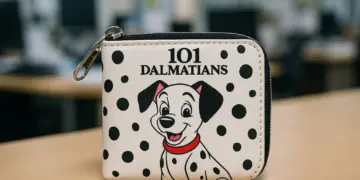
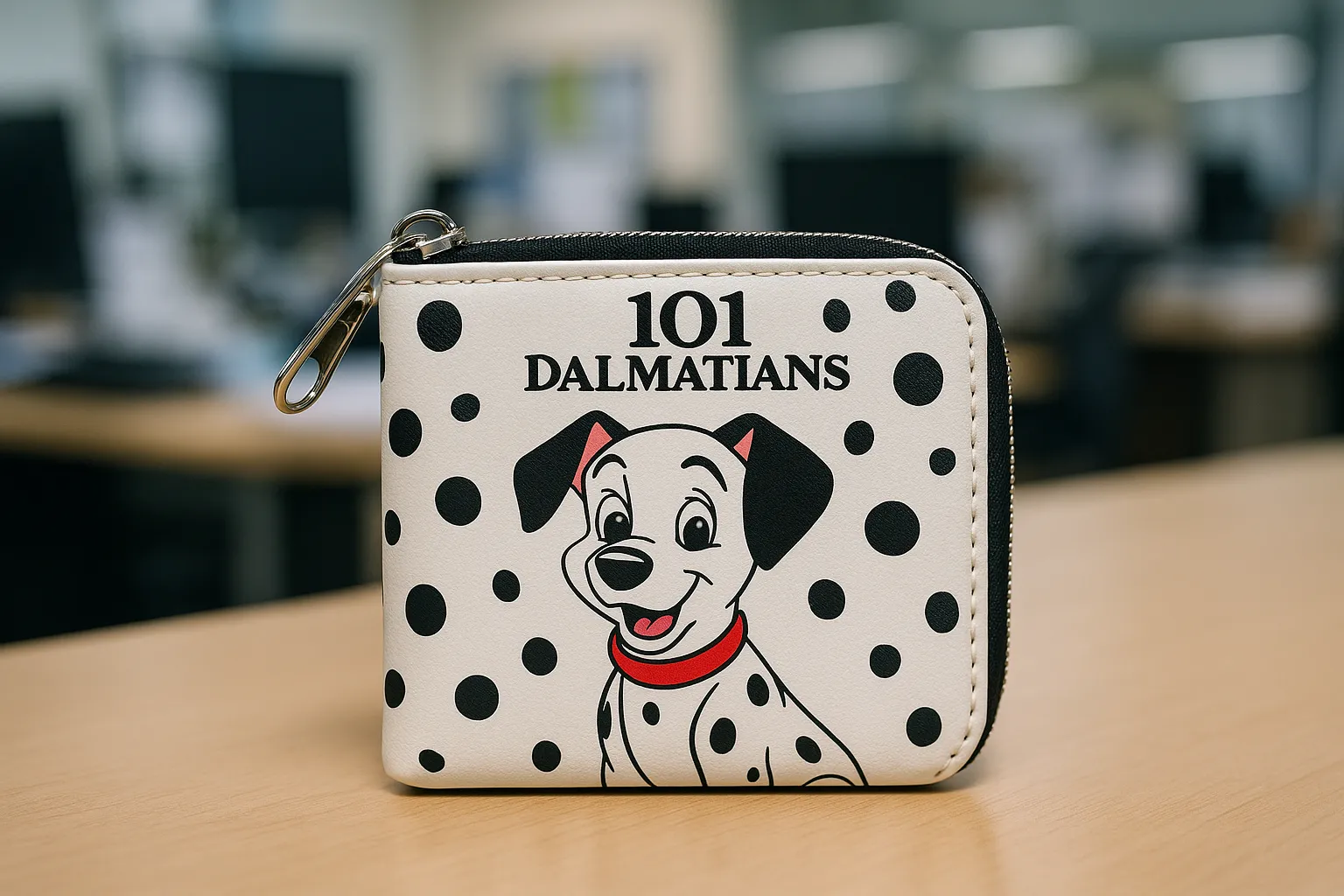
Primark has initiated an urgent recall of a fashion accessory following the discovery that it contains harmful chemicals above permissible levels. Customers who bought the affected item—the 101 Dalmatians Zip Purse—are being instructed to cease use immediately and return it to any Primark location for a complete refund, regardless of whether they possess a receipt.
The recall is a response to the revelation that the faux leather purse, which is part of Primark’s Disney collection, contains phthalates. These synthetic substances, commonly added to plastics to enhance flexibility and softness, have raised concerns due to their potential health risks, particularly for children. Excessive exposure to phthalates has been linked to reproductive health issues, resulting in the necessity for the recall.
A notice from Primark outlined the details, stating, “We are recalling our product pictured above due to a safety issue. Model: 101 Dalmatians Faux Leather Coin Purse (Kimball no. 2595301).” The product was sold in stores across the UK between March and June of 2026, and Primark has acknowledged that it falls short of the brand’s stringent safety standards.
It is crucial for the public to be aware of this recall, and Primark is encouraging individuals to notify others who may have purchased or received the item, ensuring that the information reaches as many affected customers as possible. The retailer’s communication emphasises the seriousness of the health risks associated with the product. “This may cause harm to health and the environment,” it stated, highlighting the dual risk posed to consumers and ecological systems.
In a bid to ease any inconvenience, Primark has stated that customers do not need to provide proof of purchase when returning the item. Anyone who has the purse in their possession is urged to bring it back to the nearest store for a full refund. “We apologise for any inconvenience and concerns this may cause,” Primark stated, reflecting the company’s commitment to customer safety and well-being.
For those needing additional information or assistance concerning the recall, Primark has provided a dedicated email address: help.uk@help.primark.com. This proactive approach is part of a broader effort by the company to manage the situation responsibly and ensure customer awareness.
The safety implications of phthalates have been widely discussed in recent years, with various studies indicating potential links to reproductive issues, hormone disruption, and developmental concerns in children. Environmentalists also express anxiety over their effects on wildlife, prompting calls for stricter regulations regarding chemical use in consumer products.
As the discourse surrounding product safety becomes more prominent in consumer conversations, this recall serves as a reminder of the importance of vigilance when it comes to the items we choose to purchase and use. Primark’s recognition of the issue and swift action underscores the imperative for retailers to uphold high safety standards and protect their customers.
Consumers are reminded that while many products may appear safe and attractive, ongoing testing and assessments can sometimes reveal underlying risks. This incident at Primark highlights the necessity for consumers to remain informed about product recalls and the implications of harmful chemicals in everyday items.
Additionally, the recall raises important questions about the regulatory oversight of chemical substances in products marketed for children. The effectiveness of safety standards and compliance among manufacturers may need reassessment in light of recent findings in various consumer goods. As studies continue to uncover information about the potential hazards posed by certain materials, it is paramount that both companies and consumers remain alert.
In embracing transparency and encouraging timely returns, Primark aims to foster trust and reliability among its customer base. The responsiveness of the retailer can be viewed as a positive step towards reinforcing safety in the fashion industry, highlighting the role consumers play in advocating for better quality and safer products.
Overall, the 101 Dalmatians Zip Purse recall is a significant reminder about the importance of safety in consumer products. As the situation unfolds, it remains vital for all stakeholders—retailers, consumers, and regulatory bodies—to work collaboratively in order to mitigate risks associated with harmful substances in everyday items.
Our Thoughts
The incident involving the recall of Primark’s 101 Dalmatians Zip Purse highlights critical failures in product safety compliance in relation to UK health and safety legislation, specifically the Consumer Protection Act 1987 and the REACH Regulations. These regulations mandate that products must not pose a health risk to consumers, requiring companies to ensure that materials used are within safe limits.
To prevent such incidents, Primark could have enhanced its product testing protocols before market release, ensuring that any components, including decorative materials, complied with safety standards regarding harmful substances like phthalates. Regular audits and checks of suppliers for compliance with safety regulations can further mitigate risks.
Key safety lessons include the need for rigorous pre-market testing and quality assurance processes to detect harmful chemicals, emphasizing accountability in the supply chain. Additionally, companies should maintain transparent communication with consumers regarding recalls to foster trust and safety awareness.
To prevent similar incidents, retailers should adopt stricter policies for supplier compliance and increase awareness of health safety regulations within their teams. By doing so, companies can better safeguard consumer health and avoid potentially hazardous products reaching the market.