













Story Highlight
- Survivors of torture continue to suffer fear and trauma.
- Immigration debate often overlooks the experiences of vulnerable people.
- NHS faces pressure from demand, exacerbated by immigration narratives.
- Government reforms must consider needs of torture survivors.
- Compassion and understanding are essential for healing survivors.
Full Story
Dr Priyesh Patel, an NHS emergency medicine doctor and humanitarian, has shared insights on the enduring impact of torture on survivors who seek refuge in the UK. He highlights the deep fear and trauma that remains with individuals long after they have escaped persecution and violence. Through his experiences, Patel notes that many refugees, despite overcoming significant challenges such as imprisonment and treacherous journeys, continue to suffer from psychological scars and physical injuries.
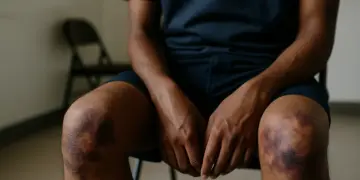
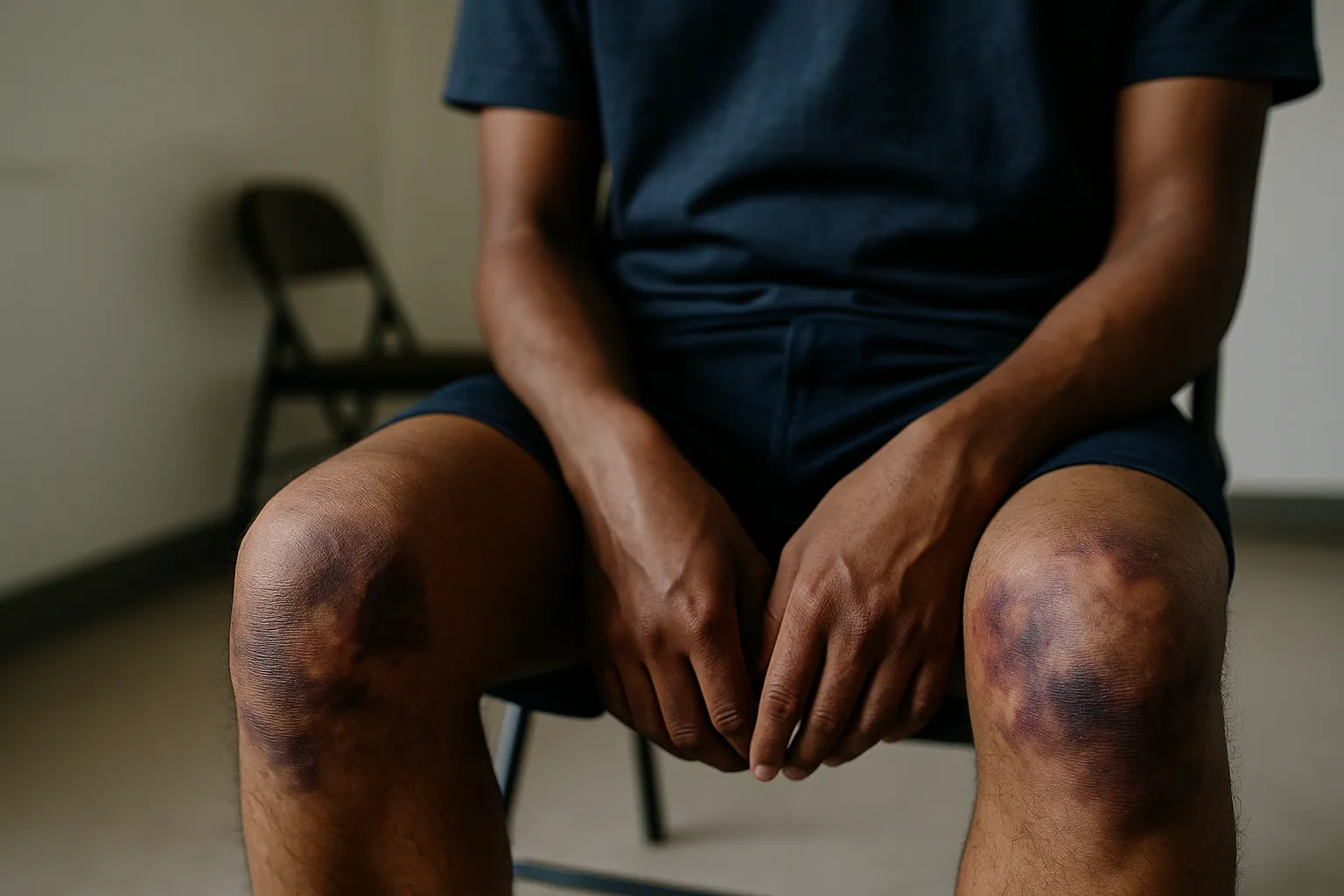
In a North London hospital, Patel encountered a man who lost a finger due to torture in Iran and another survivor needing reconstructive surgery for severe injuries sustained during abuse. He underscores that the trauma inflicted by torture does not subside upon reaching safety, raising concerns about the public perception of refugees. Patel cautions against the tendency to blame refugees for pressures on housing and healthcare, citing frustrations with public services but insisting that the narrative must address the causes rather than scapegoat vulnerable individuals.
He stresses that many refugees’ stories begin long before their arrival in Britain, mired in experiences of persecution, torture, and violence. The discussion around immigration must recognise the humanity of those seeking safety and not reduce them to mere statistics or political issues. Furthermore, Patel urges the government to consider the needs of torture survivors in proposed changes to the asylum system, advocating for proper recognition of their traumatic experiences and access to necessary support.
He calls for improvements in the asylum process to ensure accurate decisions are made on claims and for survivors to receive trauma-informed healthcare essential to their recovery. Patel points out that current barriers prevent many individuals from accessing critical support provided by organisations such as Freedom from Torture.
Reflecting on his interactions with survivors, Patel emphasises their stories as vital to understanding the human impact of immigration policies. He concludes by noting the obligation of NHS doctors, many of whom are migrants themselves, to assist in the healing of those who have suffered through unimaginable horrors. The lingering scars of trauma are a reminder of the importance of compassion towards every individual seeking refuge.
Source: read the original report.