













Story Highlight
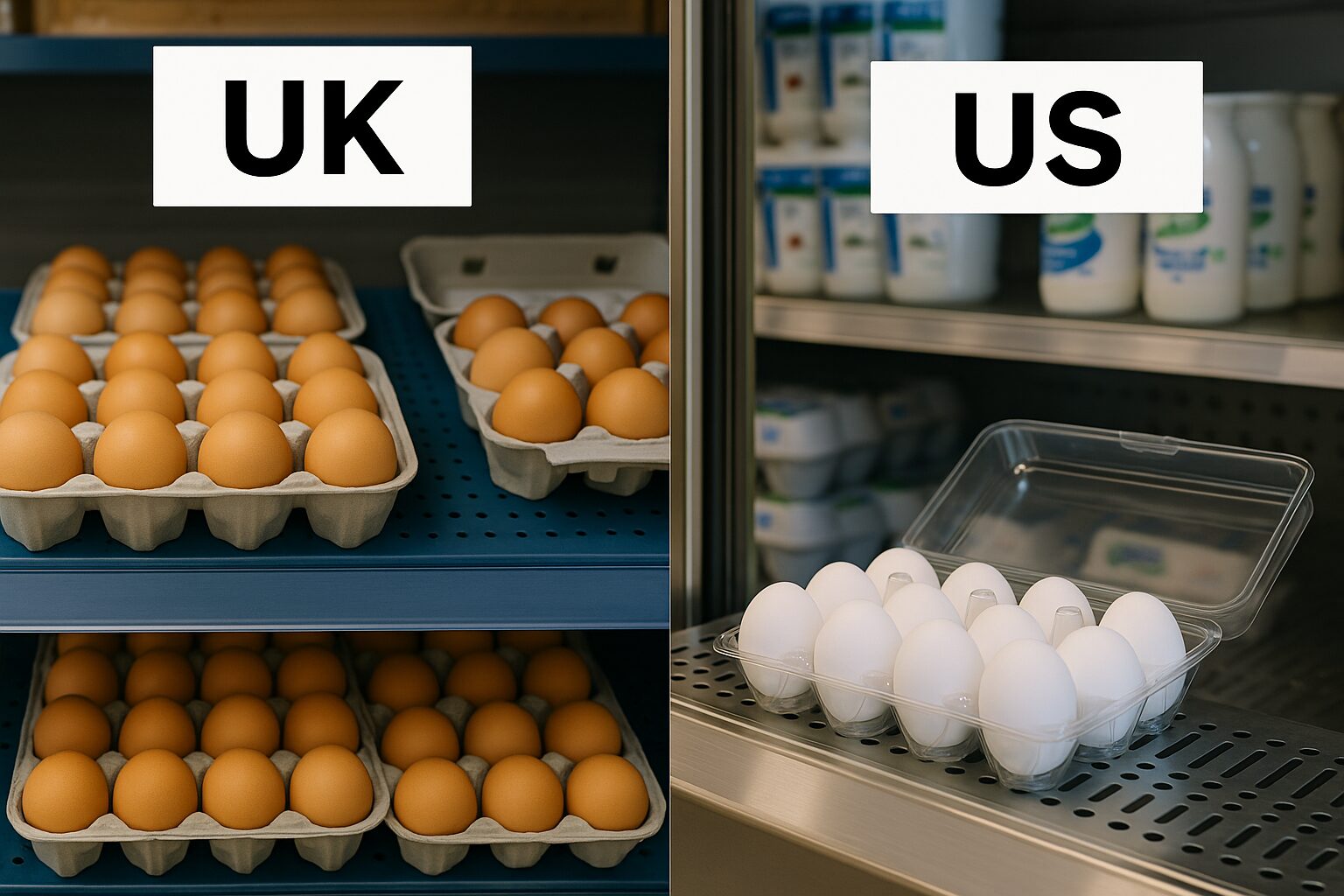
- In the UK, eggs are sold unrefrigerated in grocery stores.
- Servers take credit cards away in US restaurants, not UK.
- Halloween celebrations are minimal in the UK compared to the US.
- Buying rounds of drinks is customary in UK pubs.
- NHS provides free medical care, but wait times can be long.
Full Story
An American expat residing in the UK has highlighted several cultural differences experienced between her life in the United States and that of her British husband. The couple, who met after her move to Scotland in 2017, have navigated a range of divergent norms and expectations.
One significant difference noted was the handling of credit cards in restaurants. The husband was surprised when a server at a US restaurant took his card away for processing, a practice he views as a security risk. In the UK, servers typically bring a card machine to the table, allowing patrons to complete their transactions with supervision.
Seasonal traditions also differ greatly. The wife, hailing from New England, expressed her surprise at her husband’s unfamiliarity with autumn activities such as “leaf-peeping,” which involves travelling to witness the changing colours of leaves. He found the concept laughable and questioned the need for hayrides and corn mazes, which are popular in the US.
Halloween, a major celebration in the US, is considered less significant in the UK, with the couple finding minimal festivities in their local Scottish city. Tipping bartenders is another notable contrast; while established as a common practice in the US, it is not the norm in UK pubs, where ordering rounds among friends is customary.
The couple also contrasted expressions of patriotism in both countries. Casual American patriotism, such as flying flags or wearing themed apparel, is perceived as unusual in the UK, particularly in urban areas. Furthermore, the husband indicated discomfort at the thought of electrical outlets in bathrooms, a standard feature in the US, but less common in the UK due to safety regulations.
Culinary differences extend into everyday life, affecting coffee preferences and food packaging practices. The couple found that coffee in the UK often does not correspond to the American expectation of drip coffee, while pancake orders would yield crêpes instead of the familiar fluffy variety found in the US. Additionally, eggs in the UK are usually sold unrefrigerated, contrasting with US practices where they are refrigerated after being washed to prevent contamination.
Healthcare also presents stark differences; while medical care is free in the UK under the National Health Service, this often comes with longer waiting times compared to the US system, where healthcare is privatised. The wife recounted her experience of waiting over a year to see a specialist, while her husband received rapid treatment for a serious illness. Notably, in Scotland, patients are sometimes required to bring their own supplies to hospitals, a practice not common in the US.
The husband further pointed out how unusual it is for Americans to pay for prescription medicines, since Scotland has offered free prescriptions since 2011, while England still charges patients for NHS prescriptions. This comparison underscored the broader variances in healthcare between the two nations.
This account from the couple illustrates the rich tapestry of contrasting lifestyles and perceptions that arise from their respective cultural backgrounds.
Source: read the original report.
What this means for your site
The article does not address any workplace, public, product or consumer safety matters, so there are no applicable lessons for organisations regarding health and safety legislation or improvements that could be made. There are no incidents discussed that would allow for a practical analysis based on UK health and safety legislation.