










Story Highlight
- Households advised to prepare for emergencies beyond their front door.
- Check safety measures like smoke alarms and utility shut-off points.
- Review insurance policies, including flood coverage for risky areas.
- Encourage neighbour support and create communication plans for emergencies.
- Stock emergency supplies for potential service disruptions lasting days.
Full Story
Households across the UK are being encouraged to prepare for emergencies according to new guidance from the Government. This initiative advises residents to implement several basic safety measures within their homes, such as learning how to turn off gas, electricity, and water, testing smoke alarms monthly, and ensuring insurance policies are up to date. Individuals are also urged to assess the flood risk in their areas and to sign up for relevant flood and weather alerts.
In a significant emphasis on community involvement, the guidance suggests that neighbours collaborate to establish contact details and agree on methods to check on one another during emergencies, particularly in the event of power outages. The recommendations are part of the Government’s Prepare campaign, which highlights that emergencies can arise from severe weather, natural hazards, accidents, deliberate actions, or infrastructure failures, with the potential for disruption lasting from seconds to extended periods.
Key pieces of advice include regularly testing smoke alarms, identifying how to shut off utilities, and discussing emergency plans with all household members. Furthermore, the guidance encourages homeowners and businesses to ensure they possess adequate insurance, particularly in flood-prone areas.
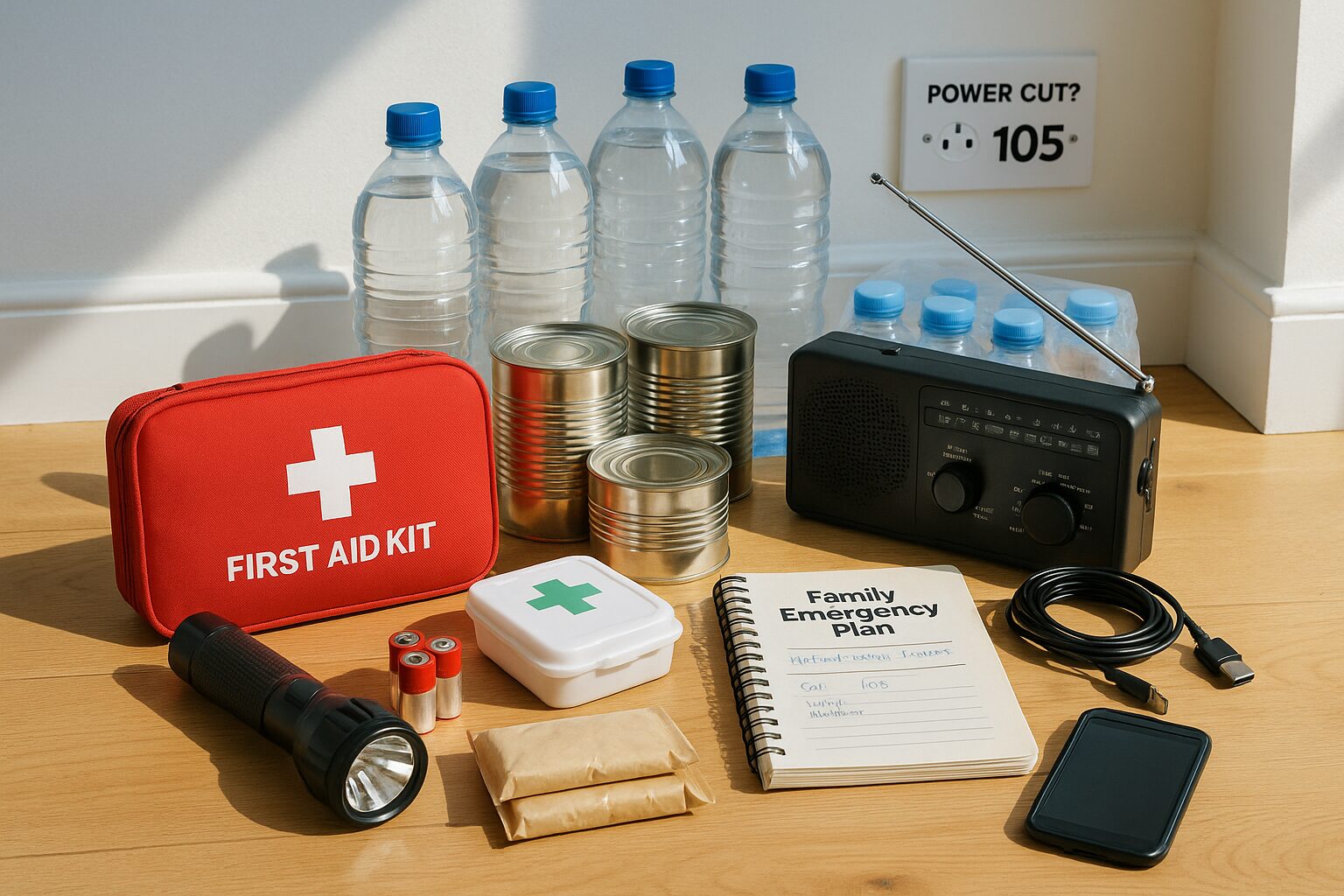
Residents are advised to develop a family emergency plan that includes escape routes in case of fire, protocols for flooding, and establishing a meeting point should anyone be unable to return home. Important contact numbers should be documented where they are easily accessible in case of power failure. This list should contain numbers to report power cuts, emergency contacts, medical information, and insurance details.
While advising the use of smartphones for storing contact and medical information, the Government cautions individuals about the privacy of such data. Key information should also be kept in paper form. Parents are encouraged to educate their children on what to do in emergencies, including how to contact emergency services and memorising addresses.
The guidance also stresses community support, recommending that residents exchange contact details with neighbours and consider forming messaging groups for sharing information during emergencies. Additionally, those who might require extra support are advised to check their eligibility for their utility supplier’s Priority Services Register.
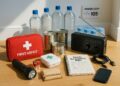
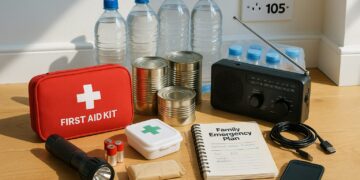
In preparation for possible disruptions extending over several days, residents are encouraged to keep essential supplies together, including items such as flashlights, power banks, radios, non-perishable food, and sufficient drinking water. The Government notes the World Health Organisation’s recommendation of 2.5 to 3 litres of drinking water per person per day, while emphasising that individual needs may vary.
More detailed information can be found through the Government’s resources.
Source: read the original report.