









Story Highlight
- Peter Murphy moved a spider and suffered a serious health crisis.
- His wrist became swollen leading to severe conditions and coma.
- Doctors warned amputation might be necessary if infection spread.
- Murphy adopted healthier lifestyle after recovery and significant weight loss.
- Couple’s new habits improved their overall health and well-being.
Full Story
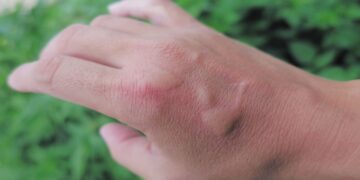
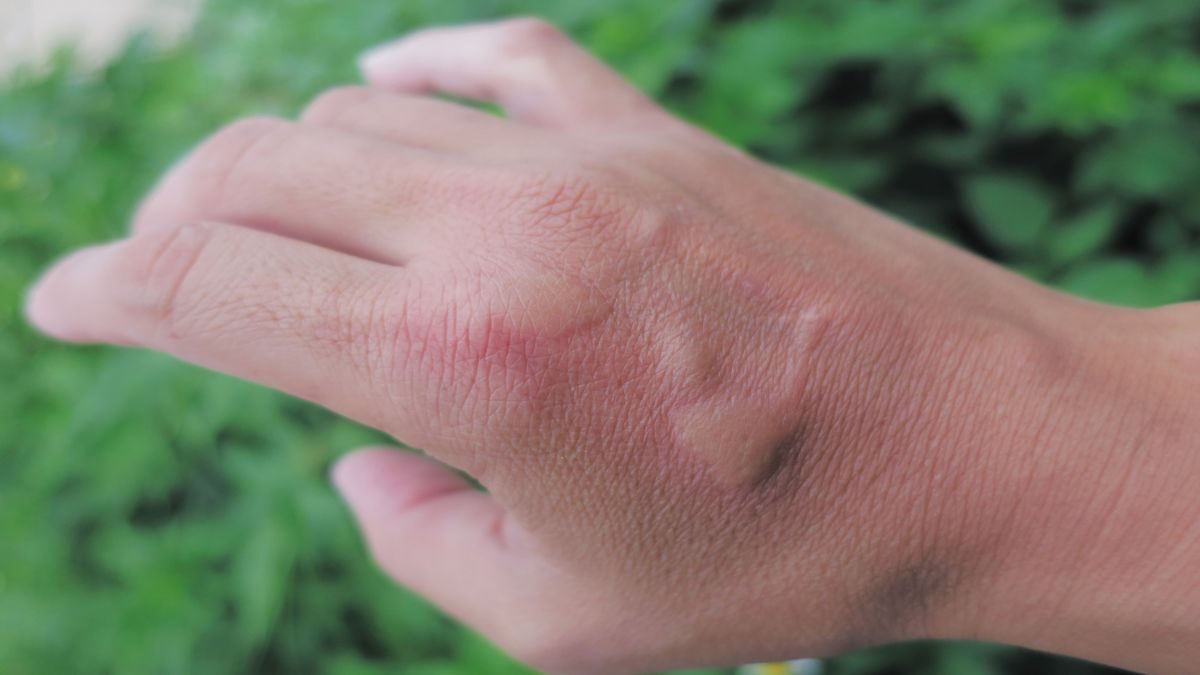
A health and safety manager from Mansfield, Peter Murphy, faced a life-threatening ordeal following a spider bite in October 2022. Initially, Murphy, who noticed what he termed a “strange” spider on his bed, decided to carry it outside. Shortly after this encounter, he experienced significant swelling and redness in his right wrist, which escalated to serious health complications that resulted in difficulties with speech and necessitated hospitalisation.
Doctors informed Murphy’s wife, Toni, that the infection could lead to amputation of his arm if it continued to spread. Reflecting on his harrowing experience, Murphy stated, “At this point, my life was flashing before my eyes. I turned to Toni, managed a smile, and said, ‘I don’t think I’m going to make it through this. This could be goodbye.'”
Over the course of his treatment, which included four surgeries and a four-day coma, Murphy was diagnosed with necrotizing fasciitis along with severe cellulitis and sepsis. During his hospital stay, he also received distressing news regarding his family; he learned that his sister had been admitted to a ward above him after the death of his brother.
Following his recovery, which involved skin grafts and physiotherapy to regain movement in his hand, Murphy and Toni reassessed their health and lifestyle. They adopted new eating habits, moving away from calorie-dense foods such as fried breakfasts and kebabs. In early 2025, they joined Slimming World, resulting in a combined weight loss of 142 pounds, with Murphy losing 93 pounds and Toni losing 49 pounds. Along with dietary changes, they began playing badminton three times a week, which reportedly alleviated issues like breathlessness and chest pain.
Murphy described the emotional shift resulting from the experience as significant, stating, “We only gave up one thing — and that was the weight we were carrying. We said goodbye to our worries about dying and said hello to living.”
Murphy’s experience, while unique, has drawn attention amidst various incidents involving unfamiliar spider species, highlighting a range of reactions to such encounters.
Source: read the original report.
What this means for your site
This incident highlights the importance of understanding health risks associated with wildlife encounters, even in residential settings. Although it stems from a personal experience, it reminds site managers and business owners of the need for health and safety awareness beyond traditional workplace injuries. The Health and Safety at Work etc. Act 1974 mandates that employers ensure the health and safety of their employees and others affected by their activities. Additionally, the Management of Health and Safety at Work Regulations 1999 require risk assessments that could include health hazards from wildlife, particularly in settings where employees may encounter animals or insects.
To prevent similar incidents, sites should implement a clear procedure for reporting and managing wildlife encounters, including training staff on recognizing potential hazards and responding appropriately. Regular health and safety training sessions can equip employees with knowledge about the risks of animal bites and the necessary first aid steps. Furthermore, fostering an environment where employees feel comfortable reporting such encounters can enhance overall safety and health awareness.