











Story Highlight
- Skin lightening practices raise significant health concerns worldwide.
- Patients often present with symptoms linked to unregulated products.
- Cultural influences drive the desire for lighter skin in communities.
- Illegal products may contain harmful ingredients like mercury and corticosteroids.
- Healthcare professionals must approach consultations with sensitivity and understanding.
Full Story
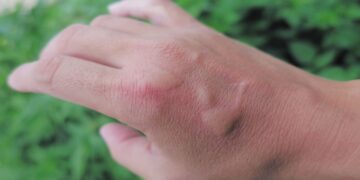
Patients using skin lightening products often do not disclose their use, presenting instead with symptoms such as persistent facial rashes and steroid-induced acne. Consultant pharmacist Sunil Kochhar highlights the importance of recognising these signs in primary care. Skin lightening practices, driven by cultural and social influences, pose significant health risks, particularly when patients use unregulated products.
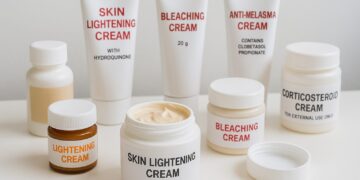
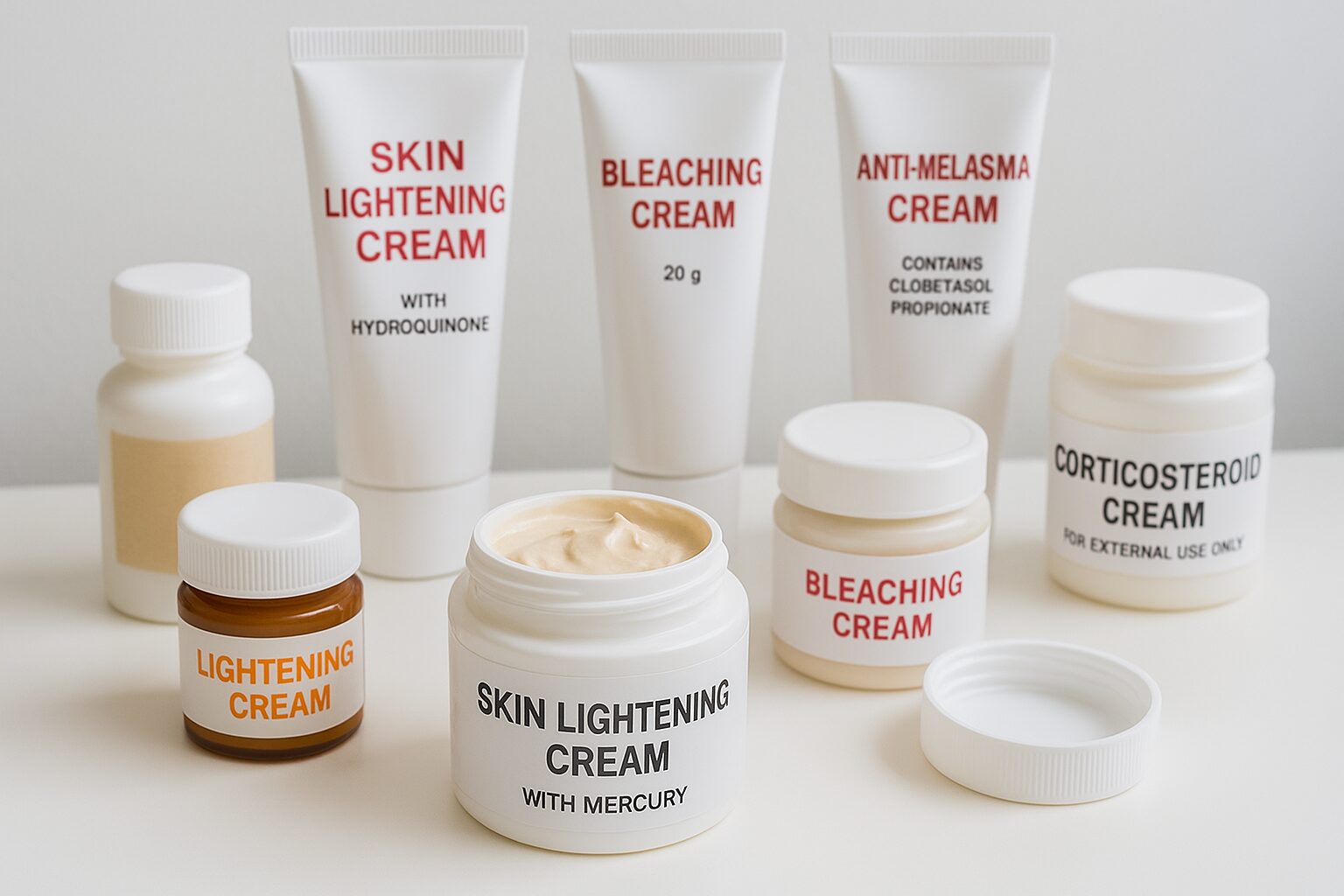
Legitimate depigmenting treatments are available for conditions like melasma but the widespread availability of illegal products raises concerns. These often contain harmful ingredients such as hydroquinone, which is banned in over-the-counter products in the UK, and potent topical corticosteroids like clobetasol, which can lead to severe skin damage and systemic absorption.
Mercury is another hazardous substance found in some counterfeit creams, associated with numerous health risks including renal and neurological toxicity. Despite regulations prohibiting these substances in cosmetics sold in the UK, illegal products continue to circulate through informal channels, and healthcare professionals are urged to remain vigilant.
Healthcare providers are encouraged to approach the issue of skin lightening use sensitively, recognising that some patients may feel societal pressure regarding skin tone. Pharmacists are advised to routinely inquire about cosmetic products purchased abroad, especially in patients presenting with unexplained dermatological symptoms.
Management of patients using these harmful products goes beyond cessation. Experts recommend restoring the skin barrier and treating underlying conditions while emphasising that recovery can take time. A non-judgemental approach during consultations is essential, focusing on skin health and safety.
Kochhar emphasises that skin lightening practices intersect various fields including dermatology, public health, and psychological well-being. Community pharmacists and practice nurses can play a crucial role in identifying and addressing the health risks associated with illegal skin lightening products.
Source: read the original report.
What this means for your site
The article highlights significant health risks associated with unregulated skin lightening products, calling for heightened vigilance from healthcare professionals. To mitigate such risks, implementing robust training on recognizing harmful product use within healthcare settings is vital. This could involve regular educational sessions for pharmacists and site managers focused on current trends in unsafe cosmetic products. Additionally, organizations should improve communication with patients, fostering an environment where they feel safe discussing their use of skin lightening products without fear of judgment.
Relevant UK health and safety legislation includes the Health and Safety at Work etc. Act 1974, which mandates employers to ensure, as far as reasonably practicable, the health, safety, and welfare of employees. The General Service Regulation (2009) also necessitates proper information, instruction, and training for employees in handling potential hazards. Further, legal duties are established under the Consumer Protection Act 1987 regarding product safety. Establishing a clear protocol for reporting and managing incidents related to unregulated products should be prioritized, including a systematic approach to identifying patients at risk.