















Story Highlight
– BBOWT prohibits foraging on its wildlife reserves.
– Foraging popularity linked to social media influence.
– Picking fungi disrupts ecological balance and wildlife food sources.
– Experts recommend guided foraging to ensure sustainability.
– Connection with nature encourages responsible foraging practices.
Full Story
In recent years, the practice of foraging for food has gained widespread popularity as individuals seek to cultivate a deeper bond with nature while harvesting unique ingredients often absent from grocery shelves. However, a recent advisory from the Berks, Bucks and Oxon Wildlife Trust (BBOWT) has reignited discussions surrounding the ecological implications of this trend, specifically regarding foraging within their nature reserves.
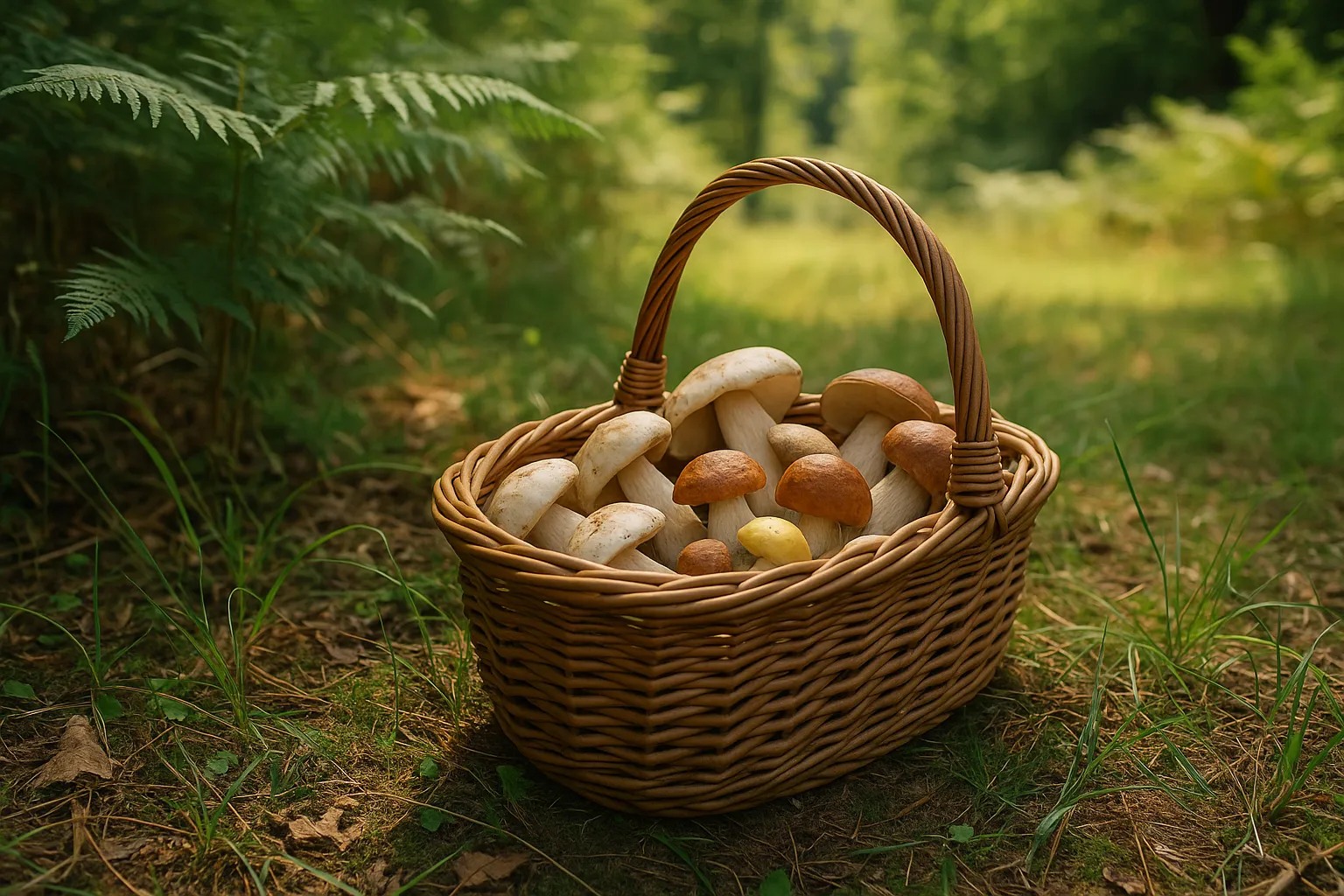
The BBOWT has issued a clear message to visitors, cautioning that foraging, including the collection of mushrooms and toadstools, is strictly prohibited within their protected areas. A spokesperson for the organisation explained, “Mushrooms and toadstools are the reproductive part of the fungus and picking them can stop the fungus from releasing its spores to sustain a healthy population.” This practice not only disrupts the life cycle of fungi but also deprives numerous wildlife species of essential food sources.
The surge in foraging’s popularity is partially attributed to the rise of social media platforms, where accounts dedicated to showcasing foraged foods have proliferated. Enthusiasts can quickly learn about the benefits of acorns and the perils of deathcap mushrooms through a simple scroll on Instagram. Despite the allure of foraging, experts express concern that those engaging in the practice without adequate knowledge may inadvertently harm their health or the environment. Critics have labelled this trend as predominantly a pastime of the “middle-class foragers,” who may not possess the requisite skills for responsible foraging.
BBOWT emphasised the importance of respecting nature’s delicate balance, stating, “We want people to come to our nature reserves and enjoy the wildlife we have there, including all the fantastic rare and unusual species that you won’t see at a local park, in farmland or other parts of the countryside. If you’re going to take anything at our nature reserves, make it a photograph, and please leave the beautiful wildlife for others to enjoy.”
Andy Coulson-Phillips, Principal Ecologist at BBOWT, elaborated on the fragile ecology within their reserves. “Our wildlife reserves are home to a number of sensitive and protected species of fungi, and even if they are not the targets for foragers, they can be harmed through trampling and disturbance,” he noted. He pointed out that indiscriminate foraging often results in the picking of various species, many of which are discarded after being deemed unsuitable for consumption.
According to Coulson-Phillips, activities such as blackberry picking can be harmless when performed responsibly. However, he warns that the lower availability of fruiting fungi means that harvesting a few mushrooms could equate to removing an entire blackberry bush, signalling the need for caution and care among those who venture into the wild in search of food.
For those keen to forage legally and sustainably, the Association of Foragers offers guidance and resources. Liam O’Brien, a Dorset-based foraging expert, noted the importance of educating newcomers. “I lead foraging walks for most of the year, and a lot of people come on the walks with little knowledge,” he commented. O’Brien highlighted the personal connection that in-person walks create and remarked, “It’s good that people are wanting to reconnect and learn.”
Furthermore, O’Brien advocates for a right-to-roam movement akin to legislation previously passed in Scotland, promoting responsible access to the countryside that is currently restricted by private ownership.
He strongly believes that individuals should be able to explore the natural landscape respectfully. For those interested in embracing foraging, O’Brien advises finding qualified foraging guides through the Association of Foragers’ website. “It can really help to increase people’s confidence, help them understand the risks and learn how to do it sustainably,” he suggested, urging foragers to consider the environmental impact of their actions.
Liz Shearer, a community engagement director at BBOWT, also stresses the significance of fostering a connection with nature. “Time spent outdoors promotes a deeper connection to nature, but how we interact with nature is more important,” she explained. Understanding the complexities of nature and foraging can enhance individuals’ awareness and inclination to engage in conservation efforts.
Shearer noted that enjoying nature doesn’t necessarily require taking from it. “You can notice nature and search for species without actually foraging,” she stated, emphasising that a stronger connection to the environment can encourage individuals to actively participate in its protection. The call to foragers, and indeed all nature enthusiasts, is to consider the ecological impact of their actions and to leave as much as possible for the intricate web of life that thrives in these natural spaces.
Key Takeaways
– BBOWT prohibits foraging on its reserves to protect fungi and wildlife.
– Concerns exist about the growth of foraging, particularly among inexperienced individuals influenced by social media.
– Indiscriminate foraging can harm sensitive species and disrupt ecosystems.
– Experts advise learning from certified foraging guides to ensure sustainable practices.
– Connection with nature promotes environmental awareness and responsible behavior.
– Foraging enthusiasts are encouraged to leave some resources for wildlife and other foragers.

Foraging can be a positive way to reconnect people with nature but it must be done responsibly. The ban by BBOWT is a practical response to protect fragile habitats and the species that rely on fungi and plants. Social media driven surges in interest often bring inexperienced people into sensitive sites, increasing trampling, overharvesting and disturbance. Encouraging guided, informed activities, clear guidance on where foraging is permitted and stronger public education will help balance access with conservation.
Foraging can be a positive way to engage with nature but only when done with care and knowledge. Removing fungi and other plants from sensitive habitats can harm food webs and soil health, and increased footfall driven by social media can damage fragile ground flora and disturb wildlife. Encouraging guided, informed foraging, clear signage and strong local guidance helps protect sites while allowing people to learn about wild foods safely.
Responsible foraging matters. Unregulated picking can damage habitats and remove food sources for wildlife, and the rise in online sharing makes sensitive sites easier to find and pressure. Guided activities, clear local guidance and public education are practical ways to reduce harm while allowing people to enjoy nature. Respecting reserve rules helps protect the ecosystems others depend on.