













Story Highlight
– 9-inch B&Q table fan recalled for safety issues.
– Risk of fire or electric shock identified.
– Sold from March to July 2026.
– Return fan immediately to nearest B&Q store.
– Manufactured by Kingfisher International Products Limited, China.
Full Story
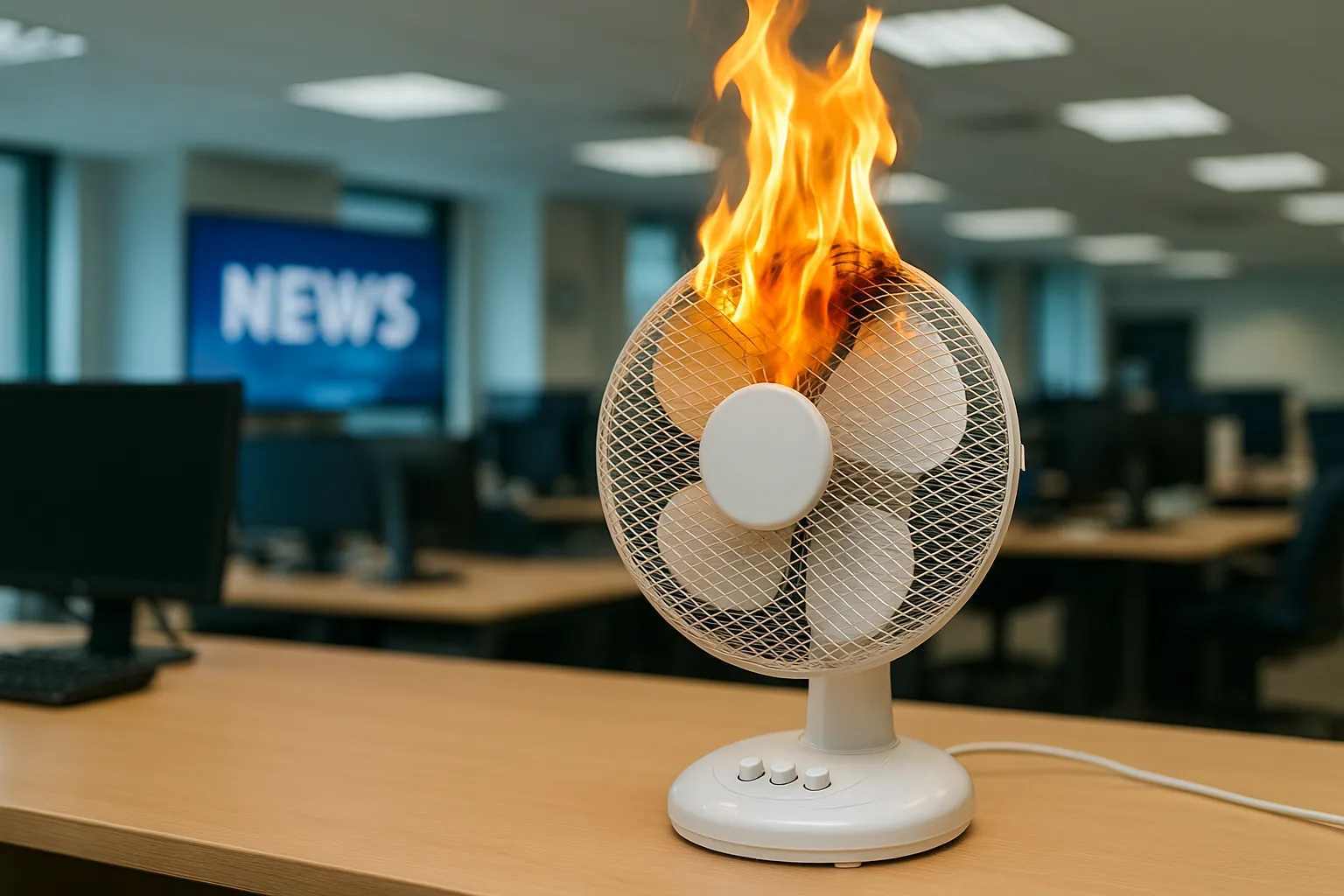
A specific model of table fan sold in the UK has been identified as a potential health risk, prompting an urgent recall notice from the retailer B&Q. The 9-inch table fan, available from March to July 2026, has raised concerns due to issues with an electrical component that may lead to overheating. This situation could result in serious safety hazards, including the risk of fires and electric shocks.
B&Q has issued an immediate request for customers who purchased this model to discontinue its use and return it to the nearest store. The warning was officially announced on Tuesday, August 4, with the company advising, “If you have purchased one of these models during the time period above, please stop using it immediately and return to your nearest B&Q store.”
To assist affected customers, B&Q has made provisions for inquiries via their customer service channels, as well as through direct visits to local stores. The UK’s Office for Product Safety and Standards has reinforced this recall via social media, categorising the associated risk as ‘medium’ and detailing that “the product presents a risk of electric shock and fire as there is a fault within the oscillation mechanism that can damage internal wiring.”
In a bid to ensure widespread awareness, the safety office also encouraged users to “stop using it immediately” and return the fan promptly to B&Q. In addition, they advised sharing this important safety message with others who might possess the same product.
Manufactured by Kingfisher International Products Limited in China, the fan is characterised as a 23cm (9-inch) white table fan, distributed exclusively by B&Q during the aforementioned time frame. The specific details for the product recall include the model number FT23A and the barcode 5063022605689, along with batch numbers 25W50, 26W05, and 26W11.
This recall highlights the critical importance of consumer safety and the role retailers play in ensuring their products do not pose any danger to the public. Safety experts suggest that consumers should remain vigilant and report any abnormal behaviour in electrical devices to the manufacturer or the appropriate safety authorities.
Moreover, this incident serves as a reminder to review product safety notices regularly and stay informed about any recalls, particularly during periods of intense weather when electrical appliances may see increased usage. Additionally, consumers are advised to adhere to safety guidelines provided by manufacturers and retailers, particularly when using electronic products, to mitigate potential risks.
The proactive measures taken by B&Q in announcing this recall underscore their commitment to customer safety, as they have responded swiftly to address the issues associated with the fan. It is not uncommon for products to be recalled due to manufacturing faults, and this instance illustrates the necessity of effective quality control and responsive customer service protocols in retail operations.
As more consumers become aware of the recall, it is anticipated that B&Q will continue to provide clear instructions and support to mitigate any issues arising from this situation. The general advice for consumers includes being cautious with older electrical appliances, ensuring that wiring is intact, and avoiding the continued use of any device that shows signs of damage or unusual operation.
In conclusion, those who own the affected 9-inch table fan should take immediate action to ensure their safety and that of others by adhering to the recall guidelines. The urgency of the situation has been highlighted throughout various communications from safety bodies and B&Q, reinforcing the message that proactive response to recalled products is essential in preventing harm.
Our Thoughts
The incident involving the B&Q table fan highlights several areas where safety measures could have been strengthened. Firstly, manufacturers must ensure rigorous testing of electrical components to comply with the Electrical Equipment (Safety) Regulations 1994, which mandate equipment to be safe and without risks. Enhanced quality control during production could have identified the overheating issue before distribution.
Additionally, clear labeling and information on potential risks related to overheating could have been provided, aligning with Consumer Protection Act 1987 duties to inform consumers adequately about product hazards.
In terms of prevention, implementing a more proactive surveillance system for monitoring product safety post-sale could allow early detection of potential faults, facilitating timely recalls and minimizing risk to consumers.
Lastly, more effective communication strategies for product recalls, through various channels and quicker alerts, could improve consumer engagement and awareness, reducing the likelihood of unsafe usage. These key lessons underline the importance of robust manufacturing practices, transparent consumer communication, and effective regulatory compliance in preventing similar incidents.