






Story Highlight
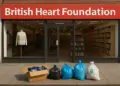
– British Heart Foundation has nearly 700 charity shops.
– Certain clothing must have safety labels to be accepted.
– Used pillows, duvets, and quilts are not accepted.
– Children’s car seats, prams, and cots are rejected.
– Personal appliances and weapons cannot be donated.
Full Story
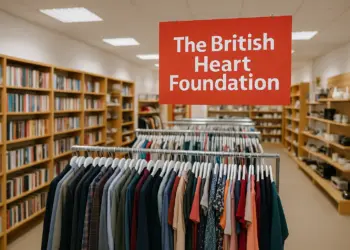
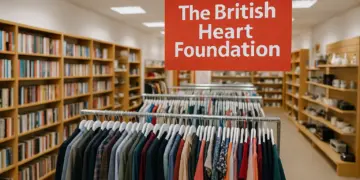
The British Heart Foundation (BHF) operates as the leading charity retail chain in the United Kingdom, boasting nearly 700 stores dedicated to transforming unwanted items into vital funds for heart research and support initiatives. As the season of spring cleaning approaches, many individuals look to declutter their homes by donating items to local charity shops. However, it is essential for potential donors to be aware of the specific regulations BHF has in place regarding donations, particularly when it comes to household goods and clothing.
This well-respected charity provides an important service to both the community and the causes it supports, but not every item left at their doors can be accepted. Various health and safety regulations underpin these rules, designed to ensure both the safety of volunteers and customers. Though many people might instinctively gather their old clothing in preparation for a visit to a charity shop, they may be surprised by the comprehensive list of items that BHF cannot accept for valid reasons ranging from legal to ethical.
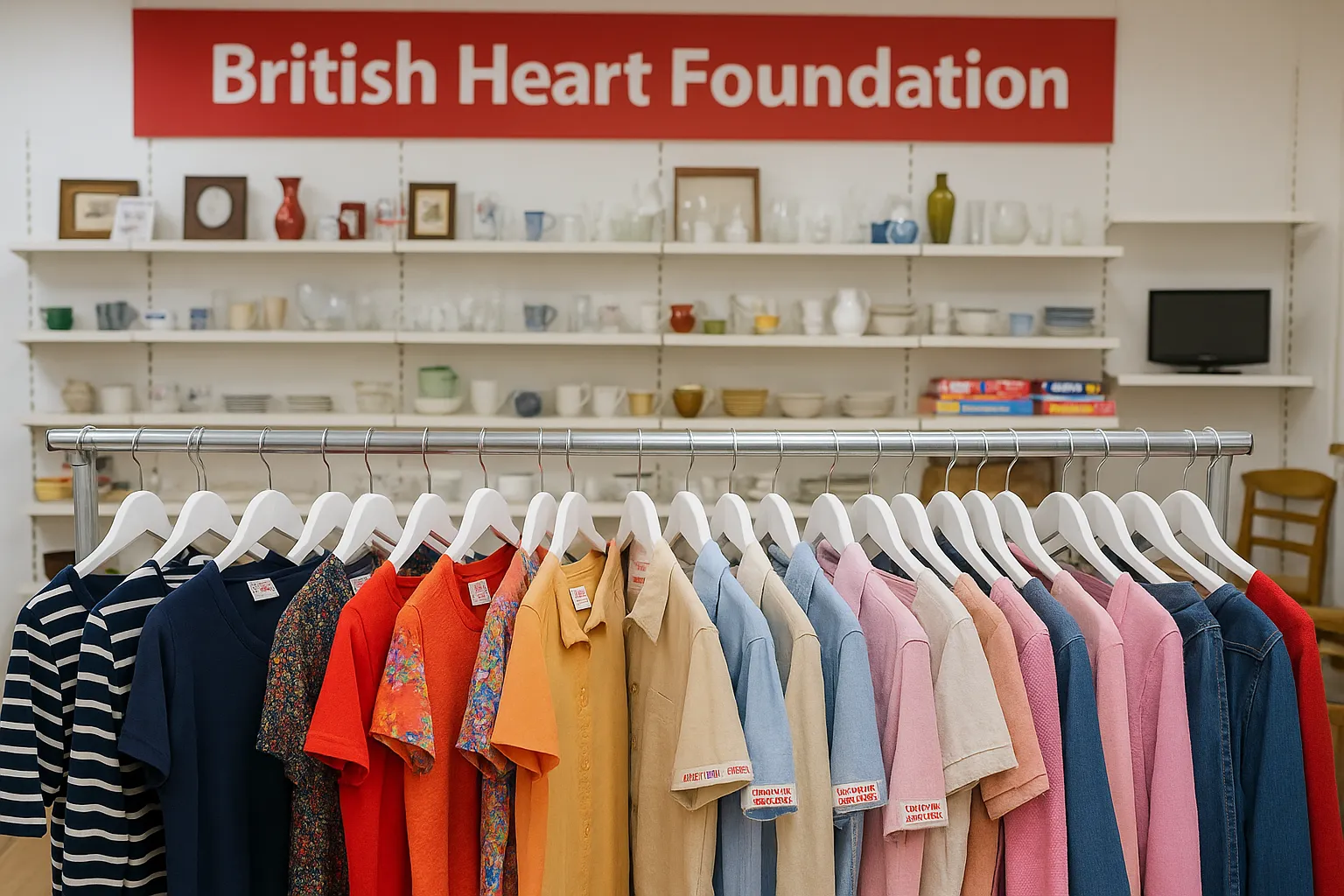
Clothing donations make up a significant portion of what charities receive. While the BHF certainly welcomes clothing in good condition, there are specific requirements that must be met. For example, any fancy dress outfits must carry a flammability label, indicating that they are compliant with safety standards, which assures that they are safe for sale. The charity does not accept adult fancy dress costumes that lack such labeling. Child-friendly costumes face a similar standard—CE/UKCA safety marks must be present for children’s outfits as well as for nightwear, which includes pyjamas and dressing gowns.
Additionally, it is important to note that any children’s clothing items with drawstring hoods are outright banned from donations due to safety concerns. Homemade knitted garments are also rejected as they do not meet the standard safety guidelines enforced by the organisation.
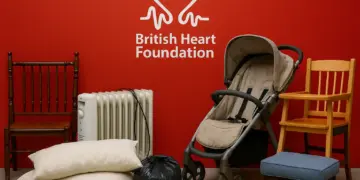
BHF also runs dedicated furniture and homeware stores where a careful selection of items is accepted. Donations are expected to be in satisfactory condition, but specific stipulations must be considered. For instance, items lacking fire safety labels—such as upholstered furniture or bedding—are ineligible for donation. Used pillows, duvets, quilts, and similar items are also excluded unless they have the necessary safety markings. Any furniture painted with lead paint or that shows signs of wear beyond acceptable limits will not be taken in this carefully curated retail context.
Particularly stringent rules are also enforced regarding children’s items. While pre-loved baby equipment is often sought after, the BHF cannot sell certain items due to significant safety liabilities. Car seats and booster seats, as well as pushchairs, prams, and buggies, fall into this category, marking them as unsuitable for resale. According to the organisation, safety standards must be strictly adhered to, further extending to cots, high chairs, playpens, and safety gates, thus preserving the wellbeing of children.
Additional restrictions include the refusal of inflatable beds, water toys, and other similar equipment. While donating items that others might find beneficial may seem harmless, the risks associated with these items justify their exclusion from potential sales.
Beyond clothing and children’s equipment, there are several other categories that the BHF deems inappropriate for donation, primarily for hygiene purposes. Personal care appliances—such as electric razors or foot spas—must be unused and sealed to be accepted. Moreover, any form of weapon is strictly forbidden. Items that pose considerable hazards, including certain electric devices, oil lamps, and power tools, can pose risks and are not suitable for resale under any circumstances.
It is advisable for individuals looking to donate to reach out to local BHF volunteers for guidance on their potential contributions. Understanding the do’s and don’ts of donations could significantly ease the process for both donors and charity shop staff.
With the BHF’s comprehensive guidelines outlined, would-be donors can ensure their contributions are suitable, allowing for a more efficient donation process. The charity shops champion the cause of raising funds to tackle heart diseases in a meaningful way, relying on the generosity and understanding of the public to navigate these rules effectively.
Overall, while the notion of donating unwanted items is commendable, awareness of donation guidelines ensures that contributions directly benefit the causes that the British Heart Foundation supports, while safeguarding the health and safety of the wider community. Aspiring donors are encouraged not only to check their items against the stipulated donation criteria but also to reflect on the wider implications of their contributions, ensuring that they assist the BHF in maintaining its vital work in research, education, and support.
Our Thoughts
To prevent potential health and safety incidents at charity shops like the British Heart Foundation, the following measures could be implemented:
1. **Stricter Donor Education**: Enhanced education for donors about the types of items accepted would reduce the risk of hazardous donations. Clear signage and communication materials outlining policies would align with Regulation 3 of the Health and Safety at Work Act 1974, promoting a safer environment.
2. **Effective Screening Process**: Implementing a more rigorous screening process for donations could help ensure that prohibited items are identified before they reach the stores. This would be in line with the Management of Health and Safety at Work Regulations 1999, requiring effective risk management.
3. **Regular Staff Training**: Providing regular health and safety training for volunteers and staff on identifying unsafe items supports compliance with relevant legislation and reinforces the importance of adhering to safety guidelines.
4. **Waste and Hazard Management**: Establishing a protocol for disposing of unsafe items can mitigate risks. This aligns with the Control of Substances Hazardous to Health Regulations 2002, ensuring that potentially harmful donations are managed appropriately.
By addressing these areas, charity shops can enhance their operational safety and better protect their staff, volunteers, and the public.