
















Story Highlight
– Company fined £340,000 for employee safety failure.
– Worker sustained long-term hand injury during machinery cleaning.
– HSE stresses importance of safe isolation procedures.
– Inadequate training and supervision identified in investigation.
– Incident highlights need for robust lock-off procedures.
Full Story
A manufacturing firm has faced significant penalties following an incident that left an employee with severe injuries while performing maintenance on machinery at its Swindon facility. Tyco Electronics UK Limited was fined £340,000 after a worker suffered considerable damage to his hand during a machine cleaning operation on 7 March 2023.
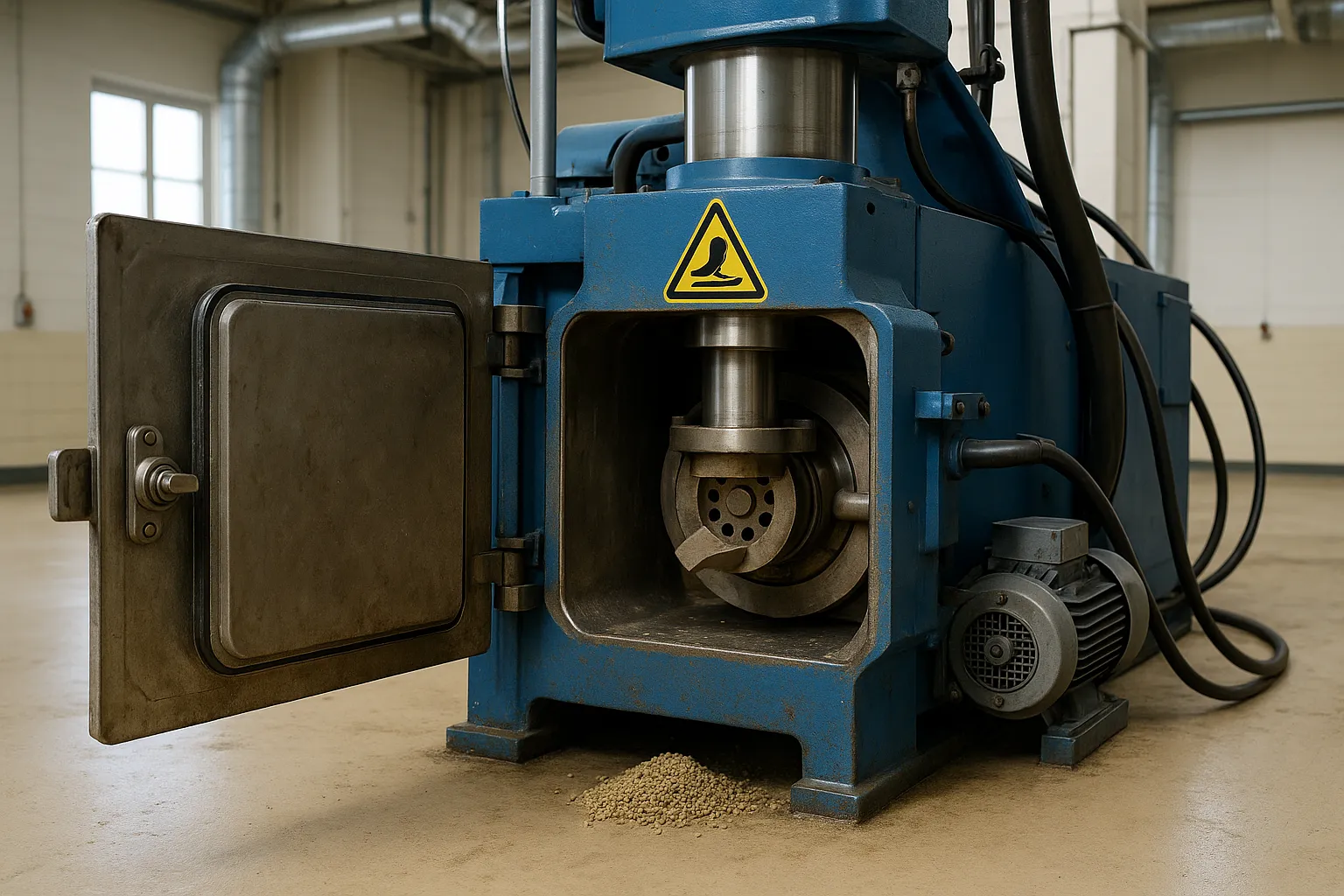
The injured employee, a 42-year-old man, was engaged in cleaning a machine responsible for producing pellets from various raw materials during his night shift at the company’s Faraday Road site. As part of the cleaning process, the worker manually elevated the hydraulic ram within the machinery and opened the access door. In an unfortunate turn of events, while attempting to withdraw his arm, the door unexpectedly fell and activated the hydraulic ram, resulting in his hand becoming trapped.
Despite the severe pain, the worker managed to free his arm, but not without inflicting significant trauma that involved tearing nerves and tendons. Following the incident, he required three surgical procedures to reattach his fingers and spent ten days recuperating in hospital. His recovery is ongoing, as he continues to attend Southmead Hospital for regular physiotherapy and dressing changes twice a week. Although he has seen some improvement, particularly in the movement of his thumb, he still experiences diminished sensation and function in his fingers.
An investigation conducted by the Health and Safety Executive (HSE) revealed that Tyco Electronics UK Limited failed to implement adequate safety measures to protect its employees during cleaning operations. The inquiry determined that the company did not provide sufficient information or training regarding the safe operation and cleaning of the machinery. Additionally, it was found that supervision of the employees was lacking, contributing to the unsafe working conditions.
The HSE highlights the critical importance of adhering to safe isolation and lock-off procedures prior to conducting maintenance or cleaning tasks on equipment. Such procedures are designed to ensure that machinery is completely disconnected from any power source, thereby preventing accidental activation while maintenance work is in progress. Regular monitoring and review of safety systems are vital to ensure compliance and minimise the risk of similar incidents occurring in the future.
On 17 April 2026, Tyco Electronics UK Limited admitted liability for breaching Section 2(1) of the Health and Safety at Work etc. Act 1974. The company faced not only the substantial fine but was also mandated to cover additional costs amounting to £5,145, as ordered by Bristol Magistrates’ Court.
Following the ruling, HSE Inspector Emma Preston remarked on the prevalence of machinery-related accidents during maintenance and the often-serious repercussions such incidents may entail. She emphasised the necessity for workers to ensure that all machinery is correctly isolated from power sources to prevent any unintended activation during maintenance procedures. “Incidents like this can and should be prevented by following robust lock-off procedures,” she stated, underlining the importance of rigorous adherence to safety practices.
The prosecution against Tyco Electronics was initiated by HSE enforcement lawyer Neenu Bains, with assistance from paralegal officer Hannah Snelling, reflecting the regulator’s commitment to workplace safety and employee protection.
The HSE, as Britain’s leading authority on workplace health and safety, is dedicated to safeguarding employees and promoting environments where safe practices are observed. It provides resources and guidance to businesses on how to enhance safety protocols and comply with legislative requirements.
Employers are urged to take the necessary steps to ensure that their operations align with HSE guidelines on the safe use of machinery. This includes conducting thorough risk assessments, providing comprehensive training, and ensuring that all machinery is properly maintained and monitored. By committing to these standards, companies not only protect their workforce but also foster a culture of safety and responsibility within the workplace.
This incident serves as a stark reminder of the vital role that safety procedures play in preventing workplace injuries. As organisations strive to maintain productivity, they must prioritise employee welfare and ensure that safety is not compromised in the pursuit of operational goals. There is a growing emphasis within industries on creating safer environments where risks are minimised through appropriate training and supervision of employees.
In light of this ruling, Tyco Electronics has been called upon to review its health and safety policies thoroughly and implement necessary improvements to prevent future incidents. The importance of learning from such cases cannot be overstated, as they highlight both the human cost of workplace accidents and the legal responsibilities that organisations hold in protecting their staff.
The information surrounding this case, including the specifics of HSE regulations and best practices for machinery safety, can be accessed through the official resources of the Health and Safety Executive, which offers valuable insights for both employers and employees in fostering a safer work environment for all.
Our Thoughts
The incident at Tyco Electronics UK Limited highlights significant lapses in safety protocols and employee training, leading to serious injury. To prevent such occurrences, the company should have implemented strict lock-off and safe isolation procedures before cleaning machinery, adhering to HSE guidance. This would involve ensuring machines were isolated from power sources to prevent inadvertent start-up, as emphasized in the HSE’s guidance on safe use of work equipment.
Furthermore, the company breached Section 2(1) of the Health and Safety at Work etc. Act 1974 by failing to provide adequate safety measures, information, and training to its employees. Regular safety training and supervision should have been enforced to ensure workers are aware of risks and proper procedures.
Key safety lessons include the necessity for robust risk assessments and adherence to established safety protocols during maintenance tasks. Regular audits of safety procedures and equipment use could help reinforce compliance. Implementing these measures would significantly reduce the risk of similar incidents in the future.