
















Story Highlight
– Employee’s fingers reattached after machine cleaning accident.
– Tyco Electronics fined £340,000 for safety breaches.
– Incident occurred during night shift on 7 March 2023.
– HSE found inadequate training and supervision for workers.
– Accident highlights importance of proper lock-off procedures.
Full Story
A manufacturing firm has received a significant penalty following an incident that left an employee requiring extensive medical intervention, including the reattachment of severed fingers. The case pertains to Tyco Electronics UK Limited, located in Swindon, where the unfortunate accident occurred during a night shift on 7 March 2023.
The Health and Safety Executive (HSE) conducted a thorough investigation after the incident, which involved the worker’s arm becoming trapped in a machine while he was engaged in cleaning duties. Reports indicate that despite managing to extricate his arm, the worker suffered severe injuries, resulting in the need for three separate surgical procedures to reattach his fingers.
As a result of the findings from the investigation, Tyco Electronics UK Limited admitted guilt to breaching health and safety regulations. Consequently, they were ordered to pay a fine of £340,000, and cover additional costs amounting to £5,145, as decreed by Bristol Magistrates’ Court on a recent Friday.
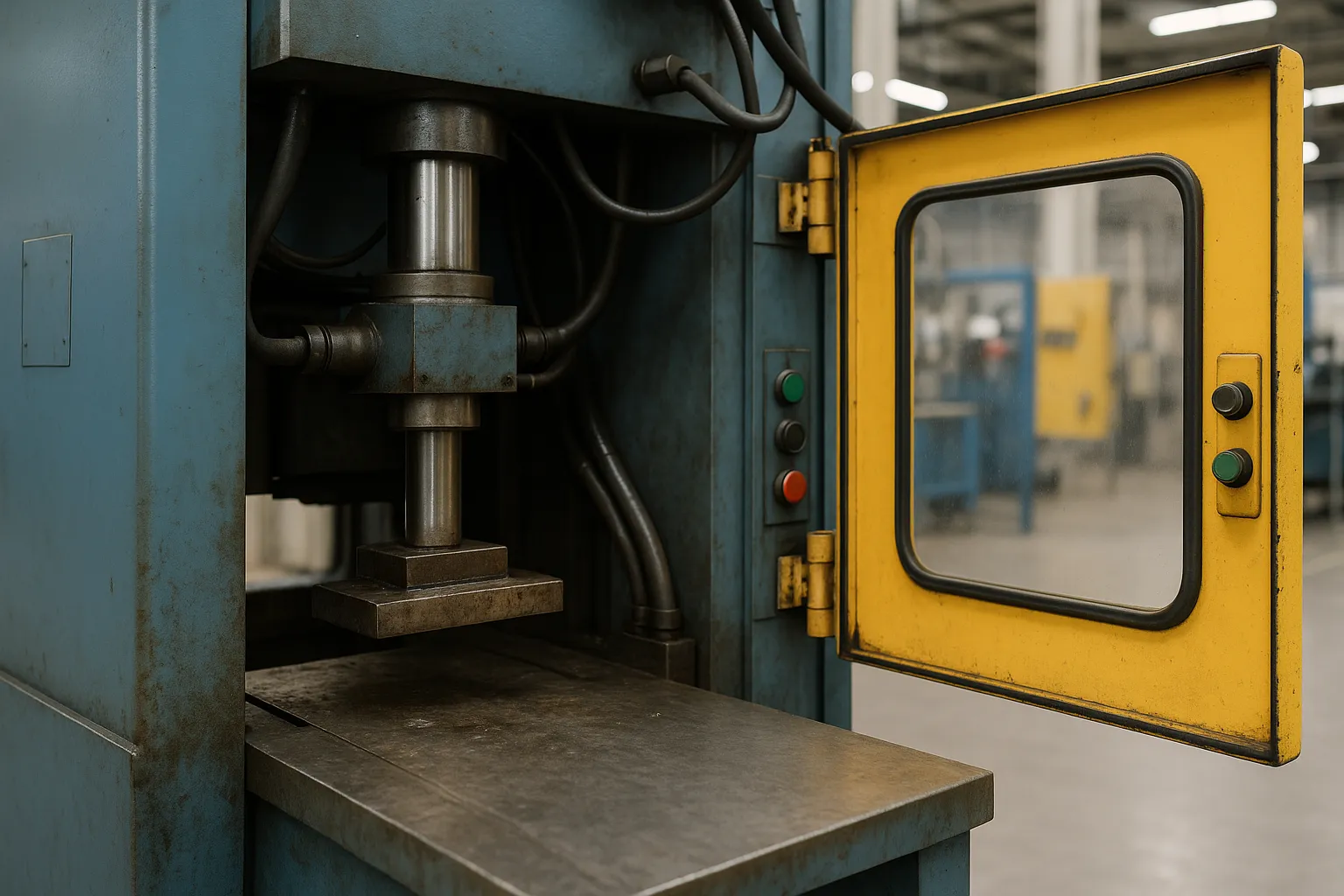
The HSE’s inquiry revealed that the worker had manually elevated the hydraulic ram to allow access for cleaning. However, as he attempted to withdraw his arm, the door unexpectedly closed and activated the hydraulic system, which led to his arm being entrapped. Following the incident, the worker spent ten days in hospital and underwent subsequent physiotherapy. Though he has regained some movement in his thumb, he continues to experience diminished sensation and mobility in his fingers.
The HSE’s investigation concluded that the company did not implement adequate safety measures to protect employees engaged in cleaning tasks involving machinery. Furthermore, it was found that staff had not received sufficient information on safe cleaning procedures. Training was deemed inadequate, and supervision levels were not up to standard.
Emma Preston, an inspector with the HSE, commented, “Machinery accidents during maintenance and cleaning are all too common, often with serious consequences. Workers should ensure that machinery is properly isolated from all sources of power so that it cannot restart during the task. Incidents like this can and should be prevented by following robust lock-off procedures.”
This incident underscores a growing concern within the manufacturing sector regarding the adherence to safety protocols during maintenance activities. With machinery accidents frequently resulting in severe injuries, it is vital that employers prioritize the establishment of rigorous safety practices.
In related developments, the HSE remains vigilant in monitoring workplace safety standards across various industries in the UK. Recent penalties imposed on companies for safety breaches reflect a persistent commitment to reducing workplace injuries. For instance, other notable cases have involved substantial fines levied against organisations following serious accidents.
Local residents in Swindon have expressed concerns regarding workplace safety following this incident, highlighting the need for improved safety protocols across the manufacturing sector. Some community members have voiced their hope that this case will serve as a wake-up call for companies to reassess and strengthen their safety measures.
The issues surrounding workplace safety extend beyond Tyco Electronics UK Limited, raising questions about the wider implications for employee welfare in the manufacturing industry. Advocacy groups are increasingly calling for stronger regulations and more rigorous enforcement of existing health and safety laws to protect workers from preventable accidents.
As investigations continue and as Tyco Electronics UK Limited addresses the findings from the HSE, the focus remains on preventing future incidents that could lead to serious injuries. Experts suggest that companies may benefit from a comprehensive review of their safety procedures, along with enhanced training programmes for employees, to mitigate risks associated with machinery operations.
For those involved in the manufacturing industry and other related sectors, the incident serves as a critical reminder of the importance of prioritising health and safety at work. Legislative bodies and the HSE are expected to continue their oversight in ensuring that all organisations maintain a commitment to safe working environments.
The case has resonated within the community, prompting discussions among local businesses on how they manage health and safety standards. Employers are urged to take proactive measures to protect their workforce and to foster a culture of safety that permeates all aspects of their operations.
As the consequences of the incident at Tyco Electronics UK Limited unfold, the priority remains clear: ensuring that workers return home safely each day. Enhanced safety measures, improved training, and unwavering commitment to health protocols will be essential as the industry moves forward in the wake of this incident. The hope is that, moving ahead, fewer workers will have to endure the kinds of injuries experienced by the victim in this unfortunate case.
Our Thoughts
The incident at Tyco Electronics UK Limited highlights significant failures in health and safety practices. To prevent such accidents, the company should have implemented effective lock-off procedures to ensure machinery was properly isolated from all power sources during maintenance and cleaning activities. This aligns with the Provision and Use of Work Equipment Regulations 1998 (PUWER) and the Management of Health and Safety at Work Regulations 1999, which mandate that risks associated with machinery must be assessed, and measures put in place to protect employees.
Moreover, providing comprehensive training and clear information on cleaning procedures is essential. The lack of sufficient supervision and inadequate training were identified as contributing factors to the incident. The Health and Safety at Work Act 1974 requires employers to ensure the health and safety of employees, which includes adequate training in safe working practices.
The key safety lessons include the importance of robust risk assessment, proper training, and effective supervision to safeguard employees during maintenance operations. Organizations should also establish a culture of safety that prioritizes the well-being of workers to prevent similar incidents in the future.