















Story Highlight
– Company fined £425,000 after employee’s workplace death.
– Supervisor Peter Hutchinson fell 5ft, struck head.
– Bertschi failed to assess loading operation risks.
– Investigation revealed unsafe use of mobile loading ramps.
– Death deemed “entirely preventable” by Health and Safety Executive.
Full Story
A logistics firm has been fined £425,000 following a tragic workplace incident that resulted in the death of an employee. Peter Hutchinson, a 60-year-old warehouse supervisor, suffered fatal injuries after falling approximately 5 feet from a mobile loading ramp while working at Bertschi’s site in South Bank, Middlesbrough, on 4 November 2021.
During a recent hearing at Teesside Crown Court, Bertschi UK Limited was convicted of violating health and safety regulations and was penalised with the substantial fine, alongside an order to cover costs amounting to £119,258. The case highlights serious shortcomings in the company’s adherence to safety protocols designed to protect workers.
Hutchinson’s family continues to grapple with their immense loss. His wife, Karen Hutchinson, expressed the profound impact of his passing. “To explain my feelings of loss is to try and explain the unthinkable – there are just simply no words,” she stated. “Peter was my husband and very best friend, he was my always and forever and he is my forever always.” The family’s sentiment resonates deeply, encapsulating the void left by a beloved figure known to many as a dedicated family man, uncle, and friend.
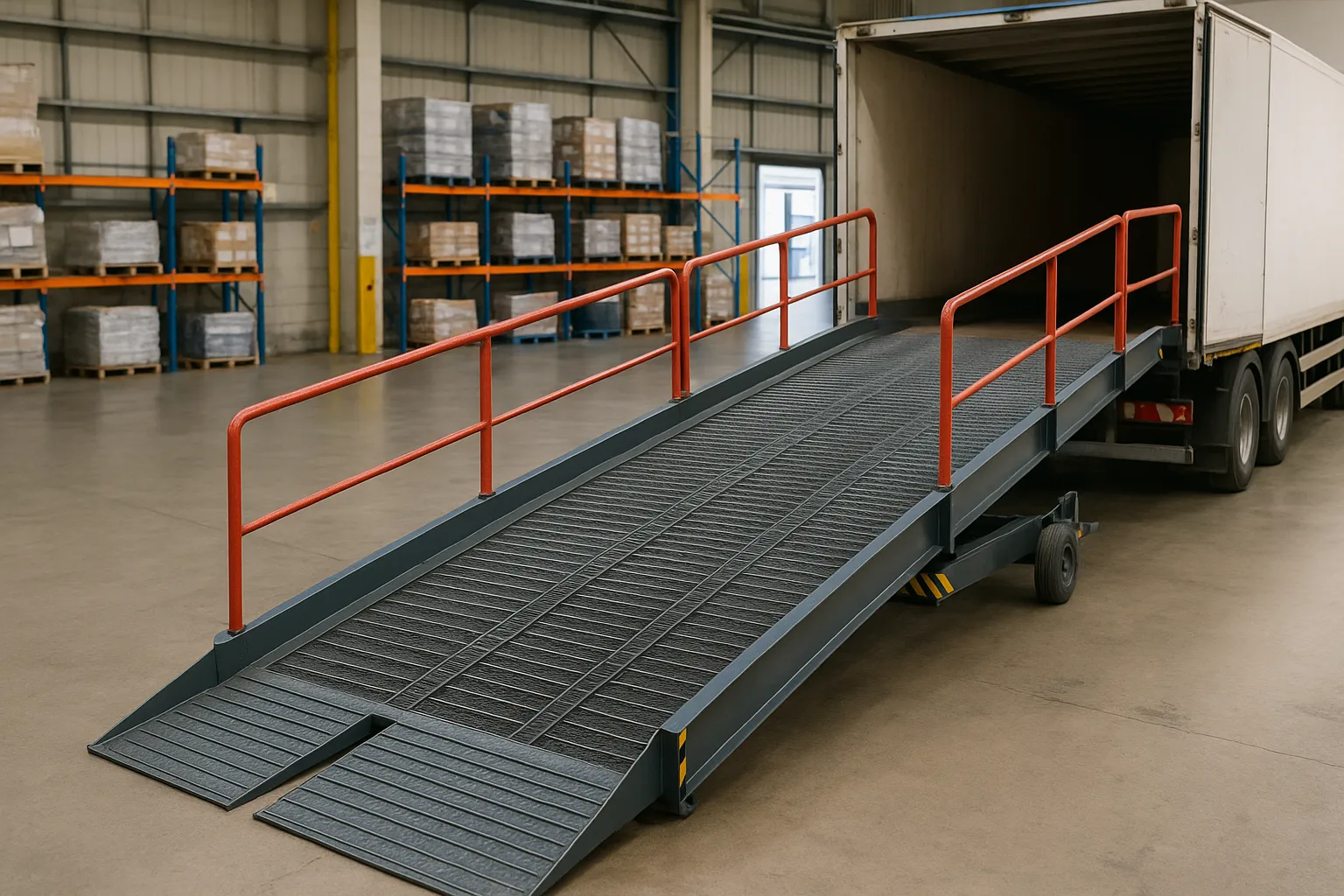
An investigation by the Health and Safety Executive (HSE) revealed that the firm had neglected to carry out a proper risk assessment relating to loading operations. Crucially, the inquiry determined that Bertschi had failed to adequately assess and manage the risks associated with the use of mobile loading ramps by pedestrians. This oversight was notable, particularly as the ramp’s manufacturer had expressly cautioned against pedestrian use without the installation of handrails.
Despite denying charges related to three breaches of health and safety duties—including ensuring the safety of employees and safeguarding those working at height—the jury found the company guilty on all counts. HSE inspector Cain Mitchell commented on the preventability of Hutchinson’s death, stating, “Employers should carefully assess work at height activities and always consider whether the task can be carried out without exposing workers to fall risks.” He further emphasised the importance of identifying and managing new risks associated with changes to established working practices.
The incident casts a spotlight on the broader implications of workplace safety regulations within the logistics sector, raising questions about how organisations assess risk and implement safety measures. Experts in occupational safety contend that maintaining stringent safety standards is not only a legal obligation but also a moral responsibility.
The tragic events underscore a recurrent issue within various industries where the rush to complete tasks and operational pressure can lead to oversight in crucial safety practices. Workplace safety is a collective responsibility, and the consequences of neglect can be dire, as illustrated by this unfortunate incident.
In light of this case, stakeholders involved in workplace safety are reminded of the need for diligence and vigilance in ensuring protective measures are not just theoretical, but practised consistently. “This prosecution should remind dutyholders that HSE will not hesitate to take enforcement action when workers are unnecessarily placed at risk,” Mitchell added.
The case has sparked a renewed discussion about the importance of proper training for employees, especially those working at heights. Experts suggest that regular safety drills, clear communication of risks, and comprehensive training programmes are essential in equipping workers with the necessary skills to identify hazards and react appropriately.
While the legal ramifications for Bertschi UK Limited have been enacted, the emotional toll on Hutchinson’s family and colleagues is immeasurable. The impact of workplace tragedies extends far beyond financial penalties, affecting the lives of workers, their families, and the broader community.
Additionally, community support mechanisms may play a vital role in helping families cope with the aftermath of such losses. Access to counselling services and community outreach programmes could provide essential support for those grieving and adjusting to the sudden absence of loved ones.
In conclusion, the fine imposed on Bertschi UK Limited serves as both a warning and a reminder of the critical importance of health and safety practices within the workplace. As industries continue to evolve and adapt, they must prioritise the well-being of their employees by fostering a culture of safety that not only meets regulatory requirements but also protects lives.
The Health and Safety Executive remains committed to enforcing standards and will undoubtedly continue to monitor compliance across various sectors. By holding companies accountable and pushing for improved safety measures, agencies aim to reduce workplace fatalities and ensure that no family has to endure the loss experienced by the Hutchinson family.
Our Thoughts
The tragic incident involving Peter Hutchinson highlights critical failures in health and safety practices that could have been avoided. The logistics company Bertschi failed to conduct a thorough risk assessment regarding the loading operations and did not implement necessary precautions for pedestrian use of mobile loading ramps, notably the absence of handrails, despite the manufacturer’s warnings.
Key safety lessons include the importance of robust risk assessments, especially when altering established procedures that involve working at height, as per the Health and Safety at Work Act 1974. The lack of adequate measures to prevent falls breached regulations such as the Work at Height Regulations 2005, which mandate that employers ensure the safety of employees working at height and control risks effectively.
To prevent similar incidents in the future, companies must prioritize employee safety by implementing strict adherence to safety regulations, conducting regular training, and routinely re-evaluating risk assessments. Employers should also foster a culture of safety where workers feel empowered to report unsafe conditions without fear of repercussion.