














Story Highlight
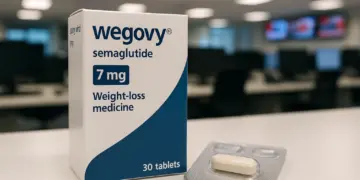
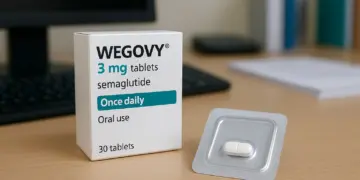
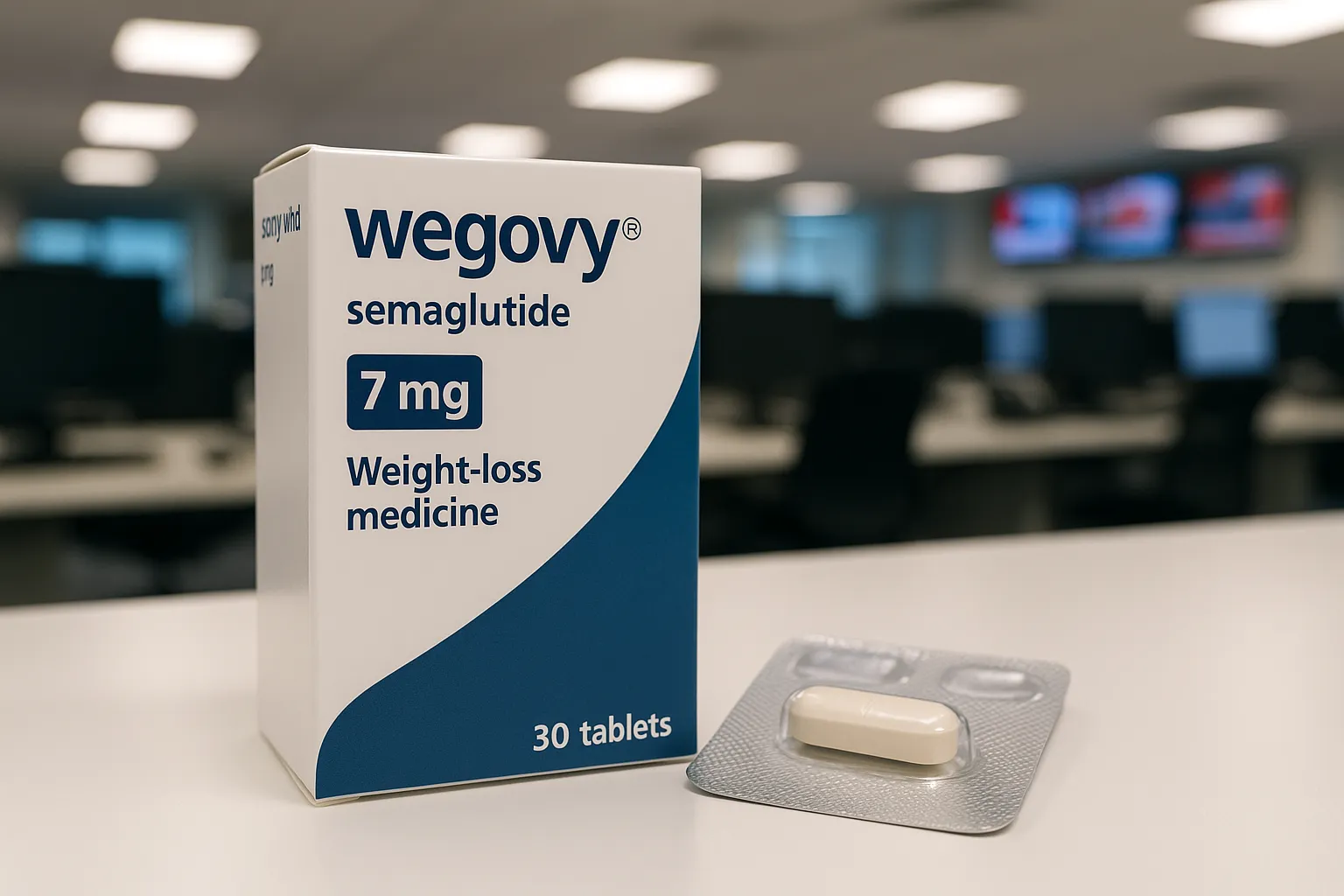
– Wegovy weight-loss pill now available privately in the UK.
– Contains semaglutide, same as Wegovy injections.
– Consult a clinician before switching from injection.
– Take pill every morning on empty stomach.
– No need to restart when switching to the pill.
Full Story
Medical professionals in the UK have provided essential guidance for individuals considering the recently launched Wegovy weight-loss tablet. This new treatment option is currently accessible through private purchases at local pharmacies and online retailers. Wegovy’s formulation includes semaglutide, the active substance also found in its injectable counterpart, functioning by reducing appetite and delaying the digestion process. Although this tablet has received approval from the Medicines and Healthcare products Regulatory Agency (MHRA) for use, it is important to note that it is not yet offered through the National Health Service (NHS).
Representatives from CheqUp, a treatment provider, recommend that anyone thinking of transitioning from the injectable form to the pill should first seek advice from a qualified health professional. Lisa Tookey, the CEO of CheqUp, expressed caution regarding the potential misuse of Wegovy as a means to achieve rapid weight loss. She emphasised the significance of managing expectations, asserting that “this isn’t a quick fix,” and highlighted that sustainable long-term outcomes necessitate a combination of medication, lifestyle adjustments, and adequate support. Tookey pointed out that the initial months, often termed the titration period, are crucial for acclimatising the body to the medication while adhering to the proper dosage schedule and Addressing any side effects, all the while fostering healthy habits.
Tookey elaborated on the importance of cautious medication management, stressing that “the biggest risks come from rushing dose increases, frequently stopping and starting or using medication without proper clinical oversight.” She reiterated that consistency is paramount when dealing with prescription medications, stating that “it works best as part of a structured health plan with ongoing check-ins, so people stay within a clear clinical safety protocol and get results they can maintain.”
For those who are shifting from the injection to the tablet format, there is reassurance that the effectiveness of treatment remains intact. Superintendent pharmacist Aaron Arman affirmed that “the Wegovy pill contains semaglutide, the same molecule as the Wegovy injection.” He noted that, despite being the same medication, the tablet method introduces distinct clinical considerations and requirements.
Arman emphasised a pivotal difference in the administration of the tablet, underscoring the necessity of taking it first thing every morning on an empty stomach, accompanied by up to 120ml of plain water. He stated, “This is the single most important practical difference,” and added that individuals must wait for 30 minutes before consuming food, drinking anything other than water, or taking other medications. He advised prospective users to evaluate their morning routines carefully prior to making the switch.
In terms of dosage management during the transition, users do not have to restart their regimen from scratch. Arman explained that a structured clinical pathway exists to determine the appropriate starting dosage for those moving to the Wegovy pill. He assured that clinicians will assess the individual’s current medication dosage and treatment history to calculate the corresponding starting dose for the tablet format. While a period of adjustment will still be necessary as the body adapts to the new absorption method, this does not equate to initiating the treatment anew.
As this new treatment option becomes available, there may be broader implications for obesity management in the UK. With rising levels of obesity and related health conditions, initiatives such as Wegovy could represent a significant advance in therapeutic options. However, the thresholds for effective treatment remain firmly rooted in comprehensive health strategies, including dietary changes and regular exercise, alongside medical interventions.
The introduction of Wegovy as a tablet aligns with ongoing shifts in obesity treatment approaches. Healthcare providers and specialists are increasingly recognising the necessity of multifaceted strategies that encompass medication, behavioural therapy, and community support. As experts analyse the impact of such medications on public health, they are also likely to explore the potential socio-economic factors affecting obesity rates across different demographics.
The emergence of Wegovy underscores the importance of informed decision-making for individuals embarking on weight loss journeys. With a combination of clinical insight and practical advice, medical professionals are hopeful that those seeking to manage their weight can do so safely and effectively. The focus remains on fostering a public understanding of healthy weight management practices, ensuring that individuals have the tools and knowledge needed for sustainable weight loss and improved overall wellness.
As the conversation around weight management continues to evolve, it will be crucial for prospective users of Wegovy to stay abreast of developments in research, treatment guidelines, and support systems that can aid their journey. As such, ongoing dialogues between clinicians and patients will be fundamental for maximising the benefits of this new medication while mitigating any associated risks.
Our Thoughts
The article highlights the importance of clinical supervision when transitioning from Wegovy injections to the newly available pills containing semaglutide. To avoid potential misuse or adverse effects, it is critical that patients adhere to prescribed dosages and protocols. One key safety lesson is the necessity of patient education around the importance of not rushing dose increases, as this could lead to serious health risks.
Relevant regulations potentially breached include aspects of the Health and Safety at Work Act 1974 and the Misuse of Drugs Act 1971, as unsupervised use or incorrect adherence to medication guidelines can endanger patients’ health. The need for a structured health plan aligns with the Management of Health and Safety at Work Regulations 1999, emphasizing risk assessments and ongoing monitoring for safe medication use.
To prevent similar incidents, emphasis should be placed on mandatory consultations with a clinician before switching medications, ensuring that patients are well-informed about the medication’s administration requirements. Continuous support and structured follow-up can further enhance safety and efficacy in medication management.