
















Story Highlight
– Two more farming fatalities increase April’s death toll to four.
– Woman died from a falling bale in Leicestershire.
– Man trapped under fertiliser spreader in Shropshire incident.
– Agriculture remains UK’s most dangerous industry for fatalities.
– Industry leaders urge prioritization of farm safety measures.
Full Story
April 2026 has witnessed a concerning rise in fatalities within the farming industry, with the total number of deaths reaching four. This troubling statistic underscores longstanding worries regarding safety standards and the prevalent risks within the agricultural sector.
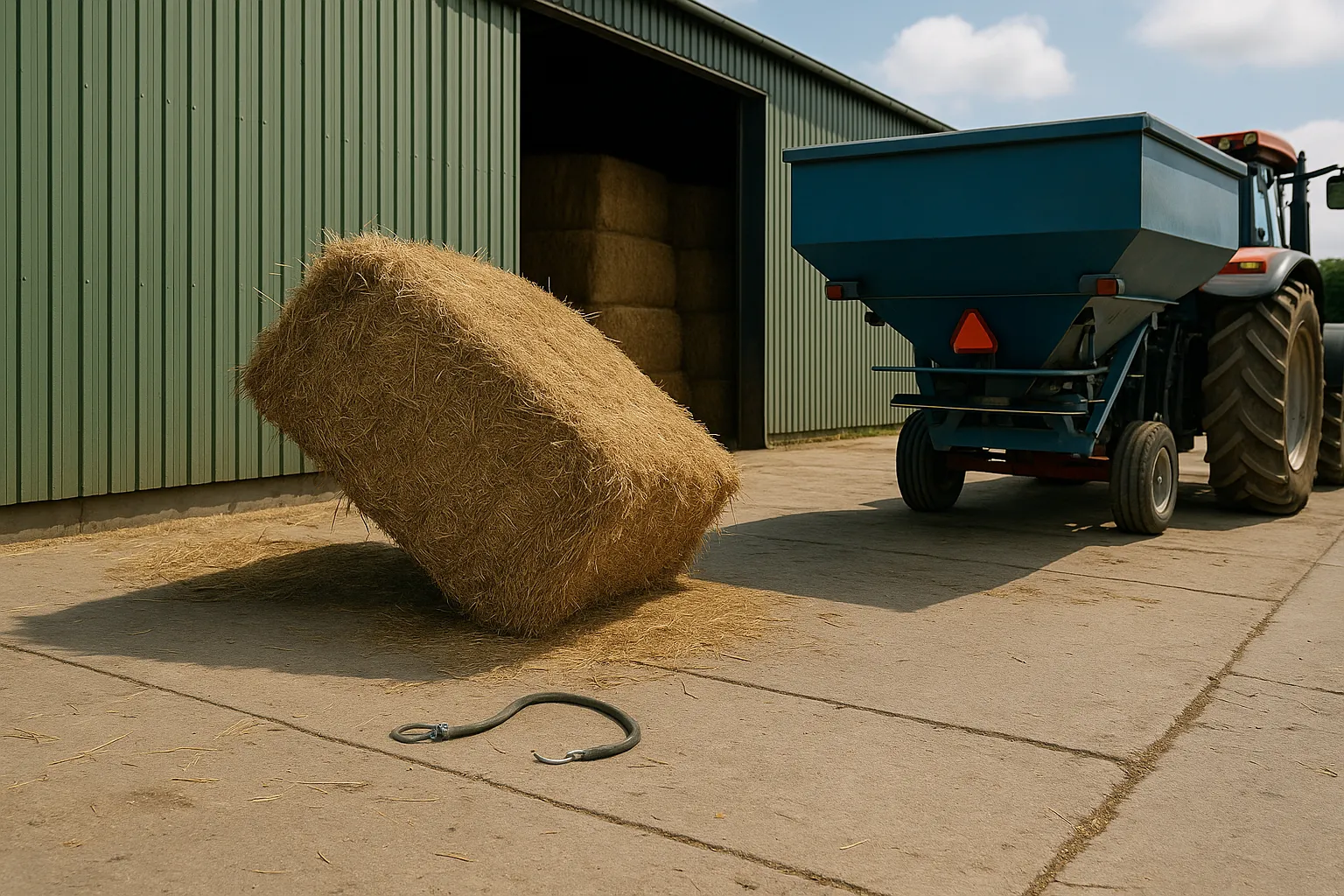
The latest incident occurred on 17 April in Charnwood, Leicestershire, when a female member of the public was fatally injured by a falling bale and subsequently died in hospital. This tragic event followed an earlier accident on 12 April in Shifnal, Shropshire, where a man lost his life after becoming trapped under a fertiliser spreader on a working farm.
The Health and Safety Executive (HSE) highlights that incidents involving heavy machinery and the movement of loads rank among the primary causes of serious injuries and fatalities on farms. The high-risk nature of farming environments, coupled with the pressures of tight schedules, often culminates in increased likelihood of accidents in this field.
Although agriculture comprises only about 1% of the UK’s workforce, it remains disproportionately hazardous, consistently leading in workplace fatalities. The sector’s statistics indicate it is the most perilous industry for workers, raising alarm among safety advocates and industry professionals.
Jill Hewitt, the chief executive of the National Association of Agricultural Contractors, expressed the urgent need for change, stating that the industry must confront the emotional weight of these incidents instead of becoming desensitised. “People need to be angry, upset and motivated to ensure this does not happen. Everyone has a role to play in improving our industry’s poor safety record – we cannot become immune to it,” remarked Ms Hewitt, who also serves as a member of the Farm Safety Partnership (Yellow Wellies).
The call to action by Ms Hewitt comes at a critical time as fatalities related to farming have attracted intense scrutiny. Unofficial data suggests that over 30 lives were claimed due to farming-related incidents in Great Britain during the 2025-26 financial year. This upsurge has prompted industry leaders to reiterate their calls for enhanced safety measures across all farming operations.
Farming experts and safety advocates are urgently pushing for farmers, contractors, and other stakeholders to adopt a more proactive approach toward safety, emphasizing the need for practical measures to mitigate risks. This includes better training, improved machinery maintenance, and more rigorous adherence to safety protocols.
The farming community shows signs of an increasing awareness of these issues, yet challenges remain. Reports indicate that the combination of long working hours, physical demands, and isolation can exacerbate safety risks. There is a growing recognition that stress and fatigue play significant roles in contributing to accidents on farms, necessitating further investigation and intervention.
In response to these alarming trends, various organisations and government bodies are examining the underlying causes of agricultural fatalities and are exploring comprehensive strategies to enhance safety protocols within the sector. The emphasis on health and well-being is pivotal, as mental and physical stresses can significantly impact decision-making and safety practices on farms.
Moreover, there is a push for stronger collaboration between governmental bodies, agricultural businesses, and safety organisations to foster a culture of safety within the industry. Initiatives aimed at training and educating farmers about risk management and safety practices could be vital in reducing the number of accidents and fatalities.
Local perspectives further highlight the emotional aftermath of such tragedies. Communities mourn the loss of lives while grappling with the implications for their local agricultural operations. The ripple effect of farming fatalities extends beyond the immediate victims; it affects families, friends, colleagues, and the broader community reliant on the agricultural sector.
In light of these incidents, discussions around work-life balance for farmers and their employees are becoming increasingly prominent. Advocates argue that addressing work-related stress and promoting mental health awareness could lead to improved safety outcomes, ultimately saving lives in what remains a demanding and high-stakes profession.
As the agricultural community navigates these challenges, ongoing dialogue about safety measures and regulations will be crucial. Industry stakeholders are called upon to engage with legislative processes, ensuring that safety remains a priority, not merely an afterthought in the face of tragedy.
The unequivocal message from experts and advocates is clear: prevention is paramount. In a sector where the stakes are high, a collective commitment to prioritising safety could pave the way for a more secure working environment, ultimately reducing the toll that farming fatalities extract on lives and communities.
As the month progresses, the hope is that these tragic incidents will catalyse meaningful changes within the agricultural industry, fostering an environment where safety is embedded in every operation. The priority now is to channel the shock and grief into concrete actions that will protect lives and facilitate a safer future for all those involved in agriculture.
Our Thoughts
To prevent the tragedies reported in April 2026, several key safety measures should have been implemented. The incidents highlight failures in adhering to UK health and safety regulations, particularly the Health and Safety at Work Act 1974, which mandates employers to ensure the health and safety of employees and the public.
1. **Risk Assessment**: Proper risk assessments assessing hazards associated with heavy machinery and moving loads should have been conducted to identify necessary control measures.
2. **Training and Supervision**: Enhanced training programs focusing on the safe operation of machinery and the lifting/storage of heavy objects like bales could have prevented the fatality from the falling bale. Consistent supervision is essential to enforce safety practices.
3. **Equipment Maintenance**: Regular checks and maintenance of farming equipment, such as fertiliser spreaders, would mitigate risks of mechanical failure.
4. **Safety Culture**: Encouraging a safety-first culture on farms, including reporting near misses and promoting open discussions about safety, could lead to greater vigilance and reduce desensitisation to hazards.
5. **Regulatory Compliance**: The incidents suggest possible breaches of the Management of Health and Safety at Work Regulations 1999 regarding the failure to implement adequate safety measures.
Lessons include the necessity for continuous training, strict adherence to safety protocols, and fostering a culture that prioritises health and safety to prevent such occurrences in the future.