













Story Highlight
– Tony Brewer woke to thick smoke in hotel room.
– Hotel fire alarm was disabled after false alarms.
– Brewer suffered smoke inhalation; asthma worsened significantly.
– TUI arranged compensation and alternative accommodation for guests.
– Brewer advocates for travelers’ rights and safety awareness.
Full Story
A holiday in Cyprus turned into a nightmare for Tony Brewer, a 52-year-old from Great Yarmouth, who found himself surrounded by thick smoke during his stay at the Leonardo Laura Beach and Splash Resort in September 2022. This alarming incident arose from a fire that ignited in the hotel’s plant room. Mr Brewer, along with his partner Emma, experienced a series of safety failures at the resort that left them endangered and has prompted him to advocate for greater awareness of travellers’ rights in such scenarios.
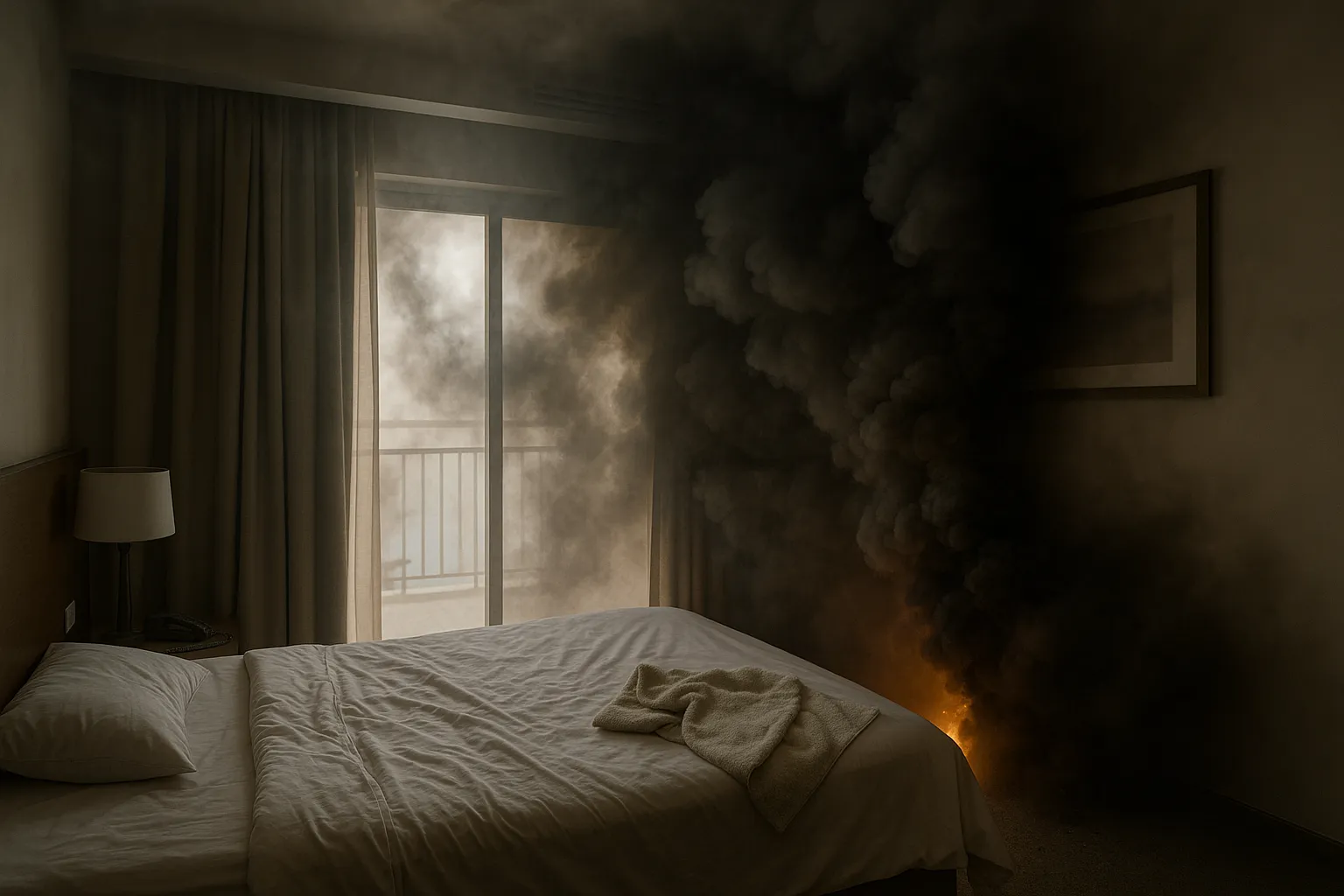
The couple was enjoying their trip, having booked through the travel company TUI, when complications arose due to a critical problem with the fire alarm system. The device had been turned off after two false alarms occurred the previous evening, leaving guests at risk in the event of an actual fire. When Mr Brewer awoke to find his room filled with heavy smoke, he was immediately thrust into a life-threatening situation.
“I woke to find the room engulfed with thick, acrid smoke and when attempting to escape, I didn’t know what I was going to find and I was scared it was going to be an inferno outside,” Mr Brewer recounted. The smoke had permeated his bedroom following the failure of the hotel’s ventilation and air conditioning systems to turn off, which should have happened automatically. Instead, these systems continued to pump noxious vapours from the fire directly into their living space.
Once in the corridor, the situation grew even more dire. “The corridor was full of smoke, even worse than the room, so I went back in to get a wet towel to cover my head for protection. I tried to stay as low as possible under the smoke.” He described the noxious odour that engulfed him as leaving his throat feeling “rough and raw.”
Post-incident, Mr Brewer required medical assistance for smoke inhalation and revealed that the trauma had exacerbated his previously well-controlled asthma condition. He now finds himself dependent on steroids and struggles with physical activities, which has disrupted his daily life significantly.
Following the harrowing experience, Mr Brewer engaged with legal experts at Slater and Gordon, who successfully secured a compensation settlement for the couple from TUI. When contacted for comment, a spokesperson for the travel company expressed regret over the distress caused to guests affected by the onboard fire, stating that TUI staff had worked diligently with local authorities to provide support and alternative accommodations during the necessary safety evaluations.
While the ordeal of Mr Brewer and his partner ended with them returning to the UK, the lingering effects of the incident have led him to become a vocal supporter of a travel safety initiative spearheaded by Slater and Gordon. This campaign aims to enlighten holidaymakers regarding their rights under UK package holiday regulations, particularly emphasizing the ability to pursue claims domestically if the safety standards at foreign establishments fall short.
“You work hard to go on holiday and I couldn’t relax,” Mr Brewer remarked, highlighting the psychological burden that the incident brought upon them. He stressed the importance of awareness, stating, “It’s important people know they’re not on their own and they don’t have to just accept what happens to them,” encouraging others to be vigilant about their safety while travelling.
The disturbing incident at the Leonardo Laura Beach and Splash Resort has raised significant questions about hotel safety protocols and the responsibilities of travel companies. Experts in travel law and safety have pointed out that while incidents do occur, ensuring the safety of guests should always be a top priority, and firms must implement fail-safe procedures to protect holidaymakers from preventable dangers.
The implications of this event could influence future regulations concerning fire safety in hotels, as well as the frameworks that govern package holidays. Advocacy for higher standards in health and safety within the tourism sector is critical, ensuring that all holidaymakers can enjoy their trips with peace of mind.
As awareness grows regarding such issues, the collective voice of affected individuals, like Mr Brewer, may pave the way for vital changes within travel industries. The hope is that these experiences will serve as stark reminders for hotel operators and tour companies, reinforcing the need for robust safety measures and accountability in safeguarding the wellbeing of their guests.
In conclusion, the events that unfolded in Cyprus have not only altered the trajectory of Mr Brewer’s health but have sparked a movement aimed at ensuring that others do not endure similar traumas on their holidays. By sharing his experience, Mr Brewer is championing a cause that resonates deeply with many, serving as both a warning and a valuable lesson in the importance of holiday safety.
Our Thoughts
The incident involving Tony Brewer showcases critical safety failures that could have been avoided through better adherence to UK health and safety legislation, specifically the Regulatory Reform (Fire Safety) Order 2005. Key lessons include the imperative of maintaining functional fire alarm systems. The decision to deactivate alarms following false alarms is contrary to best practices that mandate regular, operational safety systems to ensure personnel safety. The hotel’s failure to ensure that the fire alarm was operational directly contributed to the danger posed to guests.
Moreover, the management should have ensured that the hotel’s ventilation system was capable of responding appropriately to fire scenarios by shutting down in the presence of smoke or excessive heat, in alignment with health and safety guidelines for fire safety requirements.
To prevent similar incidents, hotels must implement strict protocols for fire alarms, including regular testing, management training on emergency procedures, and ensuring that systems are not turned off without thorough risk assessments. Additionally, staff must be trained to operate and address systems with the support of safety professionals to comply with safety regulations effectively. Such measures would mitigate risks of smoke inhalation and ensure guest safety during emergencies.